What is love? - Ad Analysis

AI Editor notes
Straight from the gut!!
“This thing is a dagger to the heart. Brutal and effective. For 25 seconds you're smiling at this cute kid, and then they hit you with that tinny, dead-eyed teddy bear voice and it all just curdles. It's a clever, almost cruel, piece of emotional manipulation for a good cause. It makes its point without ambiguity: stop throwing toys at the problem and start thinking about real human solutions.”
Quick Summary
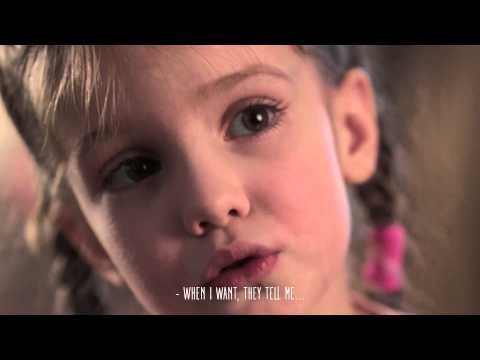
This ad works by setting an emotional trap. It uses the innocent charm of a child describing love to make the audience feel warm and sentimental, then viciously pulls the rug out by revealing her source of 'love' is a mechanical toy. This gut-punch forces a re-evaluation of charitable giving, powerfully arguing that orphans need genuine human connection, not just material objects.
Executive Summary
This campaign from Russian non-profit Aistenok is a sharp, effective piece of communication that uses a classic narrative structure—Setup, Turn, and Payoff—to deliver a difficult message with immense clarity. It operates on a simple, raw insight but executes it with a cleverness that elevates it far beyond the typical charity appeal.
The Core Insight: The simple human truth at the heart of this ad is that love cannot be manufactured or replaced with material objects. For a child, especially one without parents, the need for genuine human affection, presence, and spoken words of affirmation is a fundamental need. A toy, no matter how advanced, is a hollow substitute for a parent. The campaign targets the well-intentioned but perhaps superficial donor who believes sending a teddy bear is a sufficient act of kindness, forcing them to confront a more complex and uncomfortable reality.
The Execution: The ad’s power lies in its structure. The Setup (0:00-0:24) is a masterclass in building emotional buy-in. Using a documentary-style, tightly framed interview, it presents a universally appealing subject: an innocent, articulate child. Her sweet, unscripted-sounding answers about what love is create a feeling of warmth and tenderness. The soft lighting and gentle piano music lull the viewer into a state of sentimental comfort. We believe we are watching a heartwarming clip about childhood innocence. The Turn (0:25) is both abrupt and devastating. The reveal that the source of the phrase “I love you” is not a mother or father but the tinny, mechanical voice of a teddy bear is a complete betrayal of the viewer's expectations. The immediate cut of the music amplifies the shock, replacing human warmth with cold artifice. This single moment is the entire engine of the ad. The Payoff (0:29-0:38) is the logical and moral conclusion delivered via on-screen text: “Helping orphans is not a toy.” The line doesn’t just state the message; it reframes the entire ad. The charming girl is no longer just a cute kid; she is a stand-in for all orphans receiving inadequate, impersonal 'love'. The final call to action, “Learn how to help,” alongside the organization’s URL, provides the necessary release valve for the discomfort the ad has created.
The Debrief: The key lesson from this ad is the power of subverting expectations. The creative team understood that a straightforward, preachy message would be ignored. Instead, they weaponized sentimentality, using it as bait before delivering the hard-hitting point. It demonstrates that for a non-profit with a limited budget, a single, powerful creative idea can be far more effective than a massive media spend. The ad forces an uncomfortable but necessary conversation about the nature of charity and what it truly means to help a child in need.
Theme Keywords
Brand Position
The provider of genuine, meaningful support that goes beyond superficial material donations for children in need.
Brand Archetype
Caregiver
Creative Game Plan
Expose the emotional hollowness of superficial charity by contrasting a child's pure definition of love with the mechanical affection of a toy.
Diagnosis: Issues & Solutions
Primary Issue: Clarity of "What's Next?"
The Problem:
The primary missed opportunity is the vagueness of the call to action. 'Learn how to help' is emotionally correct but strategically soft. After creating such a powerful emotional response, the ad doesn't immediately channel that energy into a specific, tangible action (e.g., 'Sponsor a caregiver's time,' 'Fund a family support visit').
The Solution:
Make the call to action more specific. Instead of a general URL, consider a more direct ask in the final super that connects to the ad's theme, such as 'Give them a voice, not a toy' or 'Provide real support,' which could then lead to a dedicated landing page about sponsoring caregiver time or family services.
Secondary Issue: Emotional Connection
The Problem:
The emotional shock, while effective, risks being so jarring that a segment of the audience might disengage out of discomfort before processing the solution. The ad is brilliant at creating the problem but spends very little time resolving the emotional tension it creates.
The Solution:
A slightly longer end card sequence could help. After the URL appears, a final, brief shot of a child genuinely interacting with an adult caregiver could offer a glimmer of hope and visualize the positive alternative, transitioning the viewer's emotion from pity to hopefulness and making the 'ask' feel more constructive.
Additional Notes
Related Links
Credits
Share this Analysis
More Aistenok ad breakdowns
- Sharing Space - Episode 1: Daniel Radcliffe | TrailerThe Trevor Project
- Violence marks forever - Join David Beckham and end violence against childrenUNICEF
- It's Time to Rise with Girl UpGirl Up
- Burns and Smiles - Awareness Campaign 2018 - Cinema - #SeeDifferent the burns victimsBurns and Smiles
- Goodwill: BikeGoodwill
- Brain Scan PSA for Alzheimer Society of B.C.Alzheimer Society of British Columbia
- Pro Audito Ruf Lanz Donations 50sPro Audito Bern
- #WriteTheWrongTheirworld