Goodwill: Bike - Ad Analysis

AI Editor notes
Straight from the gut!!
“This is solid, classic, heartwarming stuff. It's safe, but effective. The lifecycle of the bike is a clever, simple narrative device that everyone can connect with. It feels a bit like a Hallmark card at times, but it lands the message without being preachy. My only question: does the 'job creation' part feel a little tacked on after such an emotional ride? The story is about the bike's second life, the VO is about the jobs.”
Quick Summary
This ad succeeds by transforming the transactional act of donating old stuff into a meaningful, emotional story about legacy and community. It reframes a simple bicycle not as a discarded object, but as a vessel of joy and opportunity passed from one generation to the next, directly connecting that feeling to Goodwill's job creation mission.
Executive Summary
Goodwill's 'Bike' is a masterclass in narrative efficiency and emotional shorthand. It operates on a simple, universal insight: the objects we outgrow are not just junk; they are containers of memory and potential. The ad forgoes complex explanations or data about job creation and instead invests fully in a story that shows the value of giving something a second life. This approach is designed to build long-term brand affinity, positioning Goodwill not merely as a thrift store, but as a facilitator of community and continuity.
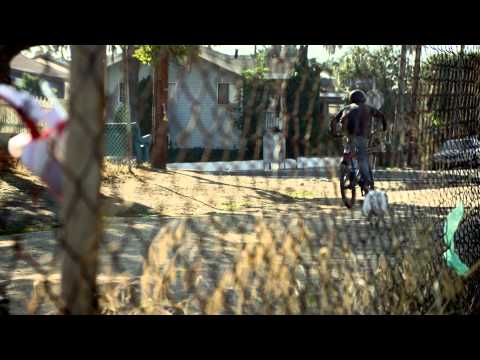
The creative execution follows a classic Setup-Turn-Payoff structure. The Setup (0:00-0:42) is the entire first life of the bike. We see a young boy receive it, ride it with friends, use it for his first job (a paper route), and even for a tentative teenage romance. This montage is incredibly efficient, using visual cues—the boy's age, the addition of a newspaper basket, a bouquet of flowers—to signify the passage of time and the bike's central role in the milestones of growing up. The warm lighting and gentle folk music create a powerful sense of nostalgia. The Turn (0:42) is subtle but pivotal: the adult owner, now older, sees the bike collecting dust in the garage. This is the moment of decision, the point where the object's story could end. Instead, he donates it. The Payoff (0:45-0:59) is twofold. First, we hear the voiceover explaining the functional benefit: donations fund job training. But the more powerful payoff is visual: a new child, with a new father, discovers the very same bike in a Goodwill store, his face lighting up with the same joy we saw in the opening scene. This closes the loop, making the donor an anonymous hero in another family's story.
The debrief for the team that created this would be overwhelmingly positive. The spot proves that for a brand like Goodwill, the 'why' (creating opportunity) is often best communicated by showing the 'what' (the tangible journey of a donated item). The ad doesn't get bogged down in statistics; it trusts the audience to connect the dots between the emotional narrative and the stated mission. It successfully elevates the mundane act of spring cleaning into a profound act of community support, making the tagline 'Donate Stuff. Create Jobs.' feel less like a command and more like the logical, satisfying conclusion to the story we've just witnessed. It's a lesson in prioritizing feeling over facts to drive brand preference.
Theme Keywords
Brand Position
The facilitator of second chances, for both objects and people.
Brand Archetype
Caregiver
Creative Game Plan
Show that donating your old things isn't an end, but a beautiful new beginning for someone else.
Diagnosis: Issues & Solutions
Primary Issue: Strategic Sense
The Problem:
The ad's emotional core is the circular story of the bike bringing joy to two different children. The voiceover, however, pivots to focus entirely on job creation. While job creation is Goodwill's mission, it feels like a strategic justification overlaid onto a more powerful, self-contained emotional story about reuse and giving.
The Solution:
Revise the voiceover to bridge the emotional story and the mission more seamlessly. For example: 'You remember the freedom this bike gave you. When you donate it to Goodwill, you're not just giving it a second life. You're helping someone in your community get the training to start their own journey.' This directly links the bike's story to the concept of enabling new futures.
Additional Notes
Related Links
Credits
Share this Analysis
More Goodwill ad breakdowns
- Adcouncil, Goodwill: Job Training & Employment, New DayGoodwill
- Sharing Space - Episode 1: Daniel Radcliffe | TrailerThe Trevor Project
- Violence marks forever - Join David Beckham and end violence against childrenUNICEF
- It's Time to Rise with Girl UpGirl Up
- Burns and Smiles - Awareness Campaign 2018 - Cinema - #SeeDifferent the burns victimsBurns and Smiles
- Brain Scan PSA for Alzheimer Society of B.C.Alzheimer Society of British Columbia
- Pro Audito Ruf Lanz Donations 50sPro Audito Bern
- What is love?Aistenok