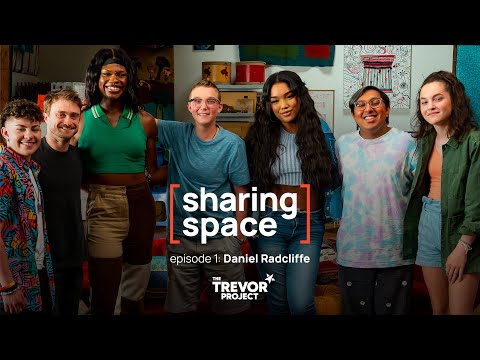
Sharing Space - Episode 1: Daniel Radcliffe | Trailer - Ad Analysis

AI Editor notes
Straight from the gut!!
“This feels right. It's not trying to be clever or slick. Using Radcliffe is a smart, disarming move. He's not the star; he's the facilitator. The focus stays on the kids. My only question: is this preaching to the choir, or can it actually reach the 'curious but uninformed' audience it needs to? The gentleness is its strength, but might also limit its punch in a noisy media landscape.”
Quick Summary
This isn't an ad; it's an invitation. By using a trusted, globally recognized ally in Daniel Radcliffe, The Trevor Project creates a safe space not just for the participants, but for a mainstream audience to listen to trans and nonbinary youth directly, turning a potentially divisive topic into a simple, human conversation.
Executive Summary
The Trevor Project’s trailer for 'Sharing Space' is a quiet but confident piece of brand work that understands its role perfectly. It’s not selling a product; it’s building a bridge. In a cultural moment where the conversation around transgender and nonbinary youth is often loud, aggressive, and conducted by everyone except them, this campaign’s core strategy is to simply change the speaker.
The Core Insight here is that prejudice and misunderstanding thrive in the abstract. It's easy to fear a 'theoretical idea,' as Daniel Radcliffe puts it in the trailer. The most powerful antidote is direct, human connection. By creating a platform for young people to share their own lived experiences, The Trevor Project moves the conversation from a political battleground to a simple, human-to-human exchange. This act of 'turning the microphone' is the central strategic pillar, designed to disarm and educate an audience that may be curious but uninformed.
The Execution uses a Documentary/Educational format that is direct and effective. The structure follows a simple Hook-Value-Proof-Ask model. The Hook is Daniel Radcliffe (0:15); his presence is a signal of safety and legitimacy for a mainstream audience. The Value is immediately established through the articulate and vulnerable soundbites from the young participants (0:01, 0:06). They aren't presented as victims, but as whole people with full identities. The Proof is the dynamic between Radcliffe and the youth. He isn't lecturing; he's listening, modeling the very behavior the campaign hopes to inspire in its audience. His line, 'it might be useful to actually listen to trans kids,' serves as the thesis for the entire project. The Ask is the clear, final title card (0:36) inviting viewers to watch the full premiere, a logical next step for anyone engaged by the trailer. The production is clean, warm, and professional, creating a visual environment that feels as safe as the conversation itself.
The Debrief for the brand team is a lesson in the power of authenticity. For an organization like The Trevor Project, the most potent marketing doesn't feel like marketing at all. It feels like an extension of the mission. This campaign shows that using a celebrity as a facilitator, rather than a spokesperson, is a far more powerful form of allyship. It respects the audience, centers the voices that matter most, and in doing so, builds a deeper, more resilient brand.
Theme Keywords
Brand Position
The leading, most trusted authority and safe space for understanding and supporting LGBTQ+ young people.
Brand Archetype
The Caregiver
Creative Game Plan
Humanize the public conversation about transgender youth by swapping out pundits for people, using a trusted celebrity ally to facilitate and draw in a mainstream audience.
Diagnosis: Issues & Solutions
Primary Issue: Strategic Sense
The Problem:
The campaign's greatest strength—its gentle, sincere tone—could also be a strategic limitation, primarily attracting audiences who are already supportive ('preaching to the choir').
The Solution:
Actively seek media partnerships with platforms or creators outside the typical social advocacy sphere. Placing the content or shorter cuts in unexpected but ideologically aligned places (e.g., a science podcast, a parenting blog) could introduce the conversation to the crucial 'persuadable middle' audience.
Secondary Issue: Clarity of "What's Next?"
The Problem:
The call to action is to watch a longer piece of content, which is a significant time investment. It misses the opportunity to capture the impulse of someone who is moved but not ready to commit to a full episode.
The Solution:
In future iterations, supplement the primary CTA with a lower-lift, educational alternative on the end card, such as, 'Learn 3 ways to be an ally at TheTrevorProject.org/Allyship.' This provides an immediate, actionable step that capitalizes on the emotional momentum of the trailer.
Additional Notes
Related Links
Credits
Share this Analysis
More The Trevor Project ad breakdowns
- Violence marks forever - Join David Beckham and end violence against childrenUNICEF
- It's Time to Rise with Girl UpGirl Up
- Burns and Smiles - Awareness Campaign 2018 - Cinema - #SeeDifferent the burns victimsBurns and Smiles
- Goodwill: BikeGoodwill
- Brain Scan PSA for Alzheimer Society of B.C.Alzheimer Society of British Columbia
- Pro Audito Ruf Lanz Donations 50sPro Audito Bern
- What is love?Aistenok
- #WriteTheWrongTheirworld