Brain Scan PSA for Alzheimer Society of B.C. - Ad Analysis

AI Editor notes
Straight from the gut!!
“This is incredibly smart work. It avoids the clichés of charity advertising—no sad testimonials, no grim hospital rooms. Instead, it focuses on the beauty of what's at stake. Turning a PET scan into a canvas for life's memories is a clever, memorable device. It feels more empowering than depressing, shifting the focus from managing decline to proactively protecting what makes us human. It's a respectful, artful, and powerful piece of communication.”
Quick Summary
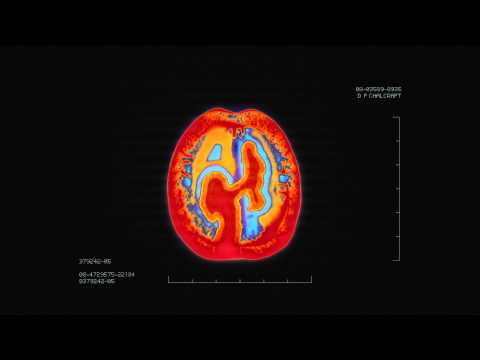
This ad's power lies in a single, brilliant visual metaphor: transforming a cold, clinical brain scan into a warm, animated storybook of a life's most precious memories. It makes the abstract threat of Alzheimer's tangible and deeply personal, reframing the disease not as a medical condition, but as the erasure of a human soul. The final, silent fade to black is a devastatingly effective gut punch that makes the call to action feel urgent and necessary.
Executive Summary
This spot from the Alzheimer Society of British Columbia is a textbook example of how a single, powerful creative idea can transcend the limitations of a small budget and a 30-second runtime. It operates on a simple, yet profound, core insight and executes it with a restraint that amplifies its emotional power.
The Core Insight: The fundamental human truth this ad leverages is that Alzheimer's doesn't just destroy brain cells; it erases the collection of memories that form our identity and our life's story. The disease doesn't just take a person; it takes away their first love, their wedding dance, their experience of parenthood—everything that makes them who they are. This shifts the problem from a clinical diagnosis to a deeply personal tragedy of identity loss.
The Execution: The ad follows a classic Setup-Turn-Payoff structure. The Setup is the opening shot: a clinical, cold, and impersonal brain scan. The technical data in the corners and the grainy, low-fi aesthetic establish a medical context. The somber piano music creates a mood of serious reflection. This primes the audience to expect a typical, perhaps dry, medical PSA. The Turn is the moment the scan begins to animate. This is the ad's central creative conceit. Instead of gray matter and electrical impulses, we see a life unfolding in warm, glowing silhouettes. We witness universal moments: childhood, love, family, and companionship in old age. The brain is reframed as a beautiful, living vessel for a human story. This unexpected warmth and humanity create a powerful emotional connection. The Payoff is swift and brutal. The memories flicker, degrade, and dissolve back into the meaningless, abstract shape from the beginning. The life story is gone. The silence that follows is deafening, broken only by the stark, on-screen text: "Protect life's memories." This sequence ensures the audience feels the loss, making the final call to action feel not like a request, but a responsibility.
The Debrief: The key lesson here is the power of a central metaphor. The 'Brain Scan' concept is the entire ad. It requires no dialogue, no actors, and no complex narrative. By contrasting the clinical and the human, the ad creates a potent emotional friction. It proves that for a cause as emotionally charged as Alzheimer's, showing the beauty of what could be lost is far more effective than showing the grim reality of the disease itself. It's an exercise in strategic empathy, and its flawless execution makes it a benchmark for the PSA category.
Theme Keywords
Brand Position
The protector of life's most precious asset: our memories.
Brand Archetype
The Caregiver
Creative Game Plan
Visually represent a lifetime of memories being erased by Alzheimer's by turning a brain scan into an animated storybook.
Diagnosis: Issues & Solutions
Primary Issue: Clarity of "What's Next?"
The Problem:
The call to action—'Support Alzheimer's research'—is emotionally resonant but strategically broad. It doesn't give the donor a tangible sense of what their contribution will achieve, which can sometimes be a barrier for donation.
The Solution:
Make the impact of a donation more concrete. A simple change on the end card, such as 'A $25 donation funds an hour of vital research,' could translate the viewer's emotional response into a more immediate and justifiable action.
Secondary Issue: Emotional Connection
The Problem:
The emotional arc is one of pure loss, which is powerful but can also feel overwhelming. For some viewers, intense sadness can lead to paralysis rather than action.
The Solution:
Introduce a subtle glimmer of hope. A follow-up campaign could build on this creative, perhaps showing a single memory that is 'saved' or 'protected' by a scientific breakthrough, linking donations more directly to positive outcomes.
Additional Notes
Credits
Share this Analysis
More Alzheimer Society of British Columbia ad breakdowns
- Sharing Space - Episode 1: Daniel Radcliffe | TrailerThe Trevor Project
- Violence marks forever - Join David Beckham and end violence against childrenUNICEF
- It's Time to Rise with Girl UpGirl Up
- Burns and Smiles - Awareness Campaign 2018 - Cinema - #SeeDifferent the burns victimsBurns and Smiles
- Goodwill: BikeGoodwill
- Pro Audito Ruf Lanz Donations 50sPro Audito Bern
- What is love?Aistenok
- #WriteTheWrongTheirworld