Médicos del Mundo - SIRIA - Ad Analysis

AI Editor notes
Straight from the gut!!
“This is a seriously clever piece of emotional jujitsu. They package a message people usually ignore—refugees, the homeless—inside a shiny wrapper people can't resist: a new AI app. The name 'SIRIA' is a smart, provocative play on 'Siri' and the crisis itself. It feels less like a typical charity ad and more like a social experiment case study, which gives it credibility and makes the final emotional punch feel earned, not manipulated.”
Quick Summary
This campaign's effectiveness lies in its brilliant Trojan Horse strategy. It uses the cold, modern allure of artificial intelligence to trick a desensitized audience into listening to the warm, uncomfortable truths of human suffering, proving that no technology is as moving or persuasive as a real human story.
Executive Summary
This campaign from Médicos del Mundo is a masterclass in misdirection for a good cause. It operates on a simple, powerful, and deeply uncomfortable human insight: in our tech-obsessed world, we've become more interested in artificial intelligence than in actual human intelligence, especially when that human is suffering. The agency, La Despensa, understood that a straightforward appeal showing images of hardship would likely be ignored by a desensitized audience. Instead, they built a Trojan horse.
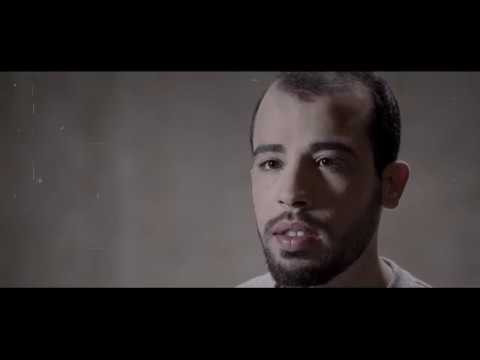
The execution follows a classic Setup-Turn-Payoff structure, executed flawlessly in a documentary style. The Setup (0:00-1:03) is a pitch-perfect imitation of a tech product launch. With its sleek logo, futuristic sound design, and the promise of an 'emotionally intelligent app' named SIRIA—a clever, biting pun on Apple's Siri and the forgotten crisis in Syria—it hooks a modern audience. We lean in, curious about the technology. The Turn (1:04-1:52) begins as participants in a staged social experiment interact with the app. The conversations shift from simple questions to profound stories of loss, displacement, and survival. The robotic voice recounting these traumas creates a jarring cognitive dissonance. The participants' faces register the shift from intrigue to deep, confused empathy; the 'AI' feels too real. This is where the ad's core tension builds. The Payoff (1:53-2:37) delivers the emotional gut punch. The screen reveals the truth: there is no app. The voices belong to real people. The moment the phone switches to a live video call and the participants connect with the actual human storytellers is incredibly powerful. The ensuing hugs are unscripted, raw, and deeply moving. The final message, 'We had to invent an artificial intelligence, so that you reconnect with a real problem,' lands the strategy with devastating clarity.
The key lesson from this debrief is that the medium can be the message. By wrapping a difficult truth in a format the audience actively seeks out (a tech demo), the campaign bypasses our usual defense mechanisms against 'charity ads.' It doesn't just ask for empathy; it tricks us into feeling it, forcing a moment of self-reflection about what we choose to pay attention to. It's a powerful and effective piece of communication that is both strategically sound and creatively brilliant.
Theme Keywords
Brand Position
The innovative and empathetic bridge between modern society and forgotten humanitarian crises.
Brand Archetype
The Caregiver
Creative Game Plan
We will trick people into caring about human suffering by disguising it as an innovative new technology.
Diagnosis: Issues & Solutions
Primary Issue: Clarity of "What's Next?"
The Problem:
The call-to-action, while clear, is generic. After such a powerful emotional journey, 'Listen, share and donate' feels like a standard, slightly passive closing. It doesn't fully capitalize on the peak emotional state of the viewer.
The Solution:
The CTA could have been made more tangible and urgent. For example: 'Their stories are real. Your help can be too. A donation of €10 provides a medical kit for someone like Baker. Act now at [URL].'
Secondary Issue: Emotional Connection
The Problem:
The film moves very quickly from the emotional climax of the participants meeting the storytellers to the final call-to-action cards. We don't get to hear the participants process the experience in their own words.
The Solution:
Including a brief, 10-second soundbite from one of the participants after the reveal (e.g., 'I feel ashamed that it took an app to make me listen') could have doubled down on the core insight and sustained the emotional peak for a moment longer.
Additional Notes
Credits
Share this Analysis
More Médicos del Mundo ad breakdowns
- #STOPVirusEVA The social virus that affects women because it is soMédicos del Mundo
- American Cancer Society: CourageAmerican Cancer Society
- “Fight disinformation. Arm yourself with facts” – RSF unveils its new year’s end campaign video.Reporters Without Borders (RSF)
- ¿Te imaginas cómo es la vida de los niños que nacen y crecen en prisión?Reinserta
- Before They’re Gone.This is Yolanda’s story.Dementia SA
- When I grow upReporters Without Borders
- War ReportersReporters Without Borders
- Burns and Smiles - Awareness Campaign 2017 - Halloween - #SeeDifferentBurns and Smiles