Before They’re Gone.This is Yolanda’s story. - Ad Analysis

AI Editor notes
Straight from the gut!!
“This one hits hard. For the first 50 seconds, you think you know what it is—another sad charity film. Then the reveal happens, and it's a punch to the gut. It’s so much more complex than simple grief. The clever misdirection is what makes it so effective and deeply unsettling. It’s not just trying to make you sad; it’s trying to make you understand a horrible, complicated truth.”
Quick Summary
The ad's power comes from a single, expertly executed twist. It makes the audience believe they are watching a daughter grieve her deceased mother, only to reveal the mother is alive but lost to dementia. This redefines the concept of 'loss' and makes the invisible pain of the disease tangible and unforgettable.
Executive Summary
This campaign from M&C Saatchi Abel for Dementia SA is a masterclass in emotional storytelling, using a powerful narrative device to communicate a difficult truth. It operates not as a typical commercial but as a piece of short-form documentary, grounding its appeal in the raw, unscripted testimony of a woman named Yolanda.
The Core Insight: The central idea is that the grief associated with dementia is unique and often misunderstood. The real tragedy isn't just the eventual death of the person, but the slow, incremental loss of their personality, memories, and identity while they are still physically present. The campaign identifies this 'ambiguous loss' as the core emotional experience it needs to communicate.
The Execution (Setup–Turn–Payoff): The ad's structure is its greatest strength. It deliberately misleads the viewer to maximize its final impact.
-
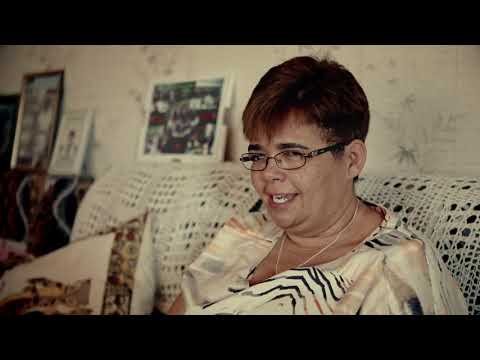
The Setup (0:00-0:50): The film opens on Yolanda, who speaks about her mother in the past tense. 'I miss my mom,' she begins, listing specific, relatable memories—her mother's scolding, her independence, her cooking, her jokes. This monologue is intercut with soft-focus shots of old family photos, a classic visual language for eulogy and remembrance. The somber piano music and Yolanda's genuine tears guide the audience to a single, logical conclusion: her mother is gone.
-
The Turn (0:50-0:59): The critical moment of reversal is executed with stark simplicity. After confirming 'I lost my mom more than a year ago,' the camera pulls back from the tight close-up to a two-shot, revealing Yolanda's mother sitting quietly beside her on the couch. Yolanda then delivers the line that reframes the entire film: 'And I lose a little more of her every day.' In this one shot, the narrative flips from a story about death to a story about the devastating reality of living with dementia. The on-screen text, 'Dementia takes away our loved ones, before they're gone,' crystallizes the turn.
-
The Payoff (1:00-1:07): The payoff is not a product benefit but a call for empathy and action. Having forced the viewer to experience a fraction of the emotional complexity of the disease, the ad asks for support for both the sufferers and their caregivers. The final branding for Dementia SA is earned; the organization is positioned as the entity that understands this profound, hidden struggle.
The Debrief: The key takeaway is that an emotional truth is more powerful than a factual statement. Instead of just saying 'dementia is hard,' the agency created an experience that allows the viewer to feel it. This use of strategic misdirection to build and then shatter an assumption is what makes the message so memorable and effective. It proves that for sensitive subjects, a quiet, human story can be far more impactful than a loud, direct appeal.
Theme Keywords
Brand Position
The compassionate authority that understands and supports families through the unique, prolonged grief of dementia.
Brand Archetype
The Caregiver
Creative Game Plan
Illustrate the hidden tragedy of dementia by showing that the true loss of a person happens long before they physically die.
Diagnosis: Issues & Solutions
Primary Issue: Clarity of "What's Next?"
The Problem:
The call-to-action—'Visit...for support, guidance or to make a donation'—is broad. After such a powerful emotional journey, a viewer might feel overwhelmed and unsure of the single most helpful first step to take.
The Solution:
Provide a more focused and accessible entry point. A specific, lower-barrier action like, 'Share this story to help others understand' or 'Download our guide for families' could be more effective at capturing initial engagement.
Secondary Issue: Emotional Connection
The Problem:
The ad's profound sadness, while effective, risks being so overwhelming that viewers on social media might scroll past to avoid the discomfort. It's a powerful but emotionally demanding piece of content.
The Solution:
Develop shorter, 15-second cutdowns focusing only on the reveal. This would ensure the core message lands even with viewers who have shorter attention spans or are avoiding deeply emotional content in their feeds.
Additional Notes
Related Links
Credits
Share this Analysis
More Dementia SA ad breakdowns
- American Cancer Society: CourageAmerican Cancer Society
- “Fight disinformation. Arm yourself with facts” – RSF unveils its new year’s end campaign video.Reporters Without Borders (RSF)
- ¿Te imaginas cómo es la vida de los niños que nacen y crecen en prisión?Reinserta
- Médicos del Mundo - SIRIAMédicos del Mundo
- When I grow upReporters Without Borders
- War ReportersReporters Without Borders
- Burns and Smiles - Awareness Campaign 2017 - Halloween - #SeeDifferentBurns and Smiles
- FLORA TRISTAN - CONCIERTO 2018Flora Tristán Peruvian Women's Center