HomeForTheBlindZurich StevieWonder - Ad Analysis

AI Editor notes
Straight from the gut!!
“This is smart, sharp, and respects the viewer's intelligence. It avoids the typical, maudlin charity ad tropes. You start by smiling at the singers' charming performance, and then the final line hits you. It's a gut punch. It doesn't plead for pity; it makes a logical, powerful argument grounded in a surprising truth. This is how you break through donation fatigue.”
Quick Summary
This ad works by brilliantly subverting expectations. It draws you in with the charm of elderly, blind individuals joyfully singing a famous song, making you think it's a simple, inspirational piece. Then, it uses a single, sharp line of copy to pivot, contrasting this heartwarming scene with the harsh financial reality most blind people face, creating an unforgettable and effective appeal for donations.
Executive Summary
This spot from Home for the Blind Zurich is a lesson in strategic misdirection and emotional impact. It stands out in a category often defined by overly sentimental or guilt-inducing imagery by choosing intelligence and wit.
The Core Insight: The simple human truth at the heart of this ad is that society celebrates the extraordinary exceptions to feel better about the difficult reality of the majority. We love the story of a blind person becoming a millionaire musician like Stevie Wonder because it's inspiring. However, that very inspiration can obscure the fact that for most visually impaired individuals, life isn't a stadium tour; it's a daily challenge that often requires financial support. The ad weaponizes this disconnect.
The Execution: The creative follows a classic Setup-Turn-Payoff structure.
-
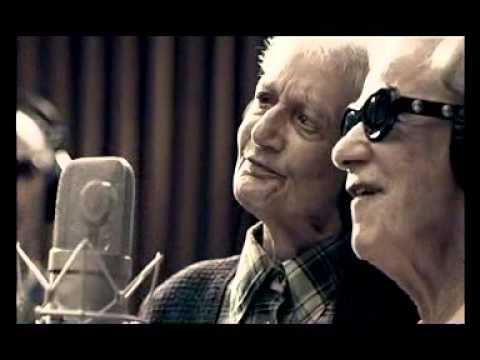
The Setup (0:00-0:34): The first 35 seconds are dedicated to building a warm, positive, and slightly quirky atmosphere. We are introduced to a choir of elderly, blind singers in a professional recording studio. Their rendition of Stevie Wonder's "I Just Called to Say I Love You" is full of life and joy. The use of real residents, with their authentic accents and heartfelt, imperfect vocals, is a deliberate choice that builds trust and a strong sense of warmth. The viewer is led to believe this is a straightforward, uplifting film about the power of music.
-
The Turn (0:35): The music cuts. The screen goes black. The silence is abrupt. A single line of text appears: "Not everyone who's blind can earn millions singing." This is the critical moment where the ad pivots. The line of copy acts as a 'turn,' instantly reframing everything the viewer has just seen. The joy of the singers is no longer just inspirational; it's now the exception that proves the rule.
-
The Payoff (0:36-0:45): The payoff is the direct consequence of the turn. The ad doesn't need to show sad faces or explain the difficulties of being blind. The single, sharp sentence did all the work. The call to action—"Thank you for your donation" and a PO account number—feels less like a plea and more like a logical conclusion. The problem has been presented in a clever, undeniable way, and here is the solution. The brief final shot of the smiling choir reminds us who the donation helps, ending on a note of humanity.
The Debrief: The key lesson here is the power of subverting category conventions. Instead of following the standard non-profit playbook, the agency chose to treat the audience as intelligent. They used a shared cultural reference (Stevie Wonder) and a genuinely charming performance to set a trap, which they sprung with a single line of copy. It proves that a strong strategic insight, when executed with wit and authenticity, can be far more effective than a direct appeal to pity.
Theme Keywords
Brand Position
The charity that respects your intelligence and tells the honest, unglamorous truth about living with blindness.
Brand Archetype
Caregiver, with a Jester's wit.
Creative Game Plan
Juxtapose the joyful, amateur singing of everyday blind people with the phenomenal success of a blind superstar to create a surprising and powerful argument for donation.
Diagnosis: Issues & Solutions
Primary Issue: Clarity of "What's Next?"
The Problem:
The call to action, a PO-Account number, is a product of its time. In the contemporary digital landscape, it represents a high-friction barrier to donation, requiring the viewer to manually record the number and initiate a bank transfer.
The Solution:
If this campaign were run today, the CTA would need to be updated for immediate action. A simple, memorable URL (e.g., Donate.ch) and a QR code on screen would be essential to convert intent into instant donations via mobile devices.
Secondary Issue: Strategic Sense
The Problem:
The ad's core premise relies on the viewer knowing that Stevie Wonder is blind. While this is common knowledge for many, a segment of the audience might not possess this context, which would cause the central strategic twist to lose its power.
The Solution:
To make the ad more resilient, a subtle graphic like "Original by Stevie Wonder, blind since childhood" could appear briefly on screen, ensuring the crucial context is universally understood without disrupting the creative flow.
Additional Notes
Credits
Share this Analysis
More Home for the Blind Zurich (Blindenwohnheim Mühlehalde) ad breakdowns
- Feed a child. Feed a Childhood. | World Vision CanadaWorld Vision Canada
- #BikesForUkraine Join our international campaign!Bikes For Ukraine
- Winter Appeal 2021Anglicare WA
- ONG Viva Rio - FloodingViva Rio
- BØRNEfonden(Children & Youth Foundation): How old is old enough?BØRNEfonden (Children & Youth Foundation)
- Get Cancer | ChemistryIrish Cancer Society
- Dublin's Unfair City: Justin's story told through Artificial IntelligenceDublin Simon Community
- AloneThe Salvation Army