Feed a child. Feed a Childhood. | World Vision Canada - Ad Analysis

AI Editor notes
Straight from the gut!!
“Flipping the script from starving kids to happy, burping kids is a gutsy move in the charity space. It's built entirely on a clever audio gimmick. Does it work? Mostly. It's memorable and avoids the guilt trip that makes people tune out. [1] But it walks a fine line. For some, the sound might feel more juvenile than joyful, potentially undercutting the gravity of the issue. The strategy is to show hope, but the execution feels more like a chuckle.”
Quick Summary
This campaign's power comes from reframing a universally recognized, slightly impolite sound—a child's burp—as the ultimate metric of success for a hunger charity. By turning a burp into a symbol of a full belly and a carefree childhood, the ad cuts through the typical 'sad-vertising' clutter and creates a distinctive, memorable, and joyful brand association for World Vision. [1, 2, 3, 4]
Executive Summary
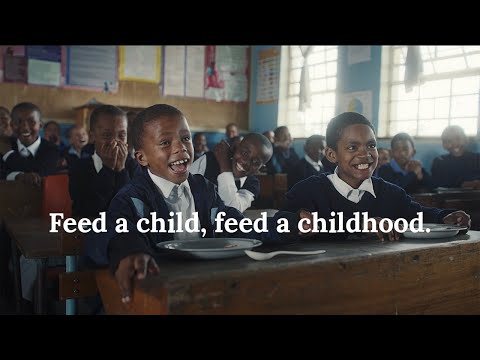
In the crowded and often emotionally taxing world of non-profit advertising, World Vision Canada’s “Feed a child. Feed a Childhood.” campaign is a breath of fresh air—or perhaps more accurately, a belch of fresh air. Instead of adhering to the category’s well-worn formula of heart-wrenching images and somber music, the agency Broken Heart Love Affair made a deliberate choice to pivot to joy. [1, 3] The campaign is built on a simple, clever, and slightly cheeky human truth: the most undeniable proof of a satisfying meal isn't a clean plate, but the undignified burp that often follows. This sound, normally a minor social faux pas, is ingeniously reframed as the triumphant sound of success.
The execution uses a classic montage structure, but its power lies in the audio design. The ad hooks the viewer immediately with an unexpected burp sound over a tender scene of two children. What follows is a 20-second symphony of burps from children of all ages and backgrounds, mixed with giggles and laughter. This isn't just a gimmick; it's the entire creative vehicle. It shows that World Vision’s work doesn't just end hunger, it restores childhood itself—the freedom to be silly, loud, and carefree. The brief flashes of empty plates being cleared and World Vision sacks being unloaded serve as the rational proof, grounding the joyful chaos in the reality of the organization's logistics. The payoff is the simple, powerful tagline, “Feed a child, feed a childhood,” which connects the physical act of feeding with the emotional outcome of a restored life.
From a debrief perspective, the key lesson is the power of strategic reframing. By identifying a tired category trope—“sad-vertising”—the team was able to create an ad that is not only different but feels optimistic and empowering. It proves that a charity can sell hope instead of guilt. It also demonstrates that a single, focused creative device, in this case the sound of a burp, can carry an entire campaign if the underlying insight is strong enough. The result is an ad that is hard to ignore and even harder to forget, successfully carving out a unique space for World Vision in the minds of potential donors.
Theme Keywords
Brand Position
The charity that delivers tangible, joyful results.
Brand Archetype
Caregiver
Creative Game Plan
Transform the sound of a child's burp from a minor social taboo into the triumphant, audible proof of our mission's success.
Diagnosis: Issues & Solutions
Primary Issue: Strategic Sense
The Problem:
The ad excels at brand building but is weak at converting intent into immediate action. The final call to action, 'Let's feed more together,' is emotionally resonant but strategically vague, leaving potential donors feeling good but without a clear, urgent directive.
The Solution:
Incorporate a more direct, frictionless call-to-action in the final five seconds. A simple URL overlay (e.g., 'Donate at worldvision.ca') or a text-to-donate prompt would provide a clear pathway for viewers moved by the message to contribute immediately.
Secondary Issue: Emotional Connection
The Problem:
While the focus on joy is a refreshing strategic choice, the singular reliance on burping as the primary audio cue risks being perceived as slightly one-dimensional or even crass by some segments of the audience, potentially trivializing the very serious issue of hunger.
The Solution:
Broaden the ad's 'soundscape of joy.' While keeping the burps as the central hook, weave in more distinct audio of children's laughter, excited chatter during meals, or songs. This would create a richer, more universally appealing emotional tapestry that reinforces the 'carefree childhood' theme without relying solely on a potentially polarizing sound.
Additional Notes
Related Links
Credits
Share this Analysis
More World Vision Canada ad breakdowns
- No Child For Sale (2014) :60 Commercial - Chocolate | World VisionWorld Vision Canada
- No Child for Sale: Stop Child Labour in Sweatshops | World Vision CanadaWorld Vision Canada
- Everything Viral in 45 Seconds | World VisionWorld Vision Canada
- #BikesForUkraine Join our international campaign!Bikes For Ukraine
- Winter Appeal 2021Anglicare WA
- ONG Viva Rio - FloodingViva Rio
- BØRNEfonden(Children & Youth Foundation): How old is old enough?BØRNEfonden (Children & Youth Foundation)
- Get Cancer | ChemistryIrish Cancer Society