Birla Opus Paints | Special Mehmaan Aayenge? | Ganesh Chaturthi | Hindi - Ad Analysis

AI Editor notes
Straight from the gut!!
“It's a sweet, well-produced film that pulls the right heartstrings. But let's be honest, it feels like I'm watching an Asian Paints ad from five years ago. For a new challenger brand like Birla Opus trying to fight giants, is 'playing it safe' the right move? It's competent, but it's not disruptive. It follows the leader's playbook instead of writing a new one.”
Quick Summary
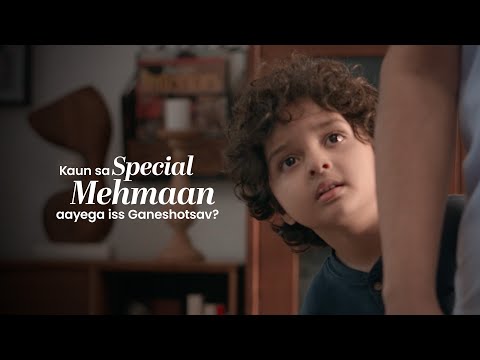
This is a classic piece of festive advertising that uses a child's innocent wish to celebrate Ganesh Chaturthi as the emotional catalyst for a family to overcome their modern-day hesitations. Birla Opus positions its paint not just as a product, but as the essential first step in transforming a house into a home ready for celebration, making the brand a facilitator of family joy and tradition.
Executive Summary
Birla Opus's Ganesh Chaturthi film is a textbook example of emotional, festive advertising in the Indian market. It operates on a simple, powerful insight and executes it with cinematic warmth. However, for a challenger brand entering a market dominated by legacy players with deep emotional equity, playing by the established rules may not be enough to carve out a distinct identity.
The Core Insight: The central idea is that the pure, unwavering desire of a child to uphold a tradition can be the necessary push for adults to overcome the practical hurdles of modern life. In today's world, celebrating a festival like Ganesh Chaturthi properly involves time, effort, and money—all things young parents are short on. The film posits that a child's innocent longing can make all that effort feel not just worthwhile, but essential.
The Execution (Setup-Turn-Payoff): The narrative is structured as a classic Setup-Turn-Payoff arc. The Setup (0:00-1:05) establishes the conflict: the boy's world is filled with signs of the upcoming festival, sparking his desire to bring a Ganesha idol home. His parents, however, represent the voice of adult practicality, listing the difficulties involved. This creates an emotional gap between the child's wish and the parents' reality. The Turn (1:05-2:06) is a quiet, powerful pivot. It's not one single moment but a series of them—the boy's dejected face, his determined attempt to wake up early—that chips away at the parents' resistance. The crucial turn happens in a moment of shared understanding between the husband and wife, a non-verbal agreement to make their son's wish come true. This decision immediately leads to the arrival of the Birla Opus painters, positioning the brand as the first step in realizing the family's festive dream. The Payoff (2:07-3:22) is a cascade of joy. The house is physically transformed by color, which mirrors the family's emotional transformation. The climactic aarti scene is a celebration not just of the festival, but of the family's decision. The final shot of the boy sharing a modak with his neighbor brings the story full circle, showing that his personal wish has now become a source of communal joy—a transformation enabled by the brand.
The Debrief: The team behind this ad successfully created a heartwarming, relatable film. It effectively connects Birla Opus to a key cultural moment, a critical task for a new brand. However, the strategy feels derivative. It leverages the category's established emotional language rather than inventing its own. The biggest lesson is that while emotional storytelling is effective, distinctiveness is paramount for a challenger. Without a unique point of view or a connection to a tangible product benefit that makes the brand the only choice for this moment, the ad risks generating goodwill for the category as a whole, which ultimately benefits the market leader.
Theme Keywords
Brand Position
The paint that transforms houses into homes ready for life's most beautiful celebrations.
Brand Archetype
The Caregiver
Creative Game Plan
Position Birla Opus as the enabler of festive joy by showing how transforming your home with color is the first step to fulfilling a cherished family tradition.
Diagnosis: Issues & Solutions
Primary Issue: Strategic Sense
The Problem:
The ad's primary pitfall is its strategic conformity. As a challenger, Birla Opus has adopted the emotional, long-form storytelling style perfected by market leader Asian Paints. This makes the ad feel familiar and safe, but it fails to create a unique, ownable space for the new brand.
The Solution:
Instead of mirroring the leader, lean into the 'challenger' status. Create a campaign that directly addresses a pain point the leader ignores. For example, focus on a service innovation (like faster, cleaner painting) that specifically solves the parents' initial hesitation about the 'extra work' of festival prep.
Secondary Issue: Brand Distinctiveness
The Problem:
The brand is a facilitator but not the hero. The paint is shown, but the emotional climax is about the festival itself, not a unique quality of the paint. The connection between the color transformation and the emotional transformation could have been stronger and more brand-specific.
The Solution:
Integrate the product more meaningfully into the narrative. For instance, a specific color shade could have a name that ties into the story, or a unique paint texture could be a talking point. The reveal of the painted wall should feel like a magical moment that truly elevates the home, making the brand indispensable to the story's resolution.
Additional Notes
Related Links
Credits
Share this Analysis
More Birla Opus Paints ad breakdowns
- Birla Opus Paints | Celebrating Colours of India | Jaipur | Hindi | 30sBirla Opus Paints
- Birla Opus Assurance | Painting Wapas Karke Dene ka Assurance | Politician | Hindi | 45sBirla Opus Paints
- Birla Opus Assurance | Painting Wapas Karke Dene ka Assurance | Rockstar | Hindi | 45sBirla Opus Paints
- Birla Opus Paints | Naye Zamane Ka Naya Paint | Style Interiors | Vicky K.|Saurabh S. | 45 sec HindiBirla Opus Paints
- Birla Opus Paints | Celebrating Colours of India | Mumbai | Hindi | 30 secBirla Opus Paints
- Celebrate the magic of Colours this Holi with Birla Opus PaintsBirla Opus Paints
- Birla Opus Paints - Duniya Ko Rang Do | Hindi | 60 secBirla Opus Paints
- Birla Opus Paints - Duniya Ko Rang Do | Hindi | 30 sec (Exterior)Birla Opus Paints