The Toshiba Space Chair Project - Ad Analysis

AI Editor notes
Straight from the gut!!
“This is the kind of work that makes you jealous. It's so simple. So pure. Instead of a bunch of marketing nonsense, they just did something incredibly cool and filmed it beautifully. The payoff—'Armchair viewing, redefined'—is perfect. It's a high-concept idea that feels grounded and real because it *is* real. You can't argue with it. It makes the brand feel smart and ambitious.”
Quick Summary
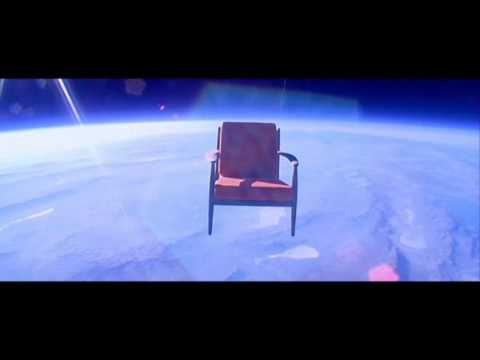
Toshiba elevates a simple product demonstration into a stunning piece of brand storytelling by performing a real-world stunt—sending an armchair to the edge of space—to create a powerful and literal metaphor for how its new TV technology redefines the viewing experience. It's a classic example of 'show, don't tell,' proving the brand's 'Leading Innovation' tagline rather than just claiming it.
Executive Summary
Toshiba's 'Space Chair' is a prime example of advertising that transcends its commercial purpose to become a piece of cultural currency. In 2009, as a challenger brand in a crowded television market, Toshiba needed to do more than just list technical specifications; it needed to make its tagline, 'Leading Innovation,' feel true. The campaign's core idea is built on a profound yet simple insight: the promise of a great television is not just to show you a picture, but to transport you.
The creative strategy was to take this metaphorical promise and make it literal. The execution is a simple, linear narrative following an archetypal object of home comfort—an armchair—on an extraordinary journey. The ad employs a documentary-style, live-action approach that gives it an air of authenticity and wonder. The setup begins in the stark emptiness of the Nevada desert, establishing a cinematic tone. The 'turn' is the ascent itself, a beautifully captured voyage from the ground to the stratosphere. The camera's perspective, attached to the rig, makes the viewer a participant in this serene and surreal flight. The pacing is patient, allowing the awe of the visuals—the curvature of the Earth, the thin blue line of the atmosphere—to build naturally. The payoff is twofold. First, the tagline 'Armchair viewing, redefined' appears, brilliantly connecting the epic journey back to the product benefit. Second, the reveal of the Toshiba Regza TV shows that this incredible spectacle is the quality of image the product delivers. The final 'pop' of the balloon is a smart touch, grounding the fantasy in a moment of real-world physics and leaving a lasting impression.
The genius of 'Space Chair' lies in its restraint. There is no voiceover explaining what to think, no frantic cuts, and no on-screen family gasping at the TV. The agency, Grey London, trusted the power of the central image to do all the work. By executing a real stunt and documenting it with its own products, Toshiba created a story of genuine ambition and technical achievement. The debrief for any team looking at this work is clear: a powerful, simple, and flawlessly executed idea will always be more effective than a complex message. It proved that brand-building isn't about shouting the loudest; it's about doing something unforgettable and letting the story speak for itself.
Theme Keywords
Brand Position
The innovator that provides a viewing experience so real and profound it transports you.
Brand Archetype
The Explorer
Creative Game Plan
Prove Toshiba's innovation by making the metaphorical benefit of its technology—transformative viewing—literal and real.
Diagnosis: Issues & Solutions
Primary Issue: Strategic Sense
The Problem:
The connection between the spectacle and the product, while elegant, is entirely metaphorical. A skeptical consumer could dismiss this as a beautiful but expensive stunt that says little about the day-to-day performance or value of the television compared to its competitors.
The Solution:
Strengthen the product link by briefly incorporating a UI element or a shot demonstrating a specific feature (like the 'local dimming' LED technology mentioned in press releases [2]) on the TV screen after the main reveal, making the innovation claim more tangible.
Secondary Issue: Clarity of "What's Next?"
The Problem:
The campaign relied heavily on PR and organic discovery, with a simple URL as the only direct call to action. While effective for brand fame, it misses an opportunity to guide an engaged viewer to a more specific, rewarding destination.
The Solution:
Complement the main film with a stronger digital call to action, such as 'Explore the technology that made this view possible' or 'See more footage from the edge of space,' leading directly to a landing page that deconstructs the TV's features in the context of the film.