1987: Murphy Color TV - Ad Analysis

AI Editor notes
Straight from the gut!!
“This is a classic for a reason. It's campy, over-the-top, and perfectly taps into the Bollywood obsession of its era. For 1987 India, with a single government TV channel, this must have felt electric. The idea of the hero literally jumping out of the TV is such a smart, simple way to say 'lifelike picture'. It's way more effective than just showing scenic shots and talking about technical specs. Solid work.”
Quick Summary
This ad cleverly bypasses a technical feature list by demonstrating the product's value through a universally understood medium: a Bollywood action film. It posits the Murphy TV not as an appliance, but as a portal to 'living entertainment' so real it can burst out of the screen, making it a memorable and effective piece of communication for its time.
Executive Summary
In the context of 1980s India, where television was transitioning from a state-controlled utility to a vessel for popular entertainment, this Murphy ad is a sharp piece of strategic communication. It recognized that for the average family, a color TV wasn't about hertz or scan lines; it was about the magic of cinema entering the living room. The ad brilliantly sidesteps a technical sell, which would have been dry and alienating, in favor of a demonstration of benefit that is both emotional and entertaining.
The Core Insight here is that people don't buy televisions, they buy entertainment. The simple human truth is the desire to escape into the vibrant, action-packed world of movies. The ad leverages the most potent form of escapism in India: the classic Bollywood 'dacoit' (bandit) film. By framing the TV as a gateway to an experience so vivid it can't be contained by the screen, Murphy positioned itself not as a manufacturer of electronics, but as a purveyor of 'living entertainment.'
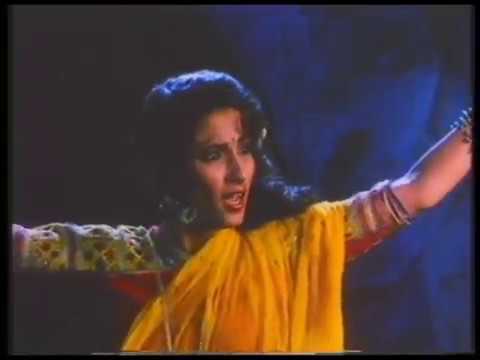
The Execution follows a classic Problem-Solution structure, wrapped in a humorous, theatrical style. The Setup is a quintessential Bollywood scene: a helpless woman captured by cartoonishly evil dacoits in their lair. This is the 'problem' of a boring, pre-Murphy world. The Turn occurs with the magical appearance of the Murphy TV. This isn't just a product placement; it's a divine intervention that changes the narrative. The bandits, and by extension the viewer, are mesmerized by the quality of the image—'Kya aawaz, kya color, ka picture!' ('What sound, what color, what a picture!'). The Payoff is the ad's masterstroke: the hero literally leaps out of the television to save the day. The product is no longer a passive screen but an active participant in the story. The hero and heroine then escape into the TV, reinforcing it as the portal to a happier, more exciting reality. This entire sequence is a powerful, non-verbal demonstration of the product's key attribute: a lifelike picture.
The Debrief for the team would be clear: when your product's benefit is experiential, demonstrate it, don't just describe it. The ad's success lies in translating a technical feature (better picture and sound quality) into a tangible, emotional benefit (more immersive entertainment). It understood its audience's cultural language—the tropes of Hindi cinema—and used it to create a shorthand for quality. The lesson is that the most effective way to sell a window to another world is to show something incredible coming through it.
Theme Keywords
Brand Position
Murphy is the television that delivers entertainment so real and vivid, it feels alive.
Brand Archetype
Magician
Creative Game Plan
Demonstrate the TV's lifelike picture quality by having a film hero literally jump out of the screen to save the day.
Diagnosis: Issues & Solutions
Primary Issue: Strategic Sense
The Problem:
The ad's reliance on a specific cinematic trope, while effective for its time, risks aging poorly and feeling like a generic parody rather than a distinct brand asset over the long term. The humor is so tied to the film genre that the brand has to work hard to own the idea itself.
The Solution:
Future campaigns should evolve the 'Living Entertainment' platform beyond parody. Instead of borrowing from a genre, the brand could create its own unique, surreal visual language where entertainment and reality blur, making the creative idea more ownable.
Secondary Issue: Clarity of "What's Next?"
The Problem:
While typical for its era, the ad has a very passive call to action. The viewer is left entertained and impressed, but with no clear next step or compelling reason to choose Murphy over a competitor beyond this single, memorable execution.
The Solution:
Even within a brand-building framework, a simple, memorable tagline that links the brand name to the core benefit could have provided a stronger takeaway, such as 'Murphy: So Real, It's Real.' This would make the brand easier to recall at the point of purchase.