smart thief caught on cam - Ad Analysis

AI Editor notes
Straight from the gut!!
“This is smart, low-budget work that respects the audience's intelligence. Instead of shouting 'our TV is thin,' they created a piece of entertainment that you *want* to share. The 'security cam' gag was already a trope in 2012, but they used it to perfection. It feels less like an ad and more like a clever prank the internet lets you in on. It's a solid example of not needing a blockbuster budget to make a massive impact.”
Quick Summary
This ad's success comes from a simple, brilliant product demonstration disguised as native content. By mimicking the look and feel of a viral 'caught on camera' video, it made an abstract product feature—a television's thinness—tangible, surprising, and incredibly shareable. It's not an ad *about* a thin TV; it *is* the reason a thin TV matters, shown in a way you can't ignore.
Executive Summary
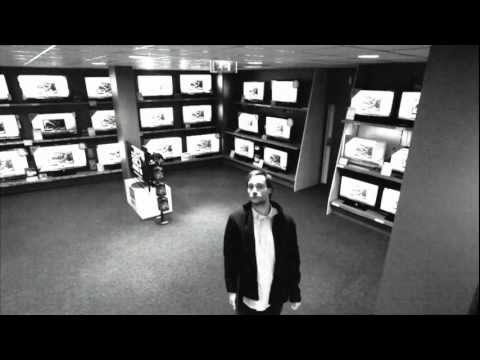
LG’s "Smart Thief" is a textbook example of how to execute a single-minded product demonstration with creative flair. Created by Y&R Amsterdam to generate buzz for the world's slimmest OLED TV ahead of the 2012 Consumer Electronics Show, the ad brilliantly sidesteps traditional advertising methods in favor of something far more potent for its time: a mock viral video. [2] Its strength lies in its disguise. By adopting the grainy, black-and-white aesthetic of security camera footage, it presents itself as authentic, user-generated content—a format that was peaking in popularity and shareability on platforms like YouTube. This choice of a 'Humorous' creative format, executed through a 'Live Action' style, was a calculated move to engage an audience, particularly men, who were known to consume and share such clips online. [2]
The ad follows a classic Setup-Turn-Payoff narrative structure. The setup is the entire first 45 seconds: a man behaving suspiciously in an electronics store, staring directly into every security camera. This builds tension and curiosity. The viewer is primed to expect a clumsy theft or a bizarre prank, playing into the 'dumb thief' viral video trend. The 'Turn' happens at the exit, where the camera angle shifts to a side profile, revealing the impossibly thin television under his arm. This is the moment of surprise and delight, where the audience realizes they've been part of a clever illusion. The 'Payoff' is immediate and two-fold: the visual gag lands, and the brand message is delivered via the store window poster: "The World's Slimmest Television" from LG. [6]
What makes the execution so effective is its restraint. There is no dialogue, no flashy graphics until the final reveal, and the audio is merely ambient hum. The ad doesn't tell you the TV is thin; it shows you in the most dramatic and unexpected way possible. It transforms a technical product spec—4mm thickness—into a tangible, memorable story. [3] The debrief for the creative team here is clear: you don't need a massive budget to make a massive impact. Understanding platform behavior (what people were watching and sharing on YouTube in 2012) and wrapping your product truth in a native format is more powerful than a high-gloss, interruptive commercial. This ad didn't just sell a TV; it created a piece of internet culture that people shared willingly, generating millions of views and significant earned media for LG. [2]
Theme Keywords
Brand Position
LG is the pioneer of impossibly thin, innovative television design.
Brand Archetype
Magician (making the impossible possible, transforming a bulky object into something sleek and almost invisible).
Creative Game Plan
Demonstrate the television's unprecedented thinness through a deceptive, shareable story that feels like authentic viral content.
Diagnosis: Issues & Solutions
Primary Issue: Emotional Connection
The Problem:
The ad is exceptionally clever but emotionally cold. The focus is entirely on the 'smart' gag and the product feature. While effective, it forgoes any opportunity to connect the product benefit (a slim TV) to a human benefit (e.g., a more beautiful living space, a feeling of modernism).
The Solution:
A follow-up piece of content could have shown the 'thief' placing the TV in a stylish, minimalist home, visually paying off the 'why' behind wanting such a slim device. This would connect the cleverness of the theft to the aspirational benefit of owning the product.
Secondary Issue: Strategic Sense
The Problem:
The success of the viral format is heavily dependent on being perceived as authentic, at least initially. As audiences become more sophisticated, the 'fake viral' trope loses its power and can even feel deceptive. Its long-term strategic viability is limited.
The Solution:
For a future campaign, the brand could pivot from faking user-generated content to facilitating real user creativity. Instead of a fake thief, they could run a contest challenging people to use the TV's slimness in creative ways, turning the audience into genuine creators rather than just viewers.
Additional Notes
Related Links
Credits
Share this Analysis
More LG ad breakdowns
- LG Vivace, Leave laundry out of your thoughts!LG
- Introducing the LG B&Binge - The Ultimate Binge-Watching ExperienceLG
- LG gram | A Whole New Scale (17Z990) | LGLG
- The Best Gift Ever: LG CordZero™ #happybirthdayLG
- Make the tunes and someone’s day | Life’s Good | LGLG
- sony braviaSony
- Philips Carousel Commercial - Adam Berg Commercial of the Year Stink DigitalPhilips
- The Toshiba Space Chair ProjectToshiba