The Gucci Aria Advertising Campaign - Ad Analysis

AI Editor notes
Straight from the gut!!
“This is peak Alessandro Michele-era Gucci. It’s a pure vibe. It’s opulent, chaotic, and feels more like an art film than a commercial. Honestly, it’s a bit self-indulgent and could feel alienating if you’re not already in the club. It's banking everything on the atmosphere and the celebrity heat from Måneskin. Does it make me want to buy a specific handbag? No. Does it reinforce that Gucci is a world of its own? Absolutely.”
Quick Summary
This isn't an ad; it's a mood board in motion. Gucci sells a feeling of forbidden, intellectual hedonism by dropping the viewer into a voyeuristic fantasy at The Savoy Hotel. The core strategy is to associate the Aria collection not just with luxury, but with a specific, culturally-potent flavor of desire, using the timely casting of Måneskin and the brand's own history as the hook.
Executive Summary
The Gucci Aria campaign is less a commercial and more a cinematic exploration of a theme: the 'Ontology of Desire'. It operates on the core insight that desire is amplified by the forbidden and the act of watching. By setting the film in the voyeuristic playground of a grand hotel—a nod to the brand’s origin story at The Savoy—Gucci transforms its clothing and accessories from mere products into artifacts of a secret, hedonistic world. [5, 10]
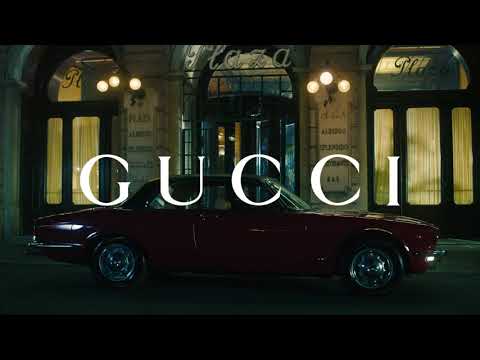
The execution is a masterclass in building a 'Lifestyle/Aspirational' mood piece. It eschews a traditional narrative for a montage structure that functions as a sensory journey. The film opens by establishing its location and protagonist, model Kristen McMenamy, whose arrival sets a tone of opulent mystery. This serves as the setup, inviting us into this exclusive space. The narrative then dissolves into a series of quick, intimate cuts that form the film’s core. We become voyeurs, peering through keyholes and blinds at characters—including the band Måneskin—engaged in ambiguous acts of pleasure and connection. [10, 13] The camera fetishizes details: the texture of a fabric, a hand on skin, the glint of jewelry. This isn't a product demo; it's a product feeling. The payoff is not a resolution but the lingering atmosphere of desire itself. The final hashtag, #GucciAria, is the only directive, asking the audience to join the conversation, not necessarily the checkout line.
What the creative team should take away from this is the power of committing to a pure brand world. In high fashion, selling a feeling can be more powerful than selling a feature. The campaign smartly leveraged the cultural heat of Måneskin, the historical weight of The Savoy, and the intellectual credibility of referencing theorists like Freud to create a piece of marketing that felt more like a piece of art. [5, 13] It's a reminder that when your brand is distinctive enough, you don't need to shout; you can whisper, and the right people will lean in to listen.
Theme Keywords
Brand Position
Gucci is the nexus of intellectual, sensual, and eccentric luxury.
Brand Archetype
The Lover, with shades of The Magician.
Creative Game Plan
Immerse the audience in a world of pure, unadulterated desire to frame the Aria collection as the key to unlocking a life of intellectual and sensual freedom.
Diagnosis: Issues & Solutions
Primary Issue: Emotional Connection
The Problem:
The ad's depiction of 'desire' is so highly stylized and conceptual that it risks feeling sterile. It's a beautiful, cold exploration of sensuality that can be admired from a distance but may fail to evoke a genuine, personal emotional response in a broader audience.
The Solution:
Introduce a single, micro-narrative thread with a more relatable emotional arc. A brief, two-second shot of genuine, un-posed laughter or a moment of vulnerability amidst the high-concept hedonism could provide an anchor for the viewer, making the fantasy feel more attainable.
Secondary Issue: Strategic Sense
The Problem:
The campaign leans heavily on its own 'insider' references—The Savoy's history, the Balenciaga 'hack,' the philosophical texts. This creates a rich tapestry for the initiated but can feel alienating or simply confusing for those outside the high-fashion bubble.
The Solution:
While maintaining the artistic integrity, ensure key product shots (like the co-branded suit) are framed in a way that their novelty and design can be appreciated even without full context. A slightly longer, more heroic shot of the main 'hacked' pieces would make the commercial point without undermining the artistic one.
Additional Notes
Related Links
Credits
Share this Analysis
More Gucci ad breakdowns
- We Will Always Have LondonGucci
- Gucci Together for Valentine’s DayGucci
- Introducing New Fragrances from The Alchemist’s GardenGucci
- Gucci Gift: The Holiday CampaignGucci
- Miley Cyrus for Gucci FloraGucci
- Gucci GiftGucci
- Actor,singer,global brand ambassador Xiao Zhan, unveils GUCCI's brand-new Chinese New Year campaignGucci
- The New Gucci Bloom Campaign with Anjelica Huston, Florence Welch, Jodie Turner-Smith and Susie CaveGucci