Actor,singer,global brand ambassador Xiao Zhan, unveils GUCCI's brand-new Chinese New Year campaign - Ad Analysis

AI Editor notes
Straight from the gut!!
“It’s a beautifully shot, classic holiday ad. They’re ticking all the boxes: massive celebrity ambassadors, family warmth, nostalgia. It's safe. It will absolutely please the fans of Xiao Zhan and Ni Ni and do its job for the season, but does it push Gucci's brand narrative forward under Sabato De Sarno? It feels more like a comforting, well-executed play from the luxury holiday playbook than a bold new statement.”
Quick Summary
Gucci uses the emotional weight of Chinese New Year homecoming to ground its high-fashion aesthetic in something universally relatable. By juxtaposing the adult brand ambassadors with their childhood selves, the ad connects the aspirational luxury of Gucci with the deeply personal feelings of nostalgia and family connection, making the brand feel both timeless and emotionally relevant for a key cultural and commercial moment.
Executive Summary
In its 2025 Chinese New Year campaign, Gucci opts for a strategy of emotional resonance over creative disruption. The film, starring global brand ambassadors Xiao Zhan and Ni Ni, is a deliberate and well-crafted appeal to the heart of its most important market. It grounds the aspirational world of high fashion in the universally understood, and culturally vital, tradition of the holiday homecoming. [2, 7]
The Core Insight here is that the cherished feelings of returning home for the New Year are timeless, connecting our present selves with the hopeful children we once were. This is a powerful, if familiar, territory for holiday advertising. The brand is not selling a jacket; it's selling a feeling of belonging, warmth, and sophisticated celebration that is intrinsically linked to this core memory.
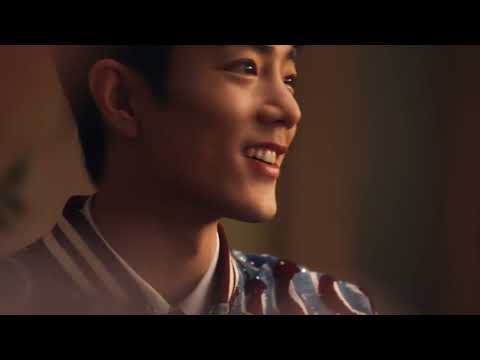
The Execution follows a classic parallel narrative structure. It opens by establishing the emotional foundation: childhood. We see a young boy and girl in separate homes, caught up in the magic of a snowy New Year's Eve. The film uses familiar visual shorthand—marking heights on a doorframe, peeling an orange, looking out a frosted window—to build a sense of shared nostalgia. This setup makes the 'Turn'—the reveal of the adult Xiao Zhan arriving at his family's party—feel like a satisfying emotional payoff. He isn’t just a celebrity in a nice jacket; he is the grown-up version of the boy we just met. The final 'Payoff' connects the two parallel worlds as Xiao Zhan and Ni Ni, the grown-up girl, share a look through their windows. This act of seeing and being seen transforms them from isolated individuals into participants in a shared cultural moment, subtly positioning Gucci as the thread connecting these modern, successful lives. [6] The products from the 'Year of the Snake' collection are present throughout, but they serve as wardrobe rather than the central focus, allowing the human story to take precedence. [5]
The Debrief for the creative team is that emotional safety can be highly effective, especially in a market prioritizing tradition and family. The use of top-tier local ambassadors in a culturally reverent story is a proven formula. [3] However, it also highlights the challenge for a brand like Gucci, historically known for edgier creative, to articulate a new vision under Sabato De Sarno that feels both fresh and culturally appropriate. This ad succeeds in its immediate goal but does little to define a new, distinct creative era for the brand in the region. It's a successful play for the season, not a game-changing new strategy.
Theme Keywords
Brand Position
Gucci positions itself as the embodiment of timeless Italian craftsmanship infused with contemporary cultural relevance.
Brand Archetype
The Lover
Creative Game Plan
Connect Gucci's modern luxury with the timeless, cherished tradition of Chinese New Year homecoming.
Diagnosis: Issues & Solutions
Primary Issue: Strategic Sense
The Problem:
The ad feels strategically 'safe' and doesn't strongly communicate the new creative direction under Sabato De Sarno. It leans so heavily on the established holiday-ad formula that it risks feeling more like a generic luxury spot than a distinctly 'Gucci' statement.
The Solution:
Integrate a unique, recurring visual motif from the 'Year of the Snake' collection into the childhood flashback scenes. A child's drawing of a snake, or a serpentine pattern on a toy, would subtly link the brand's new creative vision to the nostalgic narrative, making the story more ownable by Gucci.
Secondary Issue: Emotional Connection
The Problem:
While warm, the emotion is broad and lacks a single, powerful, unforgettable peak. The parallel story is a well-worn trope that delivers a pleasant feeling but prevents the ad from achieving a truly memorable emotional punch.
The Solution:
Instead of a simple cross-window wave at the end, create a more intimate moment. Have Xiao Zhan hold up an old photo of himself as a child, with Ni Ni reacting with a smile of recognition, solidifying their shared history in a more specific and poignant way.
Additional Notes
Related Links
Credits
Share this Analysis
More Gucci ad breakdowns
- We Will Always Have LondonGucci
- Gucci Together for Valentine’s DayGucci
- The Gucci Aria Advertising CampaignGucci
- Introducing New Fragrances from The Alchemist’s GardenGucci
- Gucci Gift: The Holiday CampaignGucci
- Miley Cyrus for Gucci FloraGucci
- Gucci GiftGucci
- The New Gucci Bloom Campaign with Anjelica Huston, Florence Welch, Jodie Turner-Smith and Susie CaveGucci