The Fading Symphony with Tim Minchin - Ad Analysis

AI Editor notes
Straight from the gut!!
“It's a very clever idea. Using a symphony to represent a failing body is a smart, elegant metaphor that gets the point across without showing a single patient. But I wonder if it's almost too beautiful. MND is a brutal, ugly disease. This feels artistic and moving, but does it slightly sanitize the horror? It hits the heart, for sure, but I question if it conveys the true, visceral terror of being trapped inside a body that is shutting down.”
Quick Summary
This isn't just another charity appeal; it's a brilliant, gut-wrenching metaphor made real. By having a full symphony orchestra slowly and silently fall apart during a beloved song, it transforms the clinical, abstract idea of 'progressive neurological disease' into an emotional, tangible experience of loss. It makes the viewer feel what it's like to have the world around you, and your own body, simply fade away.
Executive Summary
MND Australia’s 'The Fading Symphony' is a textbook example of how to tackle a difficult subject with grace, intelligence, and a powerful central metaphor. Instead of relying on the standard, often grim, tropes of charity advertising—images of suffering patients and desperate families—the agency, The Works, opted for a more poetic and ultimately more devastating approach. The core insight is that Motor Neurone Disease isn't a sudden event; it's a slow, progressive erasure of the body's functions while the mind, the 'person' inside, remains aware. To make a broad audience truly understand this, you can't just tell them; you have to make them feel it.
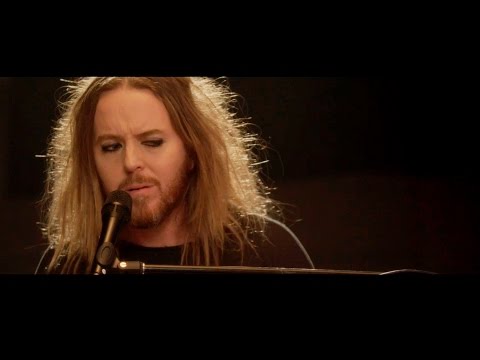
The execution follows a classic Setup-Turn-Payoff structure. The Setup (0:00-1:08) establishes a scene of beauty and control: celebrated musician Tim Minchin and the Sydney Symphony Orchestra performing a lush, familiar rendition of 'Don't Dream It's Over'. This creates a baseline of normalcy and wholeness. The Turn (1:09-1:40) is the masterful introduction of the metaphor. The music begins to disintegrate. One by one, then section by section, the musicians fall silent. The rich sound thins, becomes fragile, and eventually vanishes. Minchin’s own hands falter and stop. This isn’t just a performance choice; it is the disease made audible and visible—the loss of motor control, piece by piece. On-screen text makes the connection explicit, explaining that this is what happens as you lose the ability to move, speak, and breathe. The Payoff (1:41-2:00) is the brutal silence that follows. The absence of music is more powerful than any sound could be. This profound emptiness is where the message lands, hammered home by the stark text: 'This is Motor Neurone Disease. There is no cure, yet.' The final frame directs viewers to a website to donate, leaving them in a state of quiet reflection and emotional urgency.
The debrief for the team that created this would be overwhelmingly positive. They successfully translated a complex, terrifying disease into a universal emotional language. They proved that you can create a powerful, effective fundraising campaign without resorting to graphic or exploitative imagery. The key lesson is the power of a perfectly executed metaphor. By finding a parallel that is both intellectually clever and emotionally resonant—a symphony losing its voice—they created a piece of communication that is not only persuasive but also deeply respectful to those living with the disease.
Theme Keywords
Brand Position
The leading organization translating the difficult reality of MND into compelling human stories to drive research and support.
Brand Archetype
The Caregiver
Creative Game Plan
Visually and audibly demonstrate the relentless, progressive nature of MND by deconstructing a beautiful symphony, piece by piece, into silence.
Diagnosis: Issues & Solutions
Primary Issue: Clarity of "What's Next?"
The Problem:
The film’s most innovative feature—that donating on the website allows the viewer to see the symphony 'heal itself' and finish the song—is completely absent from the video itself. A viewer watching this on YouTube would have no idea this rewarding interactive component exists.
The Solution:
Incorporate a simple line of text in the final call-to-action, such as: 'Donate to hear the music play on.' This would hint at the interactive reward, better incentivizing click-through and action without disrupting the somber tone.