Joy to the World - Ad Analysis

AI Editor notes
Straight from the gut!!
“This is textbook holiday fundraising. The cute kid singing is a well-worn path, but it's used effectively here. It’s safe, predictable, and emotionally manipulative in the way all good charity ads are. It won't win any awards for groundbreaking creative, but it absolutely does its job: making you feel the holiday spirit and nudging you toward the donate button. It's a solid, if forgettable, piece of seasonal marketing.”
Quick Summary
By pairing the earnest, simple voice of a child singing a beloved carol with vignettes of its tangible work, The Salvation Army effectively transforms the abstract feeling of holiday 'joy' into a direct result of giving. The ad's core message is that a donation isn't just money—it's food, shelter, community, and hope.
Executive Summary
The Salvation Army’s “Joy to the World” spot is a masterclass in classic, heartfelt fundraising. It eschews complex narratives for a direct and emotionally potent formula, understanding that during the holidays, a familiar melody and a clear purpose can be more powerful than groundbreaking creative. The ad operates on a simple, deeply ingrained human truth: the joy of the season is most profoundly felt through the act of giving.
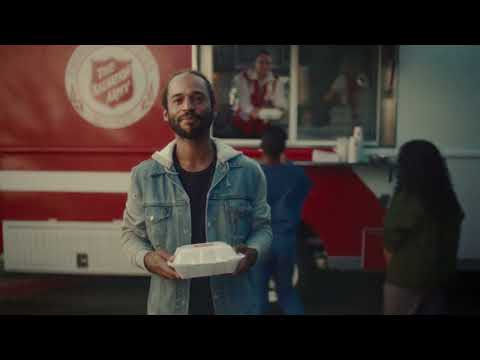
The creative agency, LERMA/, built the campaign on the insight that the world feels heavy, and even helping others can feel like a burden. [2] The goal was to reframe giving as an act of joy. The execution follows a classic AIDA (Attention, Interest, Desire, Action) model. It grabs Attention immediately with an authentic hook: a young boy’s solo, slightly imperfect rendition of a beloved Christmas carol. This feels genuine and disarming. Interest is built through a rapid montage showcasing the breadth of The Salvation Army’s services—food, shelter, community programs. Each vignette is a quick proof point, visually answering the question, “Where does my money go?” The boy’s voice serves as the emotional thread, connecting these disparate acts of service under a single theme. The ad cultivates Desire by showing the results of this giving: the smile on a man’s face as he receives a meal, the delight of a child with a new toy. The swelling music and shots of the choir create a powerful sense of communal uplift, making the viewer want to be part of this circle of joy. Finally, the Action is prompted as money drops into the iconic red kettle, followed by the clear on-screen call to action with a URL. [2, 11] The final shot of the volunteer’s hand on the boy’s shoulder provides the emotional payoff, symbolizing the shared humanity at the heart of the transaction.
The debrief for the team is that for a legacy brand with a clear mission, leaning into tradition is not a weakness. This ad doesn't try to be clever or edgy. It focuses on executing a simple emotional concept with polish and sincerity. The casting of the boy is crucial; his earnestness is the anchor for the entire spot. The campaign proves that in the non-profit sector, reinforcing core brand values and providing a clear emotional reward for the donor is a reliable strategy for success.
Theme Keywords
Brand Position
The most trusted and tangible way to provide hope and essential services to those in need in your community.
Brand Archetype
The Caregiver: Compassionate, dependable, and community-focused.
Creative Game Plan
Connect the abstract feeling of holiday joy directly to the tangible impact of donating to The Salvation Army.
Diagnosis: Issues & Solutions
Primary Issue: Strategic Sense
The Problem:
The ad's creative is highly traditional and feels optimized for a television viewing experience. In a fast-scrolling social media feed, the slow, gentle opening with the boy singing may not be a strong enough hook to stop a viewer's thumb, risking the ad being skipped before the core message is delivered.
The Solution:
Develop a social-first cut that opens with a more dynamic visual from the montage—such as the close-up of the meal being served or the girl hugging the bear—paired with a provocative text overlay like 'This is what joy looks like.' This would grab attention immediately before transitioning into the emotional narrative.
Secondary Issue: Emotional Connection
The Problem:
The rapid montage of vignettes, while effective at showing scope, prevents the viewer from forming a deep connection to any single story. The people being helped are presented as quick archetypes of need rather than individuals with stories, which can slightly dilute the emotional impact.
The Solution:
For a digital extension of the campaign, create longer-form content (60-90 seconds) that focuses on the backstory of just one person from the montage. Tell the young man's journey to the shelter or the family's story behind receiving the box of food to build a more profound and memorable emotional connection.