Something is wrong - Rapunzel Fail - Ad Analysis

AI Editor notes
Straight from the gut!!
“This is a smart piece of work. It’s exactly how a PSA should be done. It grabs you with a familiar premise, makes you laugh with the bait-and-switch, and lands the point cleanly. You remember the gag with the dog, and the message sticks with it. It’s sharable, clever, and respects the audience's intelligence. For a film school project, this is top-tier thinking.”
Quick Summary
This ad uses a clever, humorous parody of the Rapunzel fairy tale to deliver a simple and memorable message: counterfeit products are a disappointing imitation of the real thing. By setting up a familiar story and subverting the expectation with a comedic twist—revealing Rapunzel is an Afghan Hound—it makes the point that fakes will always let you down, without being preachy or boring.
Executive Summary
This German PSA from APM is a strong example of how to make a typically dry subject—the perils of product piracy—engaging and memorable. It wisely avoids scare tactics or preachy monologues in favor of a universally understood narrative framework: the fairy tale. The core strategy hinges on a classic bait-and-switch, leveraging humor to land its point.
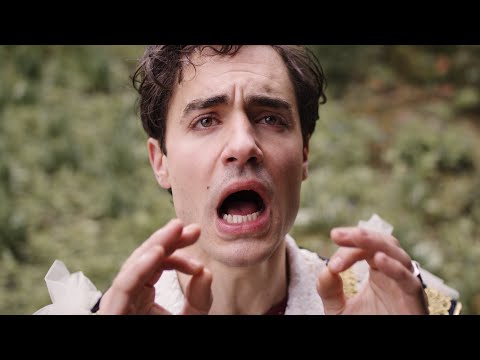
The ad’s effectiveness is rooted in its simple, three-act structure: Setup, Turn, and Payoff. The Setup meticulously recreates the iconic scene from Rapunzel. We see a prince, a tower, and hear the familiar call, 'Rapunzel, let down your hair!' The production value is high, lulling the audience into expecting a straightforward retelling. This initial phase is crucial for establishing a baseline of expectation.
The Turn begins subtly with the prince’s growing frustration, shifting the tone from romantic to comedic. The true turn, however, is the cut to the tower's interior. The reveal of an Afghan Hound named 'Rapunzel' is the comedic climax. This visual punchline completely subverts the audience's expectations. The humor works because the analogy is instant: we were promised a princess with long hair, and we got a dog with long hair. It’s an imposter, a fake.
The Payoff is delivered with clean, direct on-screen text: 'Works better with the original. Fake products will let you down.' This text acts as the bridge, explicitly connecting the fairy tale parody to the real-world message about counterfeit goods. By the time the APM logo appears, the message has been fully delivered. The audience understands that the feeling of being let down by a fake Rapunzel is the same feeling they should associate with a fake product.
What the team should learn from this is the power of analogy in communication. Instead of telling people counterfeits are bad, the ad shows them the absurdity and disappointment of an imitation. For a social media context, this approach is far more effective and sharable than a direct, informational appeal. It proves that even with a modest budget, a clever idea rooted in a shared cultural story can cut through the noise.
Theme Keywords
Brand Position
The authoritative German advocate for the value and integrity of original products.
Brand Archetype
Sage
Creative Game Plan
Dramatize the inherent disappointment of a counterfeit product by subverting a universally known cultural story.
Diagnosis: Issues & Solutions
Primary Issue: Clarity of "What's Next?"
The Problem:
The ad successfully raises awareness and makes an emotional point but fails to provide any clear next step. The viewer is left with the message but no tool or direction to act on it, such as a website to learn how to spot fakes.
The Solution:
Incorporate a simple, memorable URL or hashtag in the final frame (e.g., 'markenpiraterie-apm.de' or '#BuyReal') to give engaged viewers a clear path to more information and resources.
Secondary Issue: Strategic Sense
The Problem:
The ad is supported by major brands like Volkswagen and Coty (as seen in the end card), but their presence is divorced from the creative. This misses an opportunity to make the threat of counterfeiting more tangible and specific.
The Solution:
A future execution could subtly feature a fake version of a sponsor's product within the narrative—for instance, the prince's boots could comically fall apart—to ground the abstract danger of 'fakes' in a concrete, relatable product failure.