PETA - Get a Feel For Angora - Ad Analysis

AI Editor notes
Straight from the gut!!
“This is textbook PETA: confrontational, uncomfortable, and impossible to ignore. The misdirect is smart, lulling you into what feels like an art-house film before the gut punch. It’s brutal, and the rabbit's screams are genuinely hard to listen to. It's not trying to win friends; it's trying to sear a message into your brain. You'll think twice before buying angora after this.”
Quick Summary
This ad forces viewers to confront the cruelty behind angora wool by creating a visceral analogy. It masterfully uses the familiar, chosen pain of waxing as a setup, only to pivot to the far more horrific, non-consensual suffering of rabbits, making an abstract ethical issue feel personal and unforgettable.
Executive Summary
PETA’s 'Get a Feel For Angora' is a textbook example of how to make an invisible problem feel urgent and personal. Its success lies not just in its shock value, but in its carefully constructed narrative that manipulates viewer expectations before shattering them. The core insight is simple: we understand our own pain far more readily than we do an animal's. The ad leverages this by building its foundation on a relatable human experience—a cosmetic wax—to serve as a bridge to an unrelatable horror.
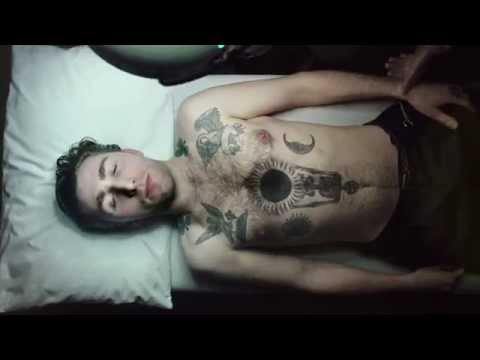
The execution follows a classic Setup-Turn-Payoff structure. The Setup (0:00-0:43) is a masterclass in tension. Director Olivier Venturini uses high-contrast, clinical lighting and extreme close-ups to create an atmosphere of dread. [4] We see diverse individuals in a vulnerable state, their faces a canvas of apprehension. The meticulous shots of hot wax being applied feel both intimate and menacing. The sound design, with its low pulse and visceral foley, amplifies the sense of impending pain. At this point, the viewer is hooked by a simple question: what is happening here?
The Turn (0:44-0:51) is where the ad's strategic brilliance is unleashed. The montage of silent screams from the waxing is immediately contextualized with the title card: 'IT'S EVEN MORE PAINFUL'. This is the first half of the reveal. The second, 'WHEN IT'S NOT YOUR CHOICE', lands just as the film cuts to the grainy, undercover footage of a rabbit being violently plucked. The juxtaposition is jarring and profound. The contrast between the cinematic, almost beautiful depiction of chosen human pain and the raw, lo-fi reality of the rabbit's torture is the film's central argument. [4] The rabbit's high-pitched scream, an audio cue the director knew was vital, becomes the soundtrack to the horror. [4]
The Payoff (0:52-1:02) is a direct, unambiguous command: 'DON'T BUY ANGORA'. Having just been put through an emotional wringer, the viewer is left with a clear directive. The brand, PETA, is positioned as the whistleblower. The decision to end on the raw footage, with the rabbit’s screams continuing over the logo, ensures the feeling of discomfort lingers long after the ad is over. This isn't an ad that seeks to be liked; it seeks to be remembered. For a team focused on advocacy, the lesson is that a powerful analogy, grounded in a shared human experience, can be the most effective way to make an audience truly feel the importance of a cause.
Theme Keywords
Brand Position
The uncompromising, frontline fighters exposing animal cruelty in all its forms.
Brand Archetype
Rebel
Creative Game Plan
Make the abstract horror of animal cruelty tangible by analogizing it to a familiar form of human pain, then reveal the animal's suffering is infinitely worse.
Diagnosis: Issues & Solutions
Primary Issue: Emotional Connection
The Problem:
The primary risk of such extreme shock advertising is audience rejection. The graphic nature of the final act, particularly the authentic audio of the rabbit's screams, may cause viewers to immediately tune out or dismiss the ad as overly manipulative, potentially blocking the core message from being internalized.
The Solution:
To mitigate immediate tune-out, the transition could be slightly buffered. For instance, a momentary black screen after the human screams before cutting to the rabbit might give the viewer a split second to process the first half of the message, potentially making them more receptive to the difficult footage that follows.
Secondary Issue: Clarity of "What's Next?"
The Problem:
The call to action is a prohibition ('Don't buy'), which is a passive directive. For viewers who are shocked into wanting to act, the ad doesn't provide a next step to channel their outrage, such as sharing the video or signing a petition.
The Solution:
A secondary, empowering call to action could be added to the final frame. Including a simple URL like 'PETA.org/Act' or a hashtag like '#BanAngora' would provide a clear path for engaged viewers to take immediate, tangible action and amplify the campaign's reach.
Additional Notes
Related Links
Credits
Share this Analysis
More PETA (People for the Ethical Treatment of Animals) ad breakdowns
- “Hermès Birkin” DIY Tutorial🩸PETA (People for the Ethical Treatment of Animals)
- Jason Biggs Loves SeaWorld So Much! He Just Loves It!PETA (People for the Ethical Treatment of Animals)
- 'Thanks!'—An Animated Trip to Holiday SlaughterPETA (People for the Ethical Treatment of Animals)
- WHAT? THIS MOTEL IS BANNING VEGANS? (Full Version)PETA (People for the Ethical Treatment of Animals)
- Boyfriend Went Vegan | PETAPETA (People for the Ethical Treatment of Animals)
- Sharpen Your SwordPETA