Paulo’s wish - Ad Analysis
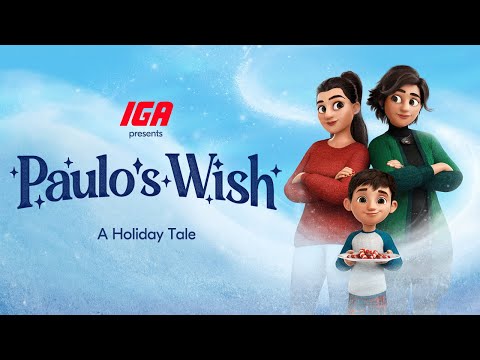

AI Editor notes
Straight from the gut!!
“Finally, a holiday ad that feels earned. Instead of just showing a happy family, they show a broken one and how it gets fixed. The 'food fight' montage is a smart, charming way to show reconciliation without cheesy dialogue. It's a classic Pixar-style emotional play, but for a regional grocery store, the execution is top-tier. This is how a challenger brand with a smaller budget outmaneuvers the giants—with a better story.”
Quick Summary
This ad reinforces the powerful, universal insight that food is a language of its own—a way to express love, memory, and forgiveness when words fail. By telling a relatable story of family estrangement and reconciliation, IGA positions itself not just as a place to buy ingredients, but as an essential partner in the meaningful moments that connect us, making the brand synonymous with the emotional heart of the holidays.
Executive Summary
IGA's 'Paulo's Wish' is a masterclass in emotional brand building, leveraging a familiar holiday advertising format—the animated short film—to deliver a message that feels both timeless and deeply personal. In a category often defined by price wars and weekly flyers, this ad makes a strategic choice to compete on a different battlefield: the heart. It successfully positions IGA as more than a supermarket, framing it as an integral part of the fabric of family life and its most important traditions.
The core insight is simple and powerful: food is a conduit for emotions that are too difficult to speak aloud. The ad understands that a shared meal, or even just a familiar recipe, can be an apology, an olive branch, and a declaration of love all at once. This truth is what gives the story its universal appeal, transcending its regional Canadian setting. [13]
The execution follows a classic Setup-Turn-Payoff structure. The Setup uses a nostalgic VHS filter to efficiently establish the sisters' deep childhood bond over baking, immediately followed by the jarring shatter of a dish and their present-day estrangement. This creates a powerful emotional problem to be solved. The Turn is the ad's most creative element: the silent, back-and-forth exchange of food. This montage is the engine of the story, showing the sisters' gradual thawing without a single word of dialogue. It’s a brilliant depiction of them 'saying it with food.' The Payoff is perfectly orchestrated. When they both appear with the same candy cane cookies, it symbolizes their return to the pure, uncomplicated love of their childhood. The final hug and family meal provide a deeply satisfying emotional release, perfectly teeing up the brand's tagline. The animation by Tonic DNA is crucial here, using a desaturated, cold palette for the conflict and gradually reintroducing warmth and color as the relationship mends—a subtle but effective storytelling device. [8]
The debrief for the marketing team is clear: long-term investment in a consistent creative platform pays off. This is the third such collaboration between IGA, Sid Lee, and Tonic DNA, and the confidence shows. [2] They've built an annual holiday tradition that audiences anticipate, much like the John Lewis ads in the UK. By focusing on storytelling over product, they create a powerful brand halo that a 15-second spot about discounted turkey could never achieve. The campaign proves that for seasonal advertising, owning an emotion is more valuable than owning a price point.
Theme Keywords
Brand Position
IGA is the grocer that understands and facilitates the emotional power of food to connect families.
Brand Archetype
The Caregiver
Creative Game Plan
Tell a universal story of family reconciliation where food becomes the unspoken language of forgiveness.
Diagnosis: Issues & Solutions
Primary Issue: Strategic Sense
The Problem:
The brand integration, while subtle and tasteful, is almost entirely back-loaded into the final five seconds. A competitor's logo could conceivably be swapped in with minimal disruption to the preceding 85 seconds, slightly weakening the brand's ownership of the narrative.
The Solution:
Subtly weave the brand into the story's fabric earlier. For example, one of the food packages left on the porch could have been in a recognizable IGA-branded bag or container. This would reinforce the brand as the enabler of the reconciliation without breaking the emotional spell.
Secondary Issue: Clarity of "What's Next?"
The Problem:
The ad does a phenomenal job of making the viewer feel something, but a less-than-obvious job of telling them what to do. While an overt CTA would be wrong, the connection between the film and a real-world action is only made clear through supporting media about the in-store charity component. [13]
The Solution:
In the YouTube description or an end-card annotation, provide a direct link to the cookie recipe featured in the ad or information on the 'La Guignolée' food drive. This would bridge the gap between emotional engagement and tangible brand interaction.