#NoLostGeneration, Some stories were never meant for children - Ad Analysis

AI Editor notes
Straight from the gut!!
“This is a punch to the gut. The bait-and-switch from a whimsical storybook opening to the cold reality of a child's fear is brutally effective. It's deeply uncomfortable to watch, which is exactly the point. It bypasses the compassion fatigue we get from seeing news reports and makes the issue feel immediate and human. It’s hard to forget her voice.”
Quick Summary
By wrapping a 7-year-old refugee's raw, terrifying testimony in the beautiful, deceptive skin of an animated fairytale, the ad forces the viewer to confront a story too horrific for children, making the abstract concept of a 'crisis' deeply personal and impossible to ignore.
Executive Summary
UNICEF's 'Malak and the Boat' is a masterstroke of strategic communication, a piece that understands that to break through compassion fatigue, you can't just shout louder—you have to change the language entirely. This film, part of the 'Unfairy Tales' campaign from agency 180LA, reframes the Syrian refugee crisis not as a distant news story, but as a dark fairytale that has come horribly to life. It's a textbook example of using creative dissonance to create meaning and emotional impact.
The Core Insight here is that the true stories of child refugees are more terrifying than any fictional horror story, and that stripping a child of their innocence is a universal tragedy. The world had become numb to the numbers and images associated with the conflict. The insight is that a personal, unfiltered testimony, especially from a child, can re-sensitize an audience by making the incomprehensible feel personal.
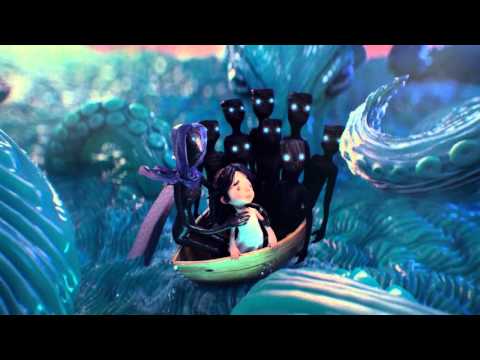
The execution follows a classic Setup-Turn-Payoff structure. The Setup is a deliberate misdirection: a beautiful, starry night, whimsical music, and a storybook title card, 'Malak and the Boat.' We are primed for a children's adventure. The Turn is swift and brutal. It’s not the visuals that change, but the audio. The moment we hear the real Malak's voice—not a polished voice actor, but a child speaking in Arabic—the fairytale shatters. She speaks of fear, of the cold, of water filling the boat. The animated sea, which at first seemed like a fantasy element, is now a clear metaphor for a deadly real-life passage. The shadowy figures in the boat are not companions, but faceless, ominous presences. The Payoff is twofold and devastating. First, the animated sea morphs into a monstrous creature, the physical manifestation of her fear of drowning. Second, and most powerfully, the animation dissolves to reveal the real Malak. The line 'Some stories were never meant for children' lands, followed by Malak introducing herself. This reveal doesn't just ask for empathy; it demands it by closing the gap between the stylized story and the human source of it.
The Debrief for the team is clear: creative risk pays off when it's in service of a powerful truth. The decision to use animation was not a gimmick; it was a strategic choice to make an unbearable story watchable. It allowed the audience to engage with the narrative without the immediate defense mechanisms that graphic live-action footage can trigger. The real lesson is that authenticity of voice, when paired with a compelling creative framework, can transform a generic social issue into an unforgettable human story that commands attention and inspires action.
Theme Keywords
Brand Position
The indispensable global protector of children caught in crisis.
Brand Archetype
Caregiver
Creative Game Plan
Juxtapose the innocence of fairytale animation with the horrifying, real-life testimony of a child refugee to make the Syrian crisis emotionally resonant and unignorable.
Diagnosis: Issues & Solutions
Primary Issue: Emotional Connection
The Problem:
The film's primary strength—its intense emotional weight—can also be a barrier. For some viewers, the subject matter is so distressing that they may emotionally disengage or avoid sharing the content to shield others from the discomfort.
The Solution:
Focus distribution on platforms and contexts where audiences are more receptive to challenging content. Accompany the film with supplementary materials (like 'making of' clips or interviews) that provide emotional relief and a sense of hope by showing what UNICEF is doing on the ground, channeling the viewer's raw emotion toward a constructive outcome.
Secondary Issue: Clarity of "What's Next?"
The Problem:
The call-to-action is a standard end card with a URL. While clean, it's a passive request that relies solely on the emotional momentum built by the film to drive clicks and donations. It misses an opportunity for a more direct and urgent appeal.
The Solution:
On digital platforms, utilize interactive overlays or end-screen annotations that link directly to a donation page. Test versions with a slightly more urgent text-based CTA, such as 'Help a child like Malak today,' to create a more immediate link between her story and the viewer's potential action.
Additional Notes
Related Links
Credits
Share this Analysis
More UNICEF ad breakdowns
- Watch what happens when parents join children to play | UNICEFUNICEF
- UNICEF 'Granatapfel'UNICEF
- Violence marks forever - Join David Beckham and end violence against childrenUNICEF
- Adrenaline ExperimentUNICEF
- These parrots will make you say WTF | UNICEFUNICEF
- Millie Bobby Brown: Go Blue on World Children’s Day | UNICEFUNICEF
- The Greatest Story - The Good Guys Christmas - Eng - Unicef SwedenUNICEF
- Can Someone Find My Friends | Donate Your VoiceUNICEF