Nat Geo Wild - Sandstorm - Ad Analysis

AI Editor notes
Straight from the gut!!
“This is a confident, almost arrogant piece of work. It’s a direct shot across the bow at the entire entertainment industry's reliance on CGI and celebrity drama. The voiceover is dripping with sarcasm, and it works because the visuals are so undeniably real and powerful. Is the 'inside baseball' critique of filmmaking a bit too niche for a mainstream audience? Maybe, but for their core demo, it’s a rally cry.”
Quick Summary
By sarcastically dismissing the entire contrived process of Hollywood filmmaking, this ad powerfully positions Nat Geo Wild as the definitive home for authentic, unscripted reality, arguing that nothing manufactured can compete with the genuine awe of the natural world.
Executive Summary
In an era saturated with CGI-laden blockbusters and manufactured reality television, DDB Paris delivered a campaign for Nat Geo Wild that serves as both a mission statement and a confident jab at the competition. The 'Sandstorm' spot doesn't just sell a television channel; it sells a philosophy: authenticity is the ultimate spectacle. The core insight is simple yet potent: the raw, unpredictable power of the real world is far more compelling than any story Hollywood could script or render. People have an innate craving for the genuine, and this ad positions Nat Geo Wild as the sole purveyor of that truth.
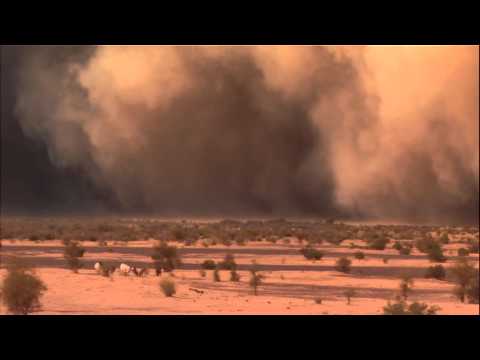
The execution follows a classic Hook-Value-Proof structure. The hook is the immediate, breathtaking visual of the massive sandstorm rolling across the desert—an image so cinematic it almost looks fake, which is precisely the point. The value proposition is delivered through the brilliantly cynical voiceover, which systematically dismantles the artifice of film production: the writers' rooms, the celebrity casting, the phony press interviews. This narration creates an 'in-group' with the viewer, sharing a disdain for the manufactured. The proof is the footage itself. The sight of the lone photographer standing firm as he is engulfed by the storm is the irrefutable evidence that validates the ad's entire premise. This isn't an actor on a green screen; it's a real person experiencing a real, terrifying, and awesome event. The final tagline, 'Nothing is as powerful as reality,' isn't just a slogan; it's the conclusion of a well-argued visual essay.
The debrief for any brand team watching this is clear: your most powerful asset is your core truth. Nat Geo Wild resisted the temptation to mimic the dramatic tropes of its entertainment rivals. Instead, it leaned into its fundamental differentiator—unfiltered reality—and turned it into a weapon. By defining itself by what it is not (scripted, cast, fake), it makes an incredibly strong case for what it is. It’s a lesson in how to build brand equity not by following trends, but by confidently rejecting them in favor of your own authentic story.
Theme Keywords
Brand Position
The ultimate destination for raw, unfiltered, and powerful reality.
Brand Archetype
The Explorer
Creative Game Plan
Prove that the unscripted drama of the natural world is far more compelling than any fictional story Hollywood can produce.
Diagnosis: Issues & Solutions
Primary Issue: Clarity of "What's Next?"
The Problem:
The ad brilliantly sells the brand's philosophy but offers no clear, immediate path for the viewer to act on that newfound belief. It builds immense brand affinity without channeling it toward a specific tune-in or engagement.
The Solution:
After the main tagline, a simple end-card could have added a tangible next step, such as 'See more powerful reality on the new season of [Show Name], Tuesdays at 9,' or 'Explore more at NatGeoWild.com.' This would convert philosophical agreement into measurable action without diluting the core message.
Secondary Issue: Emotional Connection
The Problem:
The primary emotion is awe, which is powerful but can be distant. The ad showcases the spectacle of nature but keeps the human and animal subjects at an arm's length, presenting them as figures in a grand landscape rather than characters in a story.
The Solution:
Future campaigns could seek out moments where this powerful reality intersects with a more relatable emotion—the fear in an animal's eye, the triumph of a researcher. This would bridge the gap from purely 'spectacular' to 'spectacular and empathetic,' broadening the emotional palette.