PSA | Spoiled Rotten Pets - Ad Analysis

AI Editor notes
Straight from the gut!!
“This is smart. Really smart. Instead of another generic 'look at these wacky pet owners!' promo, they went for a high-concept parody. It assumes the audience is media-savvy enough to get the joke, and it pays off. The deadpan execution is perfect. It's the kind of ad that makes you respect the brand's creative instincts. Solid, confident work.”
Quick Summary
The effectiveness of this ad comes from its brilliant, pitch-perfect parody of the iconic, emotionally heavy ASPCA PSAs. By leveraging that well-known cultural format and twisting it with absurdly luxurious 'problems,' Nat Geo Wild created a memorable, funny, and highly effective promo that instantly communicates the show's lighthearted premise.
Executive Summary
This Nat Geo Wild promo is a textbook example of how to use parody effectively. It doesn’t just borrow a format; it understands the source material’s DNA—the somber piano, the earnest spokesperson, the heart-wrenching close-ups—and uses that familiarity to build a powerful comedic punchline. The core strategy is built on a simple, yet clever, bait-and-switch.
The Core Insight is that while many people are moved by animal welfare causes, the subculture of extreme pet pampering provides a rich territory for lighthearted entertainment. The ad leverages the audience's deep familiarity with the visual and auditory language of animal suffering, a language largely defined by the famous Sarah McLachlan ASPCA commercials. By tapping into this shared cultural knowledge, the ad creates an immediate cognitive shortcut for the viewer.
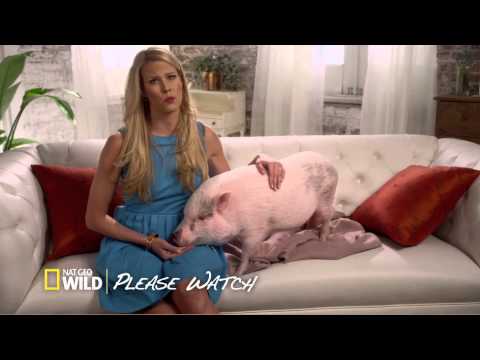
The Execution follows a classic Setup–Turn–Payoff structure. The Setup (0:00-0:08) is a flawless recreation of a sad PSA. We get the slow, melancholic piano music and a close-up of a 'neglected' dog. The voiceover's tone is grave and serious. The Turn (0:08-0:15) arrives with the reveal of the 'problems': a dog sleeping on inferior cotton sheets, a pony missing a mane-braiding during its pedicure, and a cat eating sushi without proper utensils. This is the comedic engine of the ad—the jarring contrast between the serious presentation and the absurdly trivial content. The joke lands because the execution of the setup was so convincing. The Payoff (0:16-0:28) is delivered by the host, Beth Stern. She maintains the PSA's serious tone, which enhances the humor, and delivers the direct call-to-action: watch the show to learn how to better 'spoil' your pet. The final title card, with the show's name and tune-in details, solidifies the ad's commercial purpose, leaving the viewer with a clear understanding of what is being advertised and a smile on their face.
The Debrief for the creative team is clear: high-concept parody works when it's executed with precision and respects the audience's intelligence. Instead of simply telling viewers the show is funny, this promo is funny. It demonstrates the product's tone rather than describing it. It also shows that a brand can successfully step outside its typical voice (in Nat Geo's case, often educational or serious) to promote a specific product, provided the creative is strong enough to stand on its own.
Theme Keywords
Brand Position
The premier destination for high-quality, entertaining programming for animal lovers.
Brand Archetype
Explorer (core brand) with a touch of the Jester (for this campaign).
Creative Game Plan
Parody the most iconic animal PSA in modern culture to launch a show about the complete opposite: ridiculously over-the-top pet pampering.
Diagnosis: Issues & Solutions
Primary Issue: Emotional Connection
The Problem:
The primary risk is that the parody, by mimicking the format of genuine animal suffering PSAs, could be misinterpreted by a small segment of the audience as being insensitive or making light of a serious issue.
The Solution:
Cast a host like Beth Stern, who is a well-known and credible animal welfare advocate in her own right. Her presence acts as an implicit endorsement, signaling to viewers that the parody is good-natured and comes from a place of love for animals.
Secondary Issue: Strategic Sense
The Problem:
The joke's effectiveness is heavily dependent on the viewer's familiarity with the original ASPCA ads. If someone has never seen them, the humor might not land with the same impact, potentially just seeming strange.
The Solution:
Ensure the 'problems' shown are so visually absurd (a cat eating sushi, a duck in a bathtub) that they are funny on their own, even without the context of the parody. This provides a secondary layer of humor that doesn't rely solely on the reference.