SYFY - CEMETERY - Ad Analysis

AI Editor notes
Straight from the gut!!
“This is smart. Really smart. It's not trying to sell me a specific show. It's selling an identity. It respects the audience enough to know they'll get the joke. Who is this for? It's for people so steeped in genre that a zombie attack is less terrifying and more of an inconvenient plumbing issue. It feels authentic to fan culture. Solid, clever work that makes the brand feel cool and self-aware.”
Quick Summary
This ad's success lies in its core insight: true science-fiction fans don't just watch the genre, they see its patterns and tropes everywhere in their daily lives. By turning a classic horror movie setup into a moment of mundane, deadpan humor, the ad creates a clever 'in-joke' that makes its niche audience feel deeply understood, positioning SYFY not just as a channel, but as the home for a shared fan identity.
Executive Summary
This SYFY spot from BETC Paris is a masterclass in audience-centric branding. It operates on a simple, powerful human truth: for true enthusiasts, a passion isn't just a hobby, it's a lens through which they view the world. The ad demonstrates a deep understanding of the science-fiction fan, positioning SYFY as a fellow conspirator in a world that doesn't always get their obsession.
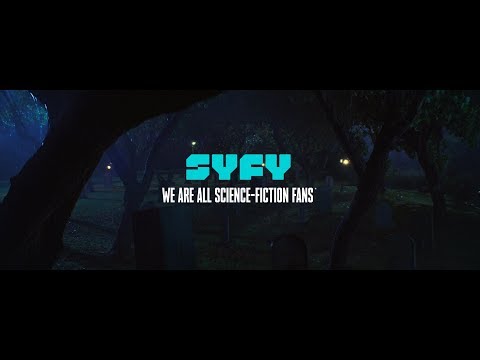
The execution follows a classic bait-and-switch structure, engineered for maximum comedic impact. It opens with a meticulously crafted horror movie Setup. For the first 20 seconds, every element—the stormy night, the gliding camera through a cemetery, the dramatic music, the hand bursting from the grave—adheres perfectly to the genre's visual language. This builds genuine tension and audience expectation for a horror payoff. The Turn is the critical pivot where the ad reveals its true intention. When the victim, covered in mud, holds up his mangled, zombified arm, he doesn't scream; he complains with the exasperated tone of someone dealing with a car that won't start: "Well, it's completely dead." This line instantly shatters the horror trope and replaces it with absurd, mundane reality. The Payoff is delivered by the unimpressed plumber's reaction ("Not funny") and the on-screen text: "You see science-fiction everywhere. Us too." This final beat confirms the ad's thesis—this entire horror scenario was just the internal monologue of a sci-fi fan, and SYFY is the one brand that understands. The humor isn't broad; it's a specific, knowing wink that creates a powerful 'in-group' feeling.
The key lesson from this ad is the value of speaking your audience's secret language. Instead of just showing clips of its programming, SYFY chose to dramatize the fan experience itself. It doesn't say 'We have sci-fi shows'; it says 'We are sci-fi fans, just like you.' This shift from showing the product to embodying the culture around it is what makes the ad so effective and ownable. It builds brand love, not just awareness, by making its audience feel seen and celebrated.
Theme Keywords
Brand Position
The definitive home for people who see the world through a science-fiction lens.
Brand Archetype
The Jester (subverting expectations with wit) and The Sage (demonstrating deep genre knowledge).
Creative Game Plan
Demonstrate that we are the one brand that truly understands how a science-fiction fan's imagination colors their perception of everyday life.
Diagnosis: Issues & Solutions
Primary Issue: Emotional Connection
The Problem:
The ad's reliance on dry, deadpan humor is its greatest strength but also a potential limitation. It creates a feeling of intellectual camaraderie but stops short of evoking deeper emotions like wonder, awe, or shared joy, which are also core to the science-fiction experience.
The Solution:
Complement this spot with another in the campaign that uses the same 'You see sci-fi everywhere' premise but pivots to a moment of genuine wonder or beauty—someone seeing an alien ship in a cloud formation or finding an epic fantasy landscape in a normal park.
Secondary Issue: Clarity of "What's Next?"
The Problem:
As a pure brand piece, the ad intentionally lacks a hard call-to-action. While effective for building brand affinity, it misses an opportunity to channel the viewer's engagement toward a tangible behavior.
The Solution:
A simple, non-intrusive end card after the main tagline could have added a next step, such as 'New season of [Flagship Show] starts Friday' or a URL to a fan community hub, converting brand love into potential viewership.