Based on a True Story - Ad Analysis

AI Editor notes
Straight from the gut!!
“This is uncomfortable to watch in the best possible way. We've all binged true-crime podcasts and docuseries without thinking twice about the editorial filtering that decides which victims are 'marketable.' Watching actors dissect real missing kids like raw script treatments hits like a punch to the throat. It's sharp, deeply biting, and refuses to let the viewer off the hook.”
Quick Summary
True crime entertainment has turned human tragedy into casual spectacle; by satirizing the ruthless commodification of real cases in a writers' room, Missing People forces audiences and creators to confront the collateral human damage of sensationalized storytelling.
Executive Summary
The Core Insight: Modern media consumers have developed a voracious appetite for true crime, consuming real-life trauma as serialized entertainment. In doing so, society has applied narrative filters to missing person cases—prioritizing stories that are 'cinematic,' sensational, or demographically convenient, while ignoring those that do not fit standard storytelling tropes. The core insight is that commercializing tragedy inevitably dehumanizes the victims and marginalizes the families left behind.
The Execution: The spot uses a classic Setup–Turn–Payoff structure set entirely within a television writers' room.
-
Setup: The scene opens on a team of television writers struggling to pitch a pilot for an episodic true-crime drama. The dialogue deliberately mimics the creative process—debating pacing, genre cliches, and target demographics. The writers casually toss aside missing persons profiles because a case 'lacks a body,' 'isn't sexy,' or involves demographics that focus groups allegedly won't sympathize with. The performances are naturalistic and darkly comedic, pulling the audience into the familiar rhythm of a television pitch meeting.
-
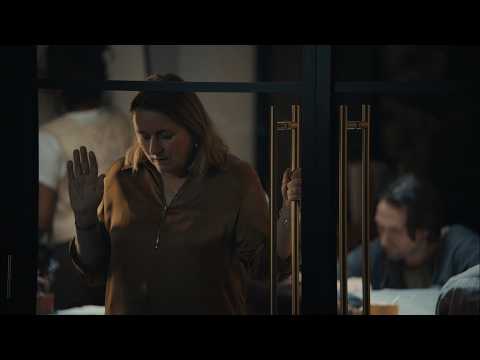
Turn: When the pizza arrives, the room abruptly moves on, casually treating these lives as disposable ideas that failed to make the cut. The camera glides past the partition into an adjacent viewing area, revealing real families standing silently, holding actual photographs of their missing relatives (including recognizable figures like Kevin Gosden holding a photo of Andrew Gosden).
-
Payoff: The silent, stoic presence of the families collapses the satirical fiction. The on-screen text delivers the core thesis: 'These are all real stories. To us, they're never entertainment.' The ad closes with an introduction of the Responsible Narratives Charter, urging both creators and the public to pledge respect in how missing persons are represented.
The Debrief: This campaign demonstrates how a charity can capture attention by holding a mirror up to cultural habits rather than relying on traditional pity-based fundraising. By adopting the aesthetic and satirical language of the entertainment industry, Missing People forces the viewer to interrogate their own viewing habits, successfully elevating the charity from a helpline service to an agenda-setting cultural advocate.
Theme Keywords
Brand Position
The compassionate advocate and moral compass ensuring that missing persons remain treated as vulnerable human beings rather than narrative commodities.
Brand Archetype
Caregiver / Sage
Creative Game Plan
Dramatize the callous editorial filtering of television production to expose the moral bankruptcy of treating real human disappearances as consumer entertainment.
Diagnosis: Issues & Solutions
Primary Issue: Clarity of "What's Next?"
The Problem:
The transition from the emotional high point of confronting real families to signing an online industry charter creates a slight cognitive disconnect for casual viewers.
The Solution:
Include a clearer dual call-to-action on screen that explicitly distinguishes how everyday viewers should alter their consumption habits versus what industry creators are asked to sign.
Secondary Issue: Strategic Sense
The Problem:
At over four minutes in length, the full-length narrative relies heavily on uninterrupted viewing, risking drop-off on digital platforms before the family reveal.
The Solution:
Develop dedicated cutdowns that accelerate the transition to the reveal for short-form social environments without diluting the satirical bite.
Additional Notes
Credits
Share this Analysis
More Missing People ad breakdowns
- Mental Health Awareness Week 2022 - LonelinessMental Health Foundation
- The Monster Who Came to TeaWomen's Aid
- Closer to You | Ronald McDonalds House CharitiesRonald McDonald House Charities Netherlands
- The Moment You Stand | Stand Up To CancerStand Up To Cancer UK
- Proud Mistletoe 2021| #ProudMistletoeStonewall
- It's Time to Even It Up | Oxfam GBOxfam GB
- Tommy's - Projecting LifeTommy's
- #DontSayDontSend cyber bullying campaignKidscape