The Moment You Stand | Stand Up To Cancer - Ad Analysis

AI Editor notes
Straight from the gut!!
“It's a very British, very Channel 4 piece of work. It’s earnest, a bit grand, but it works. Using David Oyelowo gives it gravitas. The attempt to equate standing up for cancer with standing up for civil rights or getting a vaccine is a bit of a stretch, but I get what they’re trying to do—frame it as a defining act of our time. It’s solid, if a little predictable for the charity sector.”
Quick Summary
This ad effectively reframes the abstract idea of 'fighting cancer' into a simple, universal, and empowering physical act: standing up. By connecting this one gesture to historical progress, community, and scientific advancement, it makes a daunting challenge feel like a collective responsibility that every single person can participate in, culminating in a direct and powerful fundraising appeal.
Executive Summary
This spot from Stand Up To Cancer UK is a masterclass in elevating a fundraising appeal from a simple request for money into a sweeping statement about human progress. Directed by Greg Hackett, the ad eschews the typical tear-jerking patient testimonials for a more philosophical and empowering approach, anchored by the commanding presence of actor David Oyelowo.
The core insight is that massive, world-changing events don’t just happen; they are the result of individuals making a conscious decision to act—to 'stand up'. The ad cleverly abstracts this concept, applying it first to historical moments of social and scientific progress before narrowing its focus to the fight against cancer. This reframing is the ad's strategic masterstroke. It transforms the overwhelming and often isolating experience of cancer into a unified, accessible, and noble cause that anyone can join simply by making the choice to stand.
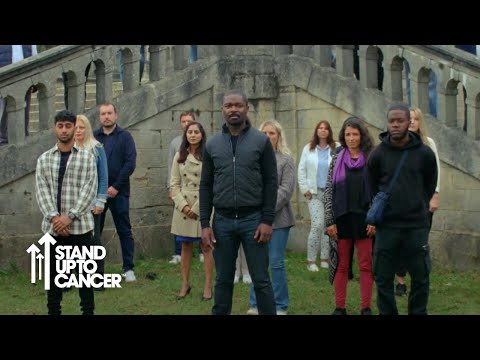
The execution follows a classic Setup-Turn-Payoff structure. The Setup (0:00-0:22) establishes the central theme, with Oyelowo's voiceover defining 'standing up' as the catalyst for 'all the good stuff that humanity has ever done.' This is illustrated with vignettes of community and care. The Turn (0:47) is the critical pivot where Oyelowo declares, 'But now it’s time to Stand Up To Cancer.' This line re-contextualizes the entire setup, focusing the grand, historical idea onto a single, urgent problem. The Payoff (0:52-1:35) is an escalating montage showing a diverse cross-section of Britain literally standing up, visually representing the collective movement. This culminates in the ultimate emotional payoff—a patient learning he is cancer-free—and the direct, actionable call to action: 'Give money. Save lives.' The visual style is cinematic and dignified, using a muted palette and natural light to create a sense of authenticity and seriousness that befits the subject matter.
The debrief for the creative team is clear: when tackling an overwhelming social issue, find a simple, universal human truth to anchor the campaign. Here, the physical act of 'standing' becomes a powerful metaphor for defiance, unity, and action. The campaign demonstrates that a fundraising ad doesn't need to solely rely on pity; it can be empowering. By framing donation not as an act of charity but as a vital contribution to a historic movement, the ad gives the audience a sense of agency and purpose, which is a far more compelling motivator.
Theme Keywords
Brand Position
The catalyst for a modern, unified, and defiant national movement to accelerate the end of cancer.
Brand Archetype
Hero
Creative Game Plan
Equate the personal decision to donate to the fight against cancer with the most significant, history-changing acts of human unity.
Diagnosis: Issues & Solutions
Primary Issue: Strategic Sense
The Problem:
The ad's opening gambit, linking the fight against cancer to major historical movements like civil rights protests, is a bold and conceptually powerful idea. However, the connection is asserted rather than deeply proven, running the risk of feeling like a rhetorical overreach for some viewers. Equating a financial donation with profound acts of physical courage could be perceived as slightly diminishing the latter.
The Solution:
The connection could be strengthened by using more specific, parallel language. For instance, the voiceover could have drawn a tighter line: 'Just as we stood up to injustice, and stood together against a pandemic, now we must stand up to cancer.' This would make the conceptual leap feel more earned and less like a general platitude.
Secondary Issue: Emotional Connection
The Problem:
While the ad is emotionally resonant, its grand, philosophical tone keeps the viewer at a slight distance for the first half. The focus on the abstract concept of 'standing up' delays the introduction of the tangible, human stakes of cancer until the second half.
The Solution:
Introduce a personal, human story earlier in the narrative. Instead of just showing a couple holding hands in a waiting room, we could have started with the close-up of the daughter waiting for news, creating a specific emotional anchor from the very beginning that the grander philosophy could then build upon.
Additional Notes
Related Links
Credits
Share this Analysis
More Stand Up To Cancer UK ad breakdowns
- Mental Health Awareness Week 2022 - LonelinessMental Health Foundation
- The Monster Who Came to TeaWomen's Aid
- Closer to You | Ronald McDonalds House CharitiesRonald McDonald House Charities Netherlands
- Proud Mistletoe 2021| #ProudMistletoeStonewall
- It's Time to Even It Up | Oxfam GBOxfam GB
- Tommy's - Projecting LifeTommy's
- #DontSayDontSend cyber bullying campaignKidscape
- #ViolenceIsViolence: Domestic abuse advert MankindManKind Initiative