Kunhadi - New Year's TVC (English) - Ad Analysis

AI Editor notes
Straight from the gut!!
“This is a gut punch. They completely avoided the twisted metal and sirens cliché, and it's so much more effective. The silence after the clock stops is genuinely chilling. The whole thing feels less like a PSA and more like a short horror film. It weaponizes guilt, which is a bold and probably smart move for this topic. It’s heavy, but it’s hard to forget.”
Quick Summary
This ad's power comes from a strategic shift in perspective. Instead of showing the familiar, gruesome car crash, it focuses on the psychological horror of the loved one left waiting at home. It makes the consequence of drunk driving feel like a slow, agonizing emotional toll on the people you care about most, not a sudden, distant tragedy.
Executive Summary
This Kunhadi PSA is a masterclass in narrative tension and emotional transference, proving that what you don't show can be far more powerful than what you do. Its core insight is profound: the real tragedy of a potential accident isn't just the event itself, but the agonizing, silent suffering of those waiting at home. The ad doesn't lecture; it forces the viewer to inhabit that suffering.
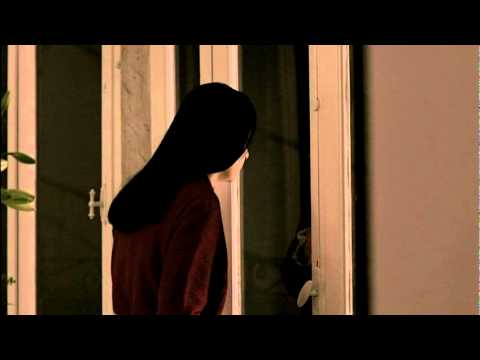
The execution follows a classic Setup-Turn-Payoff structure, driven almost entirely by sound design and editing. The Setup establishes a quiet, domestic scene filled with an undercurrent of dread. A mother is awake when she should be asleep. The hero device is introduced immediately: the incessant, amplified ticking of a clock. This isn't just background noise; it is the engine of the narrative, representing both the passage of time and the mother’s racing heart. The Turn is not a single plot twist but a gradual, torturous escalation. The editing pace quickens, mirroring the mother's growing anxiety. Quick cuts between her worried expressions, fidgeting hands, and the clock face create a claustrophobic loop of fear. The sound of the ticking accelerates, becoming frantic and unbearable, transforming a mundane object into an instrument of psychological torture. The audience is trapped in her anxiety, waiting for a release that never comes. The Payoff is the ad's most effective moment. The ticking suddenly stops, and the ensuing silence is deafening and horrific. It’s a void of information where the viewer's worst fears rush in. We don't know what happened, and neither does she. The on-screen text then delivers the intellectual and emotional resolution: 'On New Year's Eve, the countdown for your parents is much longer.' This line reframes the entire preceding sequence, giving language to the feeling the ad has so skillfully built. The final, simple call to action, 'Take a Cab,' feels less like an advertisement and more like the only sane conclusion.
The debrief for the creative team is clear. First, emotional transference is a more potent tool than graphic depiction. Making the audience feel a consequence is more effective than just showing it. Second, sound design can be the primary storyteller. Here, the clock wasn't just an element; it was the entire plot. Finally, shifting the narrative focus to a secondary victim (the parent) can be a more persuasive way to influence the behavior of the primary target (the driver).
Theme Keywords
Brand Position
The empathetic voice of conscience for road safety.
Brand Archetype
Caregiver
Creative Game Plan
Demonstrate that the true horror of drunk driving isn't the crash, but the endless, silent countdown of a parent waiting at home.
Diagnosis: Issues & Solutions
Primary Issue: Strategic Sense
The Problem:
The ad's greatest strength—its somber, heavy tone—is also a potential weakness in context. On a celebratory night like New Year's Eve, viewers may be more likely to avoid or tune out a message that feels like a 'downer,' potentially limiting its reach among the target audience at the crucial moment.
The Solution:
Optimize the media placement to run heavily in the days leading up to New Year's Eve, when plans are being made, rather than just on the night itself. This allows the message to seed before the celebratory mindset fully takes over.
Secondary Issue: Clarity of "What's Next?"
The Problem:
While "Take a Cab" is a clear instruction, the ad (a product of its time in 2011) lacks a frictionless way to execute it. Without a specific number to call or an app to tap (as would be common today), the call to action relies entirely on the viewer's own initiative and resources.
The Solution:
A contemporary version of this ad would integrate a partnership with a ride-sharing service, featuring a promo code or a direct QR link. For its original run, even a simple super like "Save a local taxi number in your phone now" would have made the action more tangible.
Additional Notes
Credits
Share this Analysis
More Kunhadi ad breakdowns
- Res.Pirator - свіже повітря вже не в модіRes.Pirator (Fictional)
- CAMPAÑA FAD 2013 - Spot chica 30"Fad (Fundación de Ayuda contra la Drogadicción)
- Don't let speed change youBruxelles Mobilité
- Jack's StoryNational Drowning Prevention Alliance
- Random is Always in PlayResponsible Gambling Council
- Alcohol misuse during winter months | The Snowball - A Short FilmSAFE Project
- Campaña: 'Esto no es un cuento'. ¿Has sufrido el robo de algún familiar?Generalitat Valenciana
- Een tegen Eenzaamheid | TVC verhuisd omstanderEen tegen Eenzaamheid