Jack's Story - Ad Analysis

AI Editor notes
Straight from the gut!!
“This is tough to watch, and that's exactly why it works. The choice to only show the wet clothes and never the child until the final photo is a brutal, powerful creative decision. It avoids dramatization and instead delivers a cold, tangible sense of loss. It's a punch to the gut that you don't forget, which is what a message this important needs to be.”
Quick Summary
This PSA leverages a heartbreakingly real story to shatter the dangerous myth that drowning is a loud, obvious event that only happens during swim time. By focusing on the ordinary clothes a child was wearing, it forces parents to confront the silent, ever-present risk of water and drives an urgent message about prevention.
Executive Summary
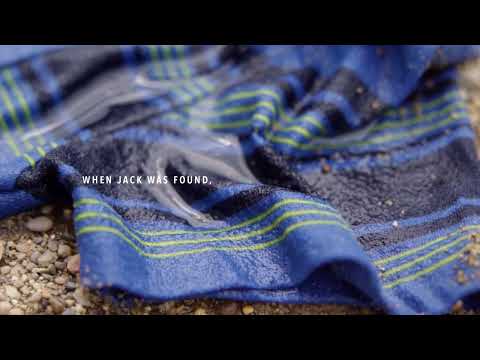
This film from the National Drowning Prevention Alliance is a powerful example of testimonial-based advertising, designed not to sell a product, but to embed a life-saving idea. It operates on the principle that a single, authentic story is more persuasive than a mountain of statistics. The ad's brilliance lies in its restraint. By withholding visuals of the child or the frantic search, it forces the viewer to construct the horror in their own mind, making it far more personal and terrifying. The visuals focus entirely on the aftermath—the wet, empty clothes on the sand, the indifferent water, the vacant dock. These objects, imbued with the mother's narrative of loss, become potent symbols of the tragedy.
The Core Insight: The central truth driving this campaign is that parents' perception of drowning is dangerously wrong. They imagine a loud, splashing struggle and believe the greatest risk is during planned swimming activities. The ad's purpose is to replace that fiction with the terrifying reality: drowning is silent, it is fast, and it often happens when a child isn't even wearing a swimsuit. The insight is that a parent's worst nightmare isn't a monster in the dark, but a moment of silence by the water.
The Execution: The creative follows a classic, gut-wrenching narrative arc.
- The Setup: The first act is intentionally calm. Kelly Helbig, the mother, establishes a scene of normalcy and safety. She describes a 'gorgeous summer day' and her belief that the children were 'safe and supervised' after they finished playing in the water, hanging up their life vests. This lulls the viewer into the same false sense of security the family felt, making the turn even more jarring.
- The Turn: The entire tone shifts with a single, dreadful question: 'Where's Jack?'. The music becomes tense, and the serene visuals of the lake now feel ominous. The narrative accelerates into a parent's worst fear—a search for a missing child, with the mother admitting, 'I didn't think about the lake.' This line is pivotal, as it speaks directly to the campaign's core message about non-swim time drownings.
- The Payoff: The payoff is twofold: emotional and educational. The emotional payoff is the direct, unvarnished statement: 'he was not able to be resuscitated.' The educational payoff follows immediately, as the mother shares what she learned through tragedy: 'I also had no idea that drowning was silent.' This transforms her grief into a lesson. The final shots—the clothes laid out in the shape of a body, the photo of Jack, and the stark statistic '70% of child drownings don't happen in a swimsuit'—deliver the final, unforgettable impact. [2, 3, 5, 6]
The Debrief: This campaign is a lesson in the power of authenticity. In the world of PSAs, where the goal is to alter behavior, emotional truth is the most effective tool. The decision to use a real parent's voice and story, combined with symbolic, restrained visuals, creates a piece that is respectful yet deeply disturbing. The team understood that to save lives, they first had to break hearts. The takeaway is that when the stakes are this high, the most effective creative strategy is often to step aside and let the raw, unvarnished truth speak for itself.
Theme Keywords
Brand Position
The compassionate authority dedicated to preventing the silent, leading cause of death in young children through education and awareness.
Brand Archetype
Caregiver
Creative Game Plan
Make the silent danger of childhood drowning terrifyingly real by telling the authentic, heartbreaking story of a mother who lost her son when she thought he was safe.
Diagnosis: Issues & Solutions
Primary Issue: Emotional Connection
The Problem:
The film is so emotionally devastating that it risks triggering 'emotional rejection,' where a viewer disengages or tunes out because the content is too painful to process, potentially missing the call-to-action and preventative information.
The Solution:
For shorter ad formats (e.g., 6-second or 15-second pre-roll), lead with the solution or the core myth-busting fact ('Drowning is silent. Here's how to prevent it.') before the narrative. This ensures the key takeaway is delivered even if the viewer can't endure the full story.
Secondary Issue: Strategic Sense
The Problem:
The overwhelming feeling of helplessness evoked by the story could paralyze some parents with fear rather than empowering them with a sense of agency.
The Solution:
The campaign's website, TheClothesTheyWore.com, must immediately and clearly present the '5 Layers of Protection' in a simple, actionable checklist format. The user journey must quickly transition from the 'why' (fear and grief) to the 'how' (empowerment through clear, manageable steps).
Additional Notes
Related Links
Credits
Share this Analysis
More National Drowning Prevention Alliance ad breakdowns
- Kunhadi - New Year's TVC (English)Kunhadi
- Res.Pirator - свіже повітря вже не в модіRes.Pirator (Fictional)
- CAMPAÑA FAD 2013 - Spot chica 30"Fad (Fundación de Ayuda contra la Drogadicción)
- Don't let speed change youBruxelles Mobilité
- Random is Always in PlayResponsible Gambling Council
- Alcohol misuse during winter months | The Snowball - A Short FilmSAFE Project
- Campaña: 'Esto no es un cuento'. ¿Has sufrido el robo de algún familiar?Generalitat Valenciana
- Een tegen Eenzaamheid | TVC verhuisd omstanderEen tegen Eenzaamheid