Een tegen Eenzaamheid | TVC verhuisd omstander - Ad Analysis

AI Editor notes
Straight from the gut!!
“This is solid, textbook PSA work. The split-screen showing the lonely reality versus the potential connection is a smart, clear device for a 27-second spot. It's not groundbreaking, but it doesn't need to be. It's direct, warm, and the ask is simple. My only question is whether it's memorable enough to cut through the clutter. Will people remember the website, or just the nice feeling?”
Quick Summary
This ad effectively uses a simple, relatable story and a split-screen visual to show—not just tell—how one small gesture can be the antidote to loneliness. It makes the abstract problem of social isolation feel solvable by framing the solution as a simple, human action that anyone can take, driving home the core message of the Dutch government's 'Een tegen Eenzaamheid' campaign.
Executive Summary
This spot for the Netherlands' 'Een tegen Eenzaamheid' (One Against Loneliness) campaign is a compact and effective piece of social impact advertising. It operates on a simple premise, executed with a clean, universally understood narrative structure that makes its point in under 30 seconds. The campaign is an initiative of the Dutch Ministry of Health, Welfare and Sport, aiming to combat rising rates of loneliness across all age groups. [2, 3]
The Core Insight: The fundamental human truth at the heart of this ad is that people often wait to be invited. Loneliness isn't always a choice, but an inertia that can be broken by a small, external push. The ad recognizes that the barrier to connection can be as simple as one person not extending a hand and another not knowing how to ask. It reframes the fight against a massive societal problem into a single, manageable action: a simple invitation.
The Execution: The ad uses a classic Problem-Solution framework, visualized through a clever split-screen device.
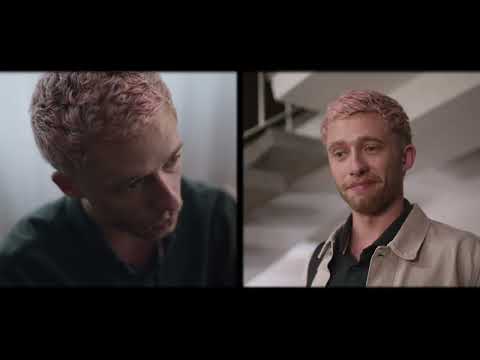
- Setup: We see a young man, who we learn has just moved in, looking isolated in his new building. Another resident, holding a soccer ball, walks by. This establishes the problem: disconnection and potential loneliness.
- Turn: The key moment is the hesitation. The man with the ball stops, turns back, and initiates a conversation. This is the pivot from inaction to action. He asks, "You just moved here, right?... We play football... would you like to join?" This simple dialogue is the solution being offered.
- Payoff: The split-screen powerfully demonstrates the stakes. On one side, we see the lonely reality that would have been: the new resident eating takeout alone in his empty apartment. On the other side, we see the positive outcome of the invitation: him smiling, accepting, and later joining the group in the park. The final voiceover, "A small gesture can make the difference," explicitly states the ad's thesis, followed by the call to action to visit the campaign website. [2, 10]
The Debrief: The team behind this should recognize the power of simplicity. They didn't need a complex metaphor or a celebrity; they needed a relatable moment. The split-screen wasn't just a stylistic choice; it was the most efficient way to communicate the cause-and-effect relationship between a small action and its significant impact. It proves that for social cause advertising, demonstrating the solution is often more powerful than just dwelling on the problem. This ad successfully empowers the viewer by showing them a clear, achievable role they can play.
Theme Keywords
Brand Position
The central resource for empowering every person in the Netherlands to combat loneliness.
Brand Archetype
The Caregiver
Creative Game Plan
Show that solving the big problem of loneliness starts with one small, human gesture.
Diagnosis: Issues & Solutions
Primary Issue: Strategic Sense
The Problem:
The ad is one of two versions; this one is from the 'bystander' perspective. While effective, the campaign's split-perspective strategy (filming from both the lonely person's and the bystander's POV) might dilute the media buy and slightly fragment the message's impact unless viewers see both. [2, 11]
The Solution:
Consolidate the campaign around the most empowering perspective—likely this bystander version, as it gives the general audience a direct action to take. Alternatively, ensure the media plan has the frequency to expose audiences to both sides of the story to get the full effect.
Secondary Issue: Clarity of "What's Next?"
The Problem:
The website is the call to action, but the ad doesn't hint at what users will find there. Is it a pledge? A resource kit? A place to find local groups? This ambiguity creates a small friction point between watching the ad and taking the next step.
The Solution:
A minor tweak to the end card or voiceover could add more direction, such as 'Find tips and local groups at...' to set a clearer expectation and increase the likelihood of a click-through.
Additional Notes
Related Links
Credits
Share this Analysis
More Een tegen Eenzaamheid ad breakdowns
- Kunhadi - New Year's TVC (English)Kunhadi
- Res.Pirator - свіже повітря вже не в модіRes.Pirator (Fictional)
- CAMPAÑA FAD 2013 - Spot chica 30"Fad (Fundación de Ayuda contra la Drogadicción)
- Don't let speed change youBruxelles Mobilité
- Jack's StoryNational Drowning Prevention Alliance
- Random is Always in PlayResponsible Gambling Council
- Alcohol misuse during winter months | The Snowball - A Short FilmSAFE Project
- Campaña: 'Esto no es un cuento'. ¿Has sufrido el robo de algún familiar?Generalitat Valenciana