The Triangle Theory - Ad Analysis

AI Editor notes
Straight from the gut!!
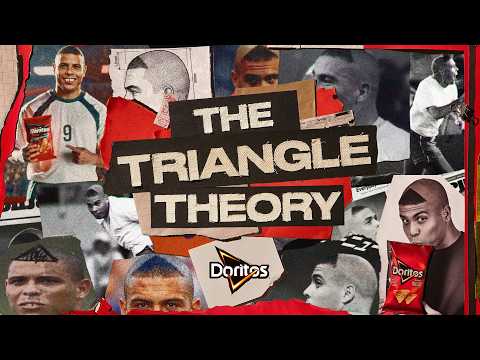
“This is ridiculous in the best possible way. Taking Ronaldo's notorious 'half-moon' haircut from Japan 2002 and claiming it was actually an unfinished Doritos triangle stunt is audacious. The straight-faced mockumentary execution makes it work; instead of shoving a chip in your face for 12 minutes, they built a genuinely funny sports conspiracy thriller that gets people debating online.”
Quick Summary
Doritos achieves the gold standard of cultural hacking by retroactively injecting its brand into one of football's most famous folklore moments—Ronaldo's 2002 World Cup haircut—turning a 20-year-old geometric mystery into an entertaining piece of branded content.
Executive Summary
The Core Insight: Football folklore is built on myths, half-truths, and shared cultural memories that fans love to dissect decades after the final whistle. In 2002, Ronaldo Nazário's bizarre frontal haircut captivated the globe, widely accepted as a psychological tactic to divert media hysteria away from his knee injuries. Doritos recognizes that modern sports culture thrives on conspiracies, memes, and nostalgic deep-dives, providing the perfect playground to playfully insert the brand into real history.
The Execution: Employing a classic Setup–Turn–Payoff mockumentary structure, the film begins with dramatic archival footage of Ronaldo's historic 2002 comeback, establishing emotional stakes before introducing the central conspiracy: what if the haircut wasn't a half-moon, but an uncompleted Doritos triangle? In the investigation phase, the film layers authentic credibility with comedic absurdity. Real photojournalists (Paulo Pinto), teammates (Kléberson), and Ronaldo's childhood barber (Altair Silva) are interviewed alongside stylized dramatizations, Reddit sleuth threads, and technical 'haircut blueprints.' The sequence where the barber shaves a test subject's head to prove a triangle fits inside the half-moon is a masterclass in dry, deadpan execution. The narrative peaks in the third act when the crew confronts Ronaldo himself. His nonchalant denial, contrasted with him sneaking the 'confidential' dossier out of the room, delivers the comedic punchline before resolving into the retro 'Lost 2002 Doritos Commercial' during the end credits.
The Debrief: The strategic takeaway for brand builders is the power of cultural hacking. Instead of trying to invent new cultural moments from scratch or interrupting content with traditional product claims, Doritos retroactively latched onto an existing global memory. By treating its ownable brand shape—the triangle—as the comedic hero of an investigative satire, Doritos demonstrates how long-form brand entertainment can drive outsized organic reach and genuine cultural relevance.
Theme Keywords
Brand Position
The bold snack brand that unapologetically disrupts culture and celebrates creative irreverence.
Brand Archetype
Jester / Outlaw (Irreverent, Bold, Clever)
Creative Game Plan
Reframe one of football's most famous visual moments as a secret, aborted 2002 marketing stunt to reinforce Doritos' signature triangular brand code.
Diagnosis: Issues & Solutions
Primary Issue: Strategic Sense
The Problem:
At nearly 13 minutes, the runtime is excessive for casual viewers on social feeds, risking significant audience drop-off before reaching Ronaldo's climactic interview.
The Solution:
Release a tightly edited 2-to-3-minute condensed 'investigative trailer' cut specifically optimized for high-retention social media platforms alongside the long-form version.
Secondary Issue: Clarity of "What's Next?"
The Problem:
The film ends on a joke and a retro ad mockup without a clear modern consumer activation or participatory mechanism for fans to engage further.
The Solution:
Integrate an interactive digital element, such as an AR haircut filter or a social media contest prompting fans to find triangles in unexpected sports moments.
Additional Notes
Credits
Share this Analysis
More Doritos ad breakdowns
- Doritos UFODoritos
- SLING BABY | Doritos Commercial | #superbowl #commercialsDoritos
- A Spicy But Not Too Spicy PlumberDoritos
- Day Of The Dead — Doritos [ English subs ] LGBT+ Día de MuertosDoritos
- NFL Focus Groups - Doritos Crash the Super Bowl 2025Doritos
- DORITOS "FINGER CLEANER" - 2014 CRASH THE SUPER BOWL FINALISTDoritos
- Doritos 2016 Super Bowl CommercialDoritos
- Popular for a Reason | :30SKINNYPOP Popcorn