Popular for a Reason | :30 - Ad Analysis

AI Editor notes
Straight from the gut!!
“Finally, a celebrity ad that doesn't just feel like a check being cashed. The idea is simple and smart. Making the popcorn the 'celebrity' is a solid gag that lands well because of Aniston's comedic timing. It’s not trying to change the world; it’s a 30-second chuckle that makes you remember the brand. It works.”
Quick Summary
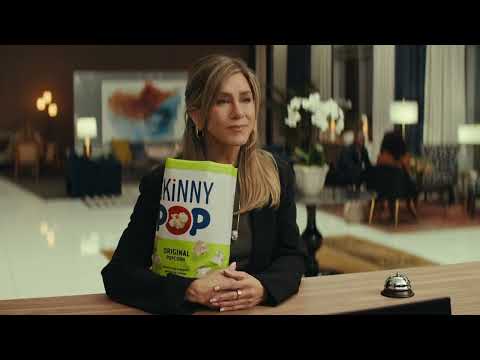
This ad's effectiveness comes from a clever inversion of the standard celebrity endorsement. Instead of Jennifer Aniston making the product famous, the product is so famous it makes one of the world's biggest stars anonymous. This single, self-aware joke reinforces the brand's popularity in a way that feels confident and witty, not borrowed.
Executive Summary
In a media landscape saturated with celebrity endorsements that often feel transactional, SkinnyPop's 'Popular for a Reason' spot offers a refreshing dose of self-awareness. The ad doesn't just feature Jennifer Aniston; it weaponizes her fame to make a singular point about the product's own popularity. The strategy is built on a simple, potent insight: true popularity doesn't need a famous face to validate it—it stands on its own. By creating a scenario where a bag of popcorn commands more attention than a global superstar, the brand cleverly positions itself not as an aspirational product used by celebrities, but as a beloved staple that's already part of the cultural fabric.
The execution follows a classic Setup-Turn-Payoff structure, optimized for a 30-second runtime. The setup is immediate and familiar: we see Jennifer Aniston, and a hotel receptionist is star-struck. The audience leans in, expecting a typical celebrity-fan interaction. The turn comes at the five-second mark when the receptionist clarifies her fandom is for SkinnyPop, not Aniston. This inversion is the core of the ad's humor and its strategic genius. The rest of the spot serves as the payoff, reinforcing the joke as Aniston's identity is repeatedly mistaken and ignored in favor of the snack. The final moment, when a second employee wordlessly reaches for the popcorn, confirms that this isn't a one-off mistake; it's a universal phenomenon. The product is the hero.
The debrief for the team behind this ad should be a lesson in the power of a simple, well-executed idea. They resisted the temptation to have Aniston list product benefits or deliver a contrived monologue about why she loves the snack. Instead, they trusted the audience to get the joke and, by extension, the message. The ad succeeds because it feels less like an advertisement and more like a short, comedic sketch. It respects the viewer's intelligence and Aniston's comedic talent, resulting in a piece of work that builds brand affinity through charm and wit rather than hard-sell tactics. It's a solid example of making the brand the star, even when a bigger star is on screen.
Theme Keywords
Brand Position
The guilt-free, delicious snack that's effortlessly popular for its simplicity.
Brand Archetype
The Everyman
Creative Game Plan
Demonstrate that SkinnyPop is so popular, it's a celebrity in its own right.
Diagnosis: Issues & Solutions
Primary Issue: Strategic Sense
The Problem:
The ad's one-joke premise is brilliant for brand awareness but misses the opportunity to subtly layer in a 'reason why.' While the bag shows '3 simple ingredients,' the story does nothing to land this supporting message, which could have provided a rational anchor to the emotional gag.
The Solution:
Incorporate a line of dialogue that hints at a product truth. For example, after the receptionist says she 'loves SkinnyPop,' Aniston could have replied with a knowing, 'Well, it's just popcorn, salt, and sunflower oil. What's not to love?' This would seamlessly integrate a key differentiator without killing the comedic flow.
Secondary Issue: Clarity of "What's Next?"
The Problem:
The ad is a pure brand play with no call-to-action, which is a common and often acceptable strategy for a Super Bowl-level spot. However, it leaves the viewer's energy and amusement on the table without directing it anywhere.
The Solution:
Add a simple, non-intrusive on-screen text at the end, such as 'Find us in the snack aisle' or a visual cue that places the product clearly within a retail context. This bridges the gap between entertainment and commerce without feeling like a hard sell.