Animalife: The Walk - Ad Analysis

AI Editor notes
Straight from the gut!!
“This thing is a slow burn, but the payoff is devastating. For the first minute, I'm thinking, 'Okay, another sad animal ad.' Then the mood shifts, and that final twist just lands like a ton of bricks. It's a clever, cinematic idea that's genuinely haunting. My only question is if people on a fast social feed have the patience for the setup. If they stick around, they won't forget it.”
Quick Summary
By masterfully reversing the roles of owner and pet, this ad forces the audience to feel the raw, human terror of abandonment. It bypasses sanitized PSA tropes to deliver a visceral, unforgettable emotional gut-punch, making the abstract concept of an animal's fear shockingly personal and concrete.
Executive Summary
This film from Animalife is a sharp, effective piece of communication that understands a fundamental truth of advocacy advertising: showing people a problem is one thing, but making them feel it is another. The core insight is that the fear of being abandoned is a primal, universal terror. We’ve become desensitized to images of sad pets in shelters, so the ad cleverly circumvents our compassion fatigue by translating that fear into human terms.
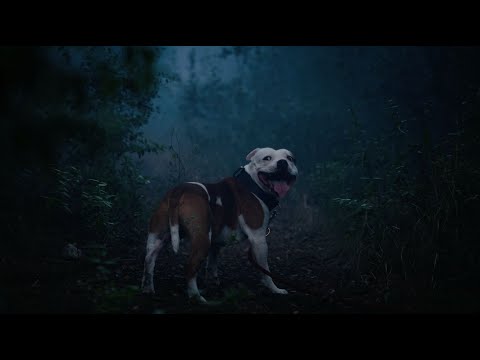
The execution follows a classic Setup-Turn-Payoff structure, handled with cinematic patience. The Setup (0:00-1:20) is deliberately mundane, showing the relatable bond between a man and his dog, Archie. The nighttime walk begins as a familiar routine, lulling the audience into a false sense of security with gentle piano music and quiet urban scenes. We think we know this story. The Turn (1:20-2:15) is a masterclass in building tension. The walk becomes a relentless march into increasingly desolate locations. The music shifts, becoming anxious and unsettling. The man's pace quickens, his expression grows strained, and our initial assumption that he's a loving owner begins to fray. The craft here is excellent; the direction uses the eerie, empty locations and foreboding score to make us feel that something is deeply wrong. We are led to believe the man is the perpetrator, about to commit a cruel act. The Payoff (2:15-2:33) is a devastating reversal. The moment the man realizes Archie is gone and he is the one who is lost, the entire narrative flips. His panicked cries in the dark woods, followed by the shot of him curled and shivering on the ground, are genuinely chilling. The on-screen text, 'DON'T BE AFRAID. THEY WOULD NEVER ABANDON YOU,' delivers the final, piercing blow, reframing the entire film as a statement on a pet's unconditional loyalty versus human cruelty.
The debrief for the creative team would be a positive one. They successfully weaponized empathy. By making the viewer experience the fear of abandonment through a human proxy, they created a message that is impossible to ignore. The primary risk is its 2:33 runtime, which is an eternity in the digital ad world. The strategy relies on earning the viewer's patience, a gamble that may not pay off in a skippable pre-roll environment but works powerfully in a context of earned media and social sharing, where it can be appreciated as a short film.
Theme Keywords
Brand Position
The animal welfare organization that forces you to confront the emotional truth of animal suffering.
Brand Archetype
Caregiver
Creative Game Plan
Make people feel the visceral terror of abandonment by ingeniously reversing the roles of the pet and its owner.
Diagnosis: Issues & Solutions
Primary Issue: Strategic Sense
The Problem:
The ad's greatest strength—its patient, slow-burn narrative—is also its biggest strategic vulnerability. It demands over two minutes of undivided attention to land its message, a significant ask in a digital environment where viewers often drop off within seconds.
The Solution:
Develop a suite of shorter 6-second and 15-second cutdowns for platforms like YouTube and Instagram. These should lead with the emotional climax—the man's terrified face in the woods—to hook the viewer immediately and drive traffic to the full-length film for the complete story.
Secondary Issue: Clarity of "What's Next?"
The Problem:
The call-to-action is a phone number, which introduces significant friction for a user watching on a mobile device or desktop. It requires them to stop what they're doing, remember or write down a number, and place a call.
The Solution:
In the end card for digital placements, the phone number should be accompanied by a large, clear, and clickable 'Donate Now' button that leads directly to a mobile-optimized donation page. A simple, memorable URL like 'animalife.pt/ajuda' should also be displayed.
Additional Notes
Credits
Share this Analysis
More Animalife ad breakdowns
- AnimalifeAnimalife
- Walk for Memories - RichardFederation of Quebec Alzheimer Societies
- Public Inc. x PERIOD. | Deck The StallsPERIOD.
- Mission Talita – Saving the Prostitutes of Los SantosTalita
- IsrA.L.S mannequin challengeIsrA.L.S (The Israel A.L.S Research Association)
- 100 years of... - Depaul FranceDepaul France
- Josh Groban "Finish the Fight" TV CommercialAmerican Cancer Society
- Shorashim group – Break the fastShorashim Group