Animalife - Ad Analysis

AI Editor notes
Straight from the gut!!
“This is strategically weird, and it works. The choice to use a Spanish ranchera song about betrayal over a Portuguese ad is a jarring, brilliant move that sets a bizarre, off-kilter tone. It's not another sad-dog-in-a-cage spot. It's a fever dream that makes you feel the weight and moral stain of the act. It’s designed to be uncomfortable and unforgettable, not to make you feel good. A very strong piece of creative.”
Quick Summary
This ad masterfully reframes animal abandonment from a merely sad act into a profound, criminal betrayal. By using a surreal, nightmarish role-reversal, it forces the viewer to feel the psychological violation and lasting trauma of being abandoned, creating an unforgettable message that's far more powerful than a simple plea for pity.
Executive Summary
This spot from Havas Lisboa for Animalife is a powerful example of how to tackle a worn-out subject with fresh, unsettling creativity. The core insight—that abandoning an animal is not just sad, but a deep and lasting betrayal—is brought to life not through emotional blackmail, but through a masterful piece of surrealist filmmaking. The ad rejects the familiar tropes of the non-profit category, such as sorrowful music and shots of shivering animals in cages. Instead, it creates a psychological thriller that puts the human perpetrator in the position of the victim.
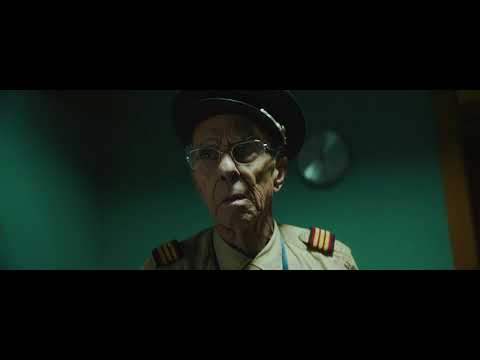
The execution follows a classic Setup-Turn-Payoff structure, amplified by intense creative choices. The setup is a tense but recognizable airport security scene. The Turn is the descent into a bizarre, kafkaesque nightmare. The choice of a Spanish-language Ranchera song is key; this genre is built on melodrama, passion, and betrayal, and its use here creates a profound sense of cognitive dissonance. The lyrics, about drowning a betrayal in drink, function as a Greek chorus for the dog’s silent accusation. The visuals in the back room—the sterile green light, the severe officials, the violent destruction of a stuffed toy—are metaphors for the animal's terror and confusion. The man is stripped of his dignity, just as he is about to strip the dog of its home and family. The Payoff is the brutal cut back to reality. The preceding 90 seconds are re-contextualized as the dog’s internal experience—its 'karma' being visited upon the man's conscience. The final line, 'Be aware. They will never forget you,' is delivered with chilling finality. It’s not a plea; it’s a warning. The team should learn from this that the most effective way to communicate an emotion isn't always to show it literally, but to build a powerful metaphor that allows the audience to experience it themselves from an unexpected perspective.
Theme Keywords
Brand Position
The uncompromising moral authority on animal welfare.
Brand Archetype
The Ruler (imposing moral order) with a touch of the Magician (transforming perception).
Creative Game Plan
Dramatize the profound betrayal of animal abandonment by forcing the perpetrator to experience a surreal, karmic interrogation that mirrors the animal's trauma.
Diagnosis: Issues & Solutions
Primary Issue: Clarity of "What's Next?"
The Problem:
The ad invests everything in landing its powerful emotional and moral message, but as a result, the call to action is purely passive. Viewers are left with a strong feeling of guilt or conviction but no clear, immediate channel to turn that emotion into productive support for Animalife's work, beyond visiting a website.
The Solution:
Following the main tagline, a simple, action-oriented line could be added to the final card, such as 'Support our fight against abandonment' or 'Choose adoption. Change a life.' This would provide a concrete next step to capitalize on the emotional momentum.
Secondary Issue: Emotional Connection
The Problem:
The film's high-concept surrealism, while creatively brilliant, risks alienating a segment of the audience that may find it too 'weird' or confusing. Viewers who don't stay until the final reveal might miss the point entirely, dismissing it as an obscure art film rather than a PSA.
The Solution:
This is a deliberate strategic risk that pays off in distinctiveness. To mitigate it slightly without compromising the concept, a fleeting audio cue, like a soft whimper mixed under the music when the bag is placed on the belt, could provide a subconscious link to the animal earlier in the narrative.