PETA - "98% Human" (BBDO New York) - Ad Analysis

AI Editor notes
Straight from the gut!!
“This is a tough watch. It’s a gut punch by design. The slow pacing and somber voiceover build an atmosphere of dread, and the final image is genuinely shocking and hard to forget. It’s classic PETA—confrontational and built to provoke. Does the extreme metaphor risk overshadowing the message? Maybe for some. But for this brand, creating a loud, uncomfortable conversation is the entire point.”
Quick Summary
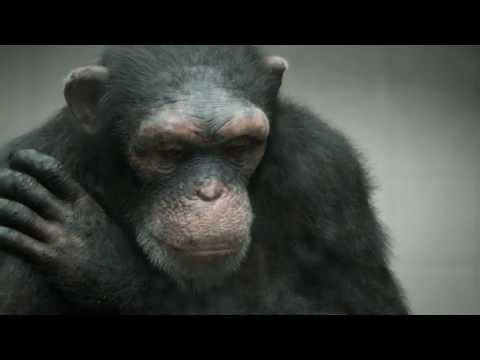
This ad's power comes from translating the abstract concept of animal suffering into a shocking, universally understood human act of despair. By using a photorealistic CGI chimp contemplating suicide, PETA forces the audience to confront the psychological cruelty of using apes in entertainment. The final reveal that the ape is computer-generated serves as a brilliant punchline: if technology can create this level of realism, there is no ethical or creative excuse to use live animals.
Executive Summary
This PETA spot by BBDO isn't an ad; it's a short, bleak, and powerful film. Its core strategy is to bypass intellectual arguments and target the viewer's capacity for empathy with a single, devastating metaphor.
The Core Insight: The simple human truth at the center of this ad is that suffering is universal, and the line between human and animal consciousness is perilously thin. By stating that great apes are '98% Human,' the ad primes us to see ourselves in the subject. The insight is that the psychological trauma inflicted on these animals—being stolen from mothers, beaten, and discarded—is so profound it can lead to a state of hopelessness that any human would recognize.
The Execution: The ad uses a classic Setup-Turn-Payoff structure. The Setup (0:00-0:14) establishes a documentary-style reality. With a somber voiceover from Adrien Brody and grainy, surveillance-style footage, we are introduced to a weary chimpanzee in a sterile cell. The mood is one of profound institutional sadness. The Turn (0:15-0:24) occurs with the introduction of a gun. As the narration recounts a life of abuse, the chimp's attention shifts to the weapon. The tension escalates from pity to dread as he slowly picks it up, the viewer’s mind racing to an unthinkable conclusion. The Payoff (0:25-0:35) is the ad's most powerful and controversial moment. The chimp places the gun to its own chin, and the voiceover asks, 'Could you live this life?' This act crystallizes the abstract concept of 'suffering' into the ultimate human expression of despair. The ad doesn't just tell you the animals are miserable; it shows a misery so deep it leads to this. The final title cards—the pledge URL and the reveal that 'No real apes were used'—serve as a one-two punch. The first provides an outlet for the viewer's emotion, and the second brilliantly reinforces the argument: if we can create this, why do we abuse them?
The Debrief: The key takeaway is the power of a single, well-executed, shocking idea. Instead of showing literal abuse, which can cause viewers to look away, the ad translates that abuse into a metaphor that is impossible to ignore. Furthermore, the campaign demonstrates its own thesis. The incredibly realistic CGI, created by The Mill, proves that using real apes is obsolete. [2, 3, 7] The ad doesn't just ask the entertainment industry to stop using apes; it shows them how, turning a piece of protest into a powerful proof of concept.
Theme Keywords
Brand Position
The uncompromising, provocative leaders in the fight for animal liberation.
Brand Archetype
Rebel
Creative Game Plan
Dramatize the hidden psychological torture of performing apes by translating it into the most extreme and recognizable human act of despair.
Diagnosis: Issues & Solutions
Primary Issue: Emotional Connection
The Problem:
The primary risk is that the ad's central metaphor—animal suicide—is so shocking that it could be perceived as overly manipulative. For some viewers, this extremity might overshadow the intended empathy and cause them to reject the message outright as 'emotional blackmail'.
The Solution:
This is a strategic choice, not a flaw. PETA's brand is built on provocation. The goal is not to win over everyone but to galvanize a core audience and generate headlines. The shock value *is* the strategy, and softening it would dilute the ad's impact and brand alignment.
Secondary Issue: Strategic Sense
The Problem:
While the ad is aimed at the public to generate pressure via a pledge, the root of the problem lies with industry decision-makers (directors, producers, advertisers). The pledge is an indirect tool to influence them.
The Solution:
The campaign could be amplified with a direct industry-facing component. Use this ad as the centerpiece for direct outreach to production companies and ad agencies, securing public commitments from them in addition to the consumer pledge, thereby tackling the problem at its source. [7]