Walk for Memories - Richard - Ad Analysis

AI Editor notes
Straight from the gut!!
“This is a gut punch. The desktop metaphor is so simple, so clean, and so brutal. Watching the skills and people get dragged to the trash is genuinely upsetting. It's one of those ideas that's so smart and obvious in retrospect, you wish you'd thought of it. It avoids all the charity ad clichés—no sad-looking patients, no doctors in lab coats. Just a cold, clean, digital execution of a person's soul. It's chillingly effective.”
Quick Summary
This ad brilliantly translates the abstract horror of Alzheimer's into a concrete, universally understood, and devastating metaphor: watching a life's memories, skills, and relationships get systematically deleted from a computer. It's a cold, heartbreakingly effective concept that requires no dialogue to convey the terror of the disease and the urgent need for action.
Executive Summary
This piece from the Federation of Quebec Alzheimer Societies is a masterclass in conceptual advertising for a difficult subject. It sidesteps the expected tropes of public service announcements—the somber testimonials, the clinical explanations—and instead delivers a powerful emotional blow through a single, brilliantly executed metaphor.
The Core Insight: The fundamental human truth this ad leverages is that the real terror of Alzheimer's isn't just forgetfulness; it's the complete and systematic erasure of the self. It's not a messy decline, but a cold, procedural deletion of everything that makes a person who they are: their abilities, their relationships, and their most cherished memories.
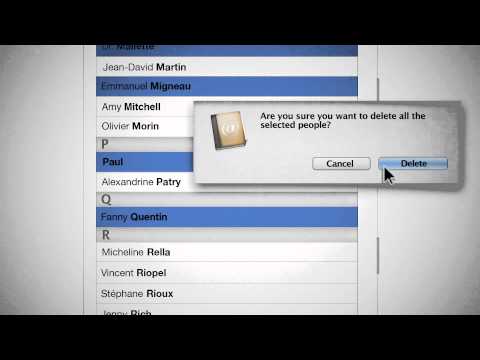
The Execution: The creative team used a simple Hook-Problem-Payoff structure, all within the confines of a Mac desktop. The Hook is the familiar, warm family photo as a desktop wallpaper, creating an immediate sense of normalcy and nostalgia. The Problem is introduced methodically. We watch a cursor, an anonymous and unfeeling agent, begin to dismantle a life represented by folders. It starts with the 'How to' folder, deleting fundamental skills like 'Driving' and 'Writing.' This is a clever way to show the loss of functional abilities, which is a key part of the disease's progression. The emotional stakes are raised when the cursor moves to 'Contacts' and deletes loved ones, visualizing the loss of recognition. The final Payoff is the most devastating moment: the cursor begins deleting photos from the 'Memories' folder. This is the ultimate violation, the destruction of a life's narrative. The genius of the execution is the ending. Just as the last memory is trashed, a calendar invite for the 'Walk for Memories' appears. The cursor clicks 'Accept.' This transforms the narrative from one of pure despair into a call to action. The act of 'accepting' the walk becomes the one act of defiance against the relentless deletion.
The Debrief: The key lesson here is the power of a strong, central metaphor. By translating the disease into the language of a computer, the ad makes the invisible visible and the abstract concrete. The sterile, impersonal nature of the OS sounds and actions creates a chilling contrast with the deeply personal and human content being destroyed. This emotional dissonance is what makes the ad so memorable and effective. It proves that to create a powerful emotional response, you don't always need to show a human face; sometimes, showing the absence of humanity is even more powerful.
Theme Keywords
Brand Position
The central, trusted organization for mobilizing public support and fighting the human cost of Alzheimer's in Quebec.
Brand Archetype
Caregiver
Creative Game Plan
Visualize the systematic horror of Alzheimer's by portraying a person's mind as a computer hard drive being methodically wiped clean, file by file.
Diagnosis: Issues & Solutions
Primary Issue: Emotional Connection
The Problem:
The ad's conceptual coldness, while powerful, risks creating a slight emotional barrier. Because we never see the human impact directly, the audience feels horror and pity, but perhaps not deep empathy for a specific person.
The Solution:
To bridge the metaphor with the human cost, briefly flash a ghostly, out-of-focus live-action shot of the corresponding memory as a folder is deleted. For example, as the 'Writing' folder is trashed, show a 1-second blurry shot of an elderly hand struggling to hold a pen.
Secondary Issue: Clarity of "What's Next?"
The Problem:
The call to action is entirely focused on a single, dated event ('Walk for Memories, Sunday May 26th, 2013'). This makes the ad incredibly effective in the short term but gives it a very short shelf life with no path for engagement after the event has passed.
The Solution:
On the final screen displaying the URL, add a more durable, secondary message below it, such as 'Help families fighting Alzheimer's year-round.' This provides an evergreen purpose for the ad and a way for viewers to donate or get involved at any time.
Additional Notes
Credits
Share this Analysis
More Federation of Quebec Alzheimer Societies ad breakdowns
- Public Inc. x PERIOD. | Deck The StallsPERIOD.
- Mission Talita – Saving the Prostitutes of Los SantosTalita
- Animalife: The WalkAnimalife
- IsrA.L.S mannequin challengeIsrA.L.S (The Israel A.L.S Research Association)
- 100 years of... - Depaul FranceDepaul France
- Josh Groban "Finish the Fight" TV CommercialAmerican Cancer Society
- Shorashim group – Break the fastShorashim Group
- What do girls really learn at school? Learn Without FearPlan International UK