Visa The Carpool to Rio featuring Team Visa Olympians - Ad Analysis

AI Editor notes
Straight from the gut!!
“This is a classic, big-budget Olympics spot. The 'carpool' idea is simple, maybe a touch sentimental, but it works because the athletes feel genuine. It’s warm, optimistic, and does a solid job of showcasing a ton of different athletes without feeling like a checklist. The payment moments are a bit forced, but that's the price of admission. It's a feel-good piece of work that hits the right notes for a massive global sponsor.”
Quick Summary
Visa uses a charming, globe-trotting road trip narrative with a diverse cast of real Olympians to associate its brand with the universal journey of striving and acceptance. It effectively embeds its various payment technologies as the seamless and exclusive enablers of that journey on the world's biggest stage.
Executive Summary
Visa’s “The Carpool to Rio” is a textbook example of how a market leader should activate a massive global sponsorship. It’s a confident, sprawling, and optimistic film that understands its primary job isn't to sell a new feature, but to reinforce the brand's ubiquity and emotional connection with a global audience. The strategy is built on a simple, relatable idea—the road trip—and uses it as a vehicle (quite literally) to deliver a message of universal acceptance and seamless functionality.
The Core Insight here is that the journey to greatness is a shared one. While the Olympics celebrates individual achievement, this ad focuses on the camaraderie and the collective spirit that unites athletes across borders and disciplines. Visa cleverly positions itself not as a sponsor observing from the sidelines, but as an integral part of that journey. The brand's message of 'acceptance' is twofold: it celebrates the diversity of the athletes while simultaneously highlighting the universal acceptance of its payment network. [3]
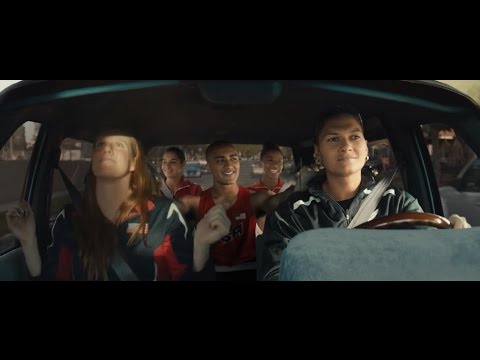
The Execution follows a classic Setup-Turn-Payoff structure. The Setup introduces us to a handful of Team Visa athletes waking up and beginning their day with Olympic-level intensity. The twist comes when New Zealand shot putter Valerie Adams isn't heading to a local gym, but is instead driving a minivan to pick everyone up. The Turn shifts the ad from a sports montage into a lighthearted road trip movie. This is where the product integration happens. Each stop—for juice, for ferry passage, for gas—becomes a low-friction showcase for a different way to pay: Visa Checkout on a phone, a contactless card tap, a chip-card insertion. [9] These moments are brief and designed to feel like a natural part of the journey, not a jarring interruption. The Payoff is the arrival in Rio. The van merges with a river of other athletes, and the carpool dissolves into the global community of the Olympic Games. The concluding voiceover cements the strategy: all these individual journeys were powered by Visa, the one payment method accepted everywhere at the Games. The tagline, “everywhere you want to be,” lands with newfound relevance.
The Debrief for the team would be positive. This campaign demonstrates how to leverage an exclusive sponsorship to create a powerful competitive advantage. The decision to feature a wide array of international athletes, including Paralympians, made the campaign feel genuinely global and inclusive, extending its appeal far beyond just the U.S. market. [20] The integration of multiple payment technologies was also a smart way to modernize the brand and educate consumers without resorting to a dry, technical demo. It was a masterclass in making a legacy brand feel both timelessly reliable and effortlessly current.
Theme Keywords
Brand Position
The world's most accepted and reliable payment network, enabling journeys and connecting people globally.
Brand Archetype
The Explorer
Creative Game Plan
Unite a diverse cast of global athletes on an epic road trip to demonstrate that Visa is the universally accepted and seamless way to power any journey.
Diagnosis: Issues & Solutions
Primary Issue: Emotional Connection
The Problem:
The ad maintains a consistently upbeat and positive tone, which, while pleasant, misses an opportunity for a deeper emotional moment. A brief scene showing shared vulnerability, exhaustion, or a quiet moment of reflection among the athletes could have made their eventual triumph and camaraderie feel more earned.
The Solution:
In a future iteration, script a 5-second beat where the athletes are quiet in the van at dawn, sharing a look of nervous anticipation. This would add a layer of humanity to their superhuman status and strengthen the emotional arc.
Secondary Issue: Strategic Sense
The Problem:
The message "the only way to pay" is a powerful use of sponsorship exclusivity, but it carries a slight risk of alienating non-Visa customers by highlighting their exclusion. The benefit of reinforcing value to existing customers likely outweighs this, but it's a strategic trade-off.
The Solution:
Soften the language slightly in ancillary digital assets, focusing more on "the easiest way to pay" or "the athlete's choice" to be more inclusive while still leveraging the sponsorship.
Additional Notes
Related Links
Credits
Share this Analysis
More Visa ad breakdowns
- Everything is a Tap In with VisaVisa
- TypewriterVisa
- Visa celebrates Team Visa Athletes at the Olympic Games Paris 2024Visa
- OSTRICH ON HOVER BOARD IN DUBAI - #UnbelievableVisa
- BABY SOLVES A RUBIKS CUBE! (VISA)Visa
- UNCOMMON TRUTHS: FLOWERSVisa
- I Fight For VietnamVisa
- Tap to pay with Visa. Just like that.Visa