I Fight For Vietnam - Ad Analysis

AI Editor notes
Straight from the gut!!
“This is a classic, well-executed piece of Olympic brand advertising from its era. The sepia tone and long-form story feel a bit slow for 2025, but for 2012 YouTube, it was solid. It's a pure heartstring-puller. The connection to the actual product is non-existent, but that's not the point. It's about associating the Visa logo with the feeling of pride and perseverance. It's a solid, if predictable, play.”
Quick Summary
By focusing on the authentic, grueling journey of a local Vietnamese hero, Visa masterfully transforms its global Olympic sponsorship into a deeply personal and patriotic story. The ad bypasses product features to sell a much bigger idea: Visa is on the side of human resilience and national pride, effectively using emotion to build brand affinity in a key market.
Executive Summary
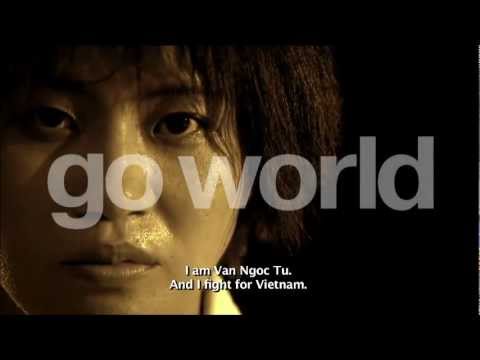
In this 2012 piece for its 'Go World' Olympic campaign, Visa demonstrates a classic and effective strategy for activating a global sponsorship at a local level. The ad, 'I Fight For Vietnam,' wisely avoids generic global messaging and instead presents a raw, intimate documentary of a national hero, Judoka Van Ngoc Tu. By doing so, Visa attaches its brand not just to the spectacle of the Olympics, but to the deeply human and patriotic story of one athlete's struggle and resolve.
The core insight is powerful in its simplicity: true achievement isn't about winning, but about the refusal to quit. The ad recognizes that audiences, particularly in a country with a fierce sense of national pride, connect more with the journey than the destination. The shame of early losses and the crushing defeat just seconds into a final match are more relatable than an easy victory. This insight allows Visa to position itself as a supporter of the human spirit, not just a facilitator of transactions.
The execution follows a clean Setup-Turn-Payoff narrative arc, presented in a stylized sepia tone that gives the story a feeling of historical weight and timelessness. The Setup introduces Tu's childhood and her start in judo. The Turn is the central conflict: her repeated failures and the resulting motivation born from shame and disappointment. This is the heart of the ad, where the emotional investment is earned. The Payoff elevates her personal struggle into a national one. Her fight is for her family, her teachers, and ultimately, her country. When she says, 'I fight for Vietnam,' it’s a cathartic climax that perfectly tees up the 'Go World' tagline and the Visa logo. The brand appears at the peak of the emotional arc, hoping to absorb the feelings of pride and inspiration the story has generated.
The debrief for the creative team would be to celebrate the ad's emotional intelligence and strategic focus. It proves that localizing a global campaign with an authentic, human story works. However, the lesson is also in the missed opportunity for greater brand integration. The ad is so effective at telling Tu's story that Visa feels almost like an afterthought. The challenge for future campaigns would be to weave the brand's role into the narrative more organically—how does Visa help athletes 'Go World' in a tangible way?—without breaking the emotional spell.
Theme Keywords
Brand Position
Visa is the enabler of global ambitions and achievements.
Brand Archetype
The Hero
Creative Game Plan
Connect Visa's global 'Go World' platform to a potent, local story of individual perseverance that embodies the national pride of Vietnam.
Diagnosis: Issues & Solutions
Primary Issue: Strategic Sense
The Problem:
The ad does a masterful job of building an emotional connection to the athlete but fails to create any meaningful link between that feeling and the Visa brand or product. The final logo placement feels like a sponsorship obligation rather than an integrated part of the story, leaving a strategic gap between 'feeling inspired' and 'choosing Visa'.
The Solution:
Subtly embed the brand's utility within the narrative. A brief, natural shot of her using a Visa card online to book travel to an international qualifier would have powerfully connected the 'Go World' theme to the brand's core function without feeling like a hard sell.
Secondary Issue: Clarity of "What's Next?"
The Problem:
The campaign generates significant emotional momentum and national pride but provides no outlet for it. The simple 'facebook.com/visa' call-to-action is a dead end that fails to capitalize on the audience's engagement at its peak.
The Solution:
Develop a simple digital extension. Direct viewers to a campaign hub where they can watch other athlete stories or, more powerfully, leave messages of support for Van Ngoc Tu and the national team, converting passive viewers into active participants.
Additional Notes
Credits
Share this Analysis
More Visa ad breakdowns
- Everything is a Tap In with VisaVisa
- TypewriterVisa
- Visa celebrates Team Visa Athletes at the Olympic Games Paris 2024Visa
- OSTRICH ON HOVER BOARD IN DUBAI - #UnbelievableVisa
- BABY SOLVES A RUBIKS CUBE! (VISA)Visa
- Visa The Carpool to Rio featuring Team Visa OlympiansVisa
- UNCOMMON TRUTHS: FLOWERSVisa
- Tap to pay with Visa. Just like that.Visa