The Chase is On - Ad Analysis

AI Editor notes
Straight from the gut!!
“It's a solid, energetic hype reel. The analogy is simple and effective: everyone understands a chase. But is it too generic? By selling the *concept* of a chase, it almost forgets to sell *NASCAR*. For someone who isn't already a fan, I'm not sure this tells them anything new or gives them a specific reason—a driver, a rivalry—to actually tune in. It feels like an ad for 'fast things' more than an ad for a sport with personalities.”
Quick Summary
This ad effectively sells the feeling, not the facts, of NASCAR. By equating the raw, universal thrill of a chase with its on-track product, NASCAR positions itself as the ultimate distillation of pure, adrenaline-fueled competition, making the 'Chase for the Sprint Cup' feel like a primal, must-see event.
Executive Summary
NASCAR’s ‘The Chase is On’ is a lesson in strategic simplification. Instead of getting bogged down in the complex rules of its playoff system or the backstories of its 16 drivers, the campaign zeroes in on a single, universal human truth: the primal thrill of the chase. This insight is the engine of the entire piece, allowing the brand to transcend the niche appeal of motorsports and connect with a broader audience on a purely visceral level.
The execution follows a classic Setup-Turn-Payoff structure. The Setup introduces a collection of seemingly unrelated chase scenarios: a boy being chased by his sister, a mailman by a dog, a gazelle by a cheetah. These vignettes are shot cinematically, creating tension and relatability. They establish the core theme of 'the chase' in familiar, everyday terms before a single race car appears. The Turn happens at the 14-second mark when a race announcer's voice cuts through, and the montage shifts into high gear. This is where the ad's core analogy is made explicit. The small-scale chases are now intercut with the high-stakes, high-speed reality of NASCAR. The frantic editing and driving soundtrack don't just show you a chase; they make you feel the adrenaline. The Payoff is the branding. After a minute of non-stop action, the screen cuts to black and delivers the tagline: 'Ready. Set. Chase.' This final moment crystallizes the entire message, positioning the 'Chase for the Sprint Cup' not just as a race, but as the ultimate embodiment of this fundamental, exciting instinct.
The debrief for the creative team would be positive. The ad succeeds in making NASCAR feel like pure, unadulterated energy. It's a smart way to reframe the brand for an audience that might be intimidated by the sport's specifics. By focusing on a universal feeling, it makes the product emotionally accessible. The use of mixed media—combining polished vignettes, nature footage, and raw on-track action—gives the spot a dynamic, high-production feel that elevates the brand. It’s a solid piece of brand-building that effectively sets the stage for a major sporting event. [3, 6]
Theme Keywords
Brand Position
NASCAR is the home of pure, unadulterated competitive thrill.
Brand Archetype
The Hero
Creative Game Plan
Translate the on-track intensity of the NASCAR playoffs into a universal, primal feeling by equating it with the fundamental human experience of a chase.
Diagnosis: Issues & Solutions
Primary Issue: Strategic Sense
The Problem:
The ad does a great job of selling the general feeling of 'excitement,' but it misses the opportunity to sell the specific drama of the playoffs. Sports are driven by narratives—rivalries, underdog stories, and championship stakes. By being so general, the ad fails to give a potential new viewer a specific reason to invest their time.
The Solution:
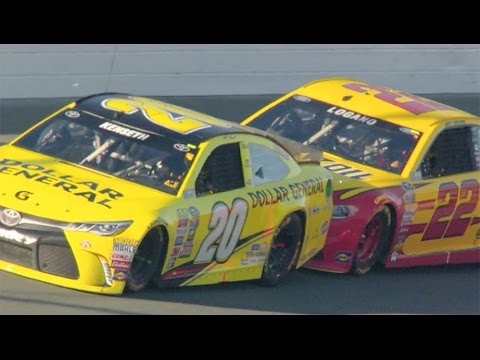
Incorporate micro-narratives into the montage. Even a quick shot of two rival drivers exchanging a look, or a graphic showing the 'win-or-go-home' bracket structure, could have added a layer of specific, compelling drama without sacrificing the pace.
Secondary Issue: Emotional Connection
The Problem:
The emotion is broad (excitement) but not deep. We see drivers' faces, but we don't connect with their personal struggle or triumph. The ad makes you feel the speed, but it doesn't make you root for anyone.
The Solution:
Devote a few more seconds to a single driver's perspective. Show a shot of a driver celebrating with their family or looking defeated after a tough race, connecting the on-track action to a human outcome. This builds empathy and gives the audience someone to cheer for (or against).