#ThankYouforListening | BRAC | Short Film - Ad Analysis

AI Editor notes
Straight from the gut!!
“This is smart. Instead of a preachy, sad film about mental illness, they made it about the solution: connection. It’s warm, real, and gets you right in the feels. Using their own employees is a clever move—it makes the organization itself seem like a supportive family. The twist where they have to call someone is the magic trick that turns it from a talking-head video into something genuinely moving. It feels honest, not like typical advertising.”
Quick Summary
This campaign effectively translates the abstract concept of mental health into a tangible, emotional action: calling a loved one to say thank you for listening. It's not about BRAC's programs; it's about associating the BRAC brand with the profound human need for connection, making the massive NGO feel deeply personal and humane.
Executive Summary
BRAC's '#ThankYouforListening' is a masterclass in turning a corporate social responsibility message into a piece of powerful, human storytelling. It sidesteps the clichés of mental health advertising—the somber music, the melancholic visuals—and instead focuses on a simple, actionable solution: human connection. The film's strength lies in its core insight: that the simple act of listening is a profound form of support, yet one that often goes unacknowledged. The entire creative is built to bring this insight to life in the most authentic way possible.
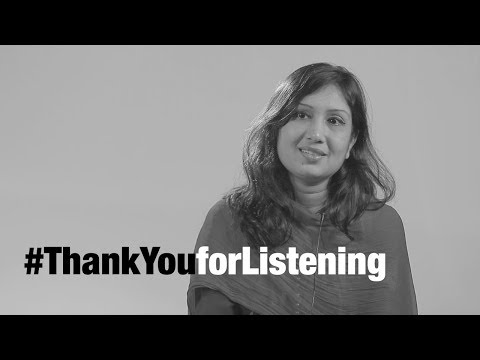
The execution uses a classic Setup-Turn-Payoff structure, handled with documentary-style grace. The setup introduces us to real BRAC employees, grounding the film in the organization's own culture. The interviewer asks a simple question: 'Who is a good listener in your life?' This prompts genuine, unscripted reflections that are relatable to anyone. The 'Turn' is the masterstroke: the simple instruction to 'call and thank them.' This moves the film from reflection to action, generating palpable tension and anticipation. The participants' reactions—surprise, hesitation, smiles—are completely real. The Payoff is a montage of these phone calls. By showing these raw, emotional conversations, the film doesn't just tell us to be grateful for our listeners; it makes us feel the impact of that gratitude in real-time. The tears, the laughter, and the declarations of love are unscripted and incredibly powerful, creating a deep emotional resonance that a scripted ad could never achieve.
The debrief for any brand team watching this is clear: authenticity is your most powerful tool. BRAC trusted that a simple human truth, facilitated by a clever creative device, would be more compelling than any polished commercial. They chose to show, not tell, and in doing so, they associated their brand not with the problem of mental health, but with a beautiful, accessible part of the solution. It’s a smart, emotionally intelligent piece of communication that builds brand love by reminding us of our own humanity.
Theme Keywords
Brand Position
BRAC is the compassionate, human-centered foundation for community and personal growth.
Brand Archetype
Caregiver
Creative Game Plan
We will demonstrate the profound power of listening by capturing the real, unscripted emotional moments when people call to thank their personal saviors.
Diagnosis: Issues & Solutions
Primary Issue: Strategic Sense
The Problem:
The link between the powerful emotional message and BRAC's specific work in the mental health sector is entirely implicit. A viewer could be deeply moved by the film but leave with no understanding of what BRAC actually does to support mental health, potentially missing a key opportunity for engagement.
The Solution:
After the final brand logo, add a simple, non-intrusive text card: 'BRAC's community health workers provide mental health support to thousands across Bangladesh. Learn more at brac.net/mentalhealth.' This connects the emotion to the mission without disrupting the film's purity.
Secondary Issue: Emotional Connection
The Problem:
The stories are touching but general. We don't get a specific anecdote about *why* a person was so grateful for their listener (e.g., 'he listened when I lost my job'), which could have deepened the emotional impact of the subsequent 'thank you' call.
The Solution:
In a future execution, briefly feature one participant's specific story before their phone call. This added context would create a stronger narrative arc for that individual, making their emotional release during the call even more resonant for the audience.