#Likeanimals - ADIRT - Ad Analysis

AI Editor notes
Straight from the gut!!
“This is a gut punch. The nature doc setup is a smart, if not entirely new, misdirection. The slow, calm pacing makes the final 60 seconds of raw, violent footage feel even more brutal. It’s the kind of work that makes you uncomfortable in your chair, which is exactly the point. It’s walking a fine line, though—the animal comparison could backfire if misinterpreted, but the execution is so clear that it lands its intended meaning with force.”
Quick Summary
This film is a classic bait-and-switch that weaponizes empathy. It frames migration as a natural, respectable act of survival by comparing it to the animal kingdom, lulling the viewer into agreement. It then pivots to show the brutal, inhumane reality refugees face, using the jarring contrast to shame the audience. The final line, 'Please treat them #LikeAnimals,' is a powerful indictment of a world that often shows more compassion to wildlife than to fellow human beings.
Executive Summary
This campaign from ADIRT and Memac Ogilvy is a textbook example of using a creative misdirection to deliver a powerful social message. It operates on a simple, yet profoundly uncomfortable, insight and executes it through a classic Setup-Turn-Payoff structure.
The Core Insight: The simple human truth at the heart of this ad is that society often extends more empathy, protection, and legal consideration to migrating animals than to migrating human beings who are fleeing for their lives. Migration is a natural act of survival, yet we condemn it in our own species.
The Execution: The ad’s structure is its greatest strength. It’s a deliberate, two-act play designed to first align the viewer with a premise and then confront them with its shocking inversion.
-
The Setup (0:00-1:02): The first half is a beautifully produced nature documentary. The voiceover is calm and authoritative, the visuals are cinematic, and the language is scientific. We are taught about 'sedentary' versus 'migratory' species. The ad establishes migration as a natural, blameless instinct driven by the need for 'survival.' This section is crucial because it makes the audience nod in agreement. Of course animals migrate. Of course we should protect them. The scene of conservationists caring for a small bird reinforces the idea that this is a noble cause.
-
The Turn (1:02-1:28): The turn is subtle at first. The narrator introduces 'another species... Homo sapiens' while maintaining the same detached, zoological tone. The visuals shift from majestic nature to raw footage of people walking along train tracks and crowded onto boats. This is where the discomfort begins. The clinical description of humans—'bipedal locomotion,' 'cannot fly'—applied to scenes of obvious desperation creates a chilling cognitive dissonance. The ad is now comparing humans to the animals we just saw, but the context has changed from majestic nature to a humanitarian crisis.
-
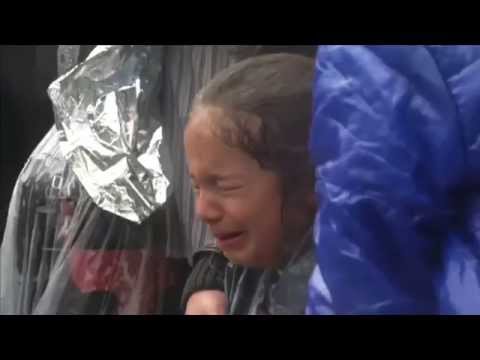
The Payoff (1:28-2:02): The final act is a brutal and direct confrontation. The detached narration continues over increasingly violent and disturbing footage of refugees being met with tear gas, beatings, and hostility. The audio-visual contrast is jarring: the calm voiceover says they are 'not well received' while the images show extreme violence. This culminates in the final, devastating title cards: 'Even though they are human beings, don't beat them. PLEASE TREAT THEM #LIKEANIMALS.' This is the entire point of the campaign, delivered with maximum force. It reframes the hashtag from a potential insult into a plea for basic decency.
The Debrief: The team should learn that a powerful metaphor can be more effective than a direct appeal. By avoiding the typical tropes of sad music and direct pleas for help from the start, the ad builds a more compelling intellectual and emotional argument. The use of real footage, while hard to watch, was essential to ground the metaphor in undeniable reality. This ad isn't just asking for sympathy; it's demanding that viewers confront their own hypocrisy. Its primary success is in creating a sticky, shareable idea that reframes the entire conversation.
Theme Keywords
Brand Position
The rational voice of conscience, using powerful logic to advocate for basic human decency.
Brand Archetype
The Sage / The Caregiver
Creative Game Plan
Expose the absurd hypocrisy of showing more compassion to migrating animals than to migrating humans by framing both with the same detached, scientific language of a nature documentary.
Diagnosis: Issues & Solutions
Primary Issue: Clarity of 'What's Next?'
The Problem:
The ad masterfully builds emotional momentum and moral outrage but fails to provide a clear, tangible outlet for that energy. The call to 'treat them #LikeAnimals' is a powerful attitudinal shift, but it leaves the viewer with nowhere to go. They're convinced, but what should they do now?
The Solution:
After the main hashtag, a final card should have included a simple, actionable URL like 'ADIRT.org/act'. This would channel the viewer's heightened emotional state towards a concrete action, such as signing a petition, learning more, or donating, thereby increasing the campaign's measurable impact.
Secondary Issue: Emotional Connection
The Problem:
The documentary-style framing, while a brilliant strategic device, creates an intellectual distance for the first half of the ad. In a fast-paced social media environment, there's a risk of the audience scrolling past before the critical 'turn' occurs at the one-minute mark.
The Solution:
For shorter social media cuts (e.g., a 30-second version), the structure should be accelerated. Start with a more jarring juxtaposition earlier on, perhaps opening with a quick cut of a protected bird followed immediately by a shot of a struggling refugee, to deliver the core conflict in the first few seconds.