Stigmavir – A Casey House Innovation - Ad Analysis

AI Editor notes
Straight from the gut!!
“This is smart. Really smart. Instead of another somber, preachy PSA, they created a musical parody that's actually fun to watch. Flipping 'I Will Survive' to be from the perspective of a recovering bigot is a clever twist. It's brave and memorable. The only question is whether it reaches the right people—the actual healthcare workers who need this message—or just gets applause from those who already agree.”
Quick Summary
This campaign's power comes from its brilliant Trojan horse strategy. By creating a fake pharmaceutical ad for a pill to 'cure' HIV stigma among healthcare workers, it disarms its target audience and forces them to confront their own prejudice using the very language of their profession. It reframes a social failing as a treatable condition, making a difficult message both palatable and potent.
Executive Summary
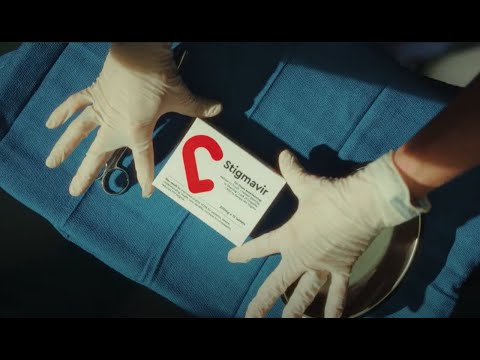
In a category dominated by somber warnings and earnest appeals, Casey House’s 'Stigmavir' campaign is a masterclass in strategic disruption. It tackles the deeply serious issue of HIV stigma within the healthcare community not with a lecture, but with a musical parody. The core insight is potent and uncomfortable: the most significant barrier to effective HIV care is not the virus itself, but the outdated, irrational prejudice of the very professionals tasked with providing that care. [10] Instead of pointing a finger, the campaign offers a 'cure'—a fictional pill called Stigmavir that treats the real disease: stigma.
The execution follows a classic Attention-Interest-Desire-Action (AIDA) model, wrapped in the glossy packaging of a pharmaceutical ad. The first thirty seconds masterfully build Attention by mimicking every trope of the genre: the clinical setting, the concerned patient, and the serious voiceover detailing a medical problem. This familiarity creates an immediate hook. Interest is generated when the problem is defined not as a patient's illness, but as the harmful behaviors of medical staff, and the 'solution,' Stigmavir, is introduced. The pivotal moment, the turn that secures Desire, is the explosion into a rewritten version of Gloria Gaynor’s “I Will Survive.” [11] A surgeon breaks into song, confessing her past fears—"I knew the science, but was scared"—before celebrating her 'cure.' This shift from sterile drama to joyous musical is the ad’s brilliant stroke. It transforms a scolding into a celebration of enlightenment, making the desired change—empathy and education—feel aspirational and joyful. The Action is a call to introspection: "Ask yourself if Stigmavir is right for you," backed by a URL for resources. [2] The product isn't a pill, it’s a new perspective.
The key lesson from this campaign is the power of parody as a vehicle for a difficult message. By adopting the language and aesthetics of its target audience (healthcare professionals familiar with drug ads), it bypasses their defenses. [10] The campaign avoids the pitfall of 'blame and shame,' which could alienate the very people it needs to reach. Instead, it invites them to be part of a positive transformation. 'Stigmavir' demonstrates that to change behavior, you don't always need to be serious; sometimes, you need to be smart, subversive, and brave enough to sing and dance.
Theme Keywords
Brand Position
The leader in compassionate, human-centered HIV care, brave enough to confront the uncomfortable truths within its own industry.
Brand Archetype
The Caregiver (primary) with the disruptive wit of The Jester (secondary).
Creative Game Plan
Reframe HIV stigma as a treatable condition affecting healthcare workers by selling a fake pill that cures it.
Diagnosis: Issues & Solutions
Primary Issue: Strategic Sense
The Problem:
The campaign's primary target is healthcare workers who harbor biases. [4] However, a 2-minute musical film on public social media platforms is more likely to be seen and shared by a self-selecting audience that already agrees with the message, potentially missing the more prejudiced individuals it most needs to influence.
The Solution:
Implement a highly targeted media strategy using shorter, 15- and 30-second cuts of the ad. Place these on professional networks like LinkedIn, in digital medical journals, and through geo-fenced advertising around hospitals and clinics to ensure the message penetrates the intended professional environments. [4]
Secondary Issue: Clarity of "What's Next?"
The Problem:
The call to action, while emotionally resonant, is behaviorally vague. Visiting a website is a low-commitment step, and the campaign doesn't immediately clarify the tangible actions a healthcare provider can take after watching.
The Solution:
Sharpen the final call to action with a more tangible, low-friction next step. Instead of just a URL, prompt viewers to 'Take the 2-minute Stigma Self-Assessment' or 'Download the Stigma-Free Care Toolkit,' providing a clear, immediate action that translates interest into engagement. [4, 5]
Additional Notes
Related Links
Credits
Share this Analysis
More Casey House ad breakdowns
- Big Fucking DealCasey House
- June's documentary trailerCasey House
- Move for Yourself. Move for India. | #FitIndiaFestival | MediBuddyMediBuddy
- SickKids 150: The CountSickKids Foundation
- Learn the secrets to read your skin - The real Fortune TellerPierre Fabre
- The Rarest Stars Shine Brightest—No One Has More Grit Than a Group of Kids with Rare DiseasesMontefiore Einstein
- This place is specialSunnybrook Hospital
- Tu lucha es nuestra luchaOncosalud