Simon Community - 1916 Proclamation - Ad Analysis

AI Editor notes
Straight from the gut!!
“This is a gutsy, uncomfortable, and powerful piece of work. Using the Proclamation is a high-wire act—it could easily come off as cynical or disrespectful. But casting Tommy KD, a man with lived experience, makes it deeply authentic. It's an indictment, not a celebration. It's designed to make the viewer feel a sense of collective shame and it succeeds. This isn't trying to make you feel good about donating; it's trying to make you angry enough to demand change.”
Quick Summary
This ad masterfully weaponizes one of Ireland's most sacred documents, the 1916 Proclamation, to create a jarring and shameful contrast between the nation's founding ideals and the modern-day reality of homelessness. By placing the words of national liberation in the mouth of a man who has experienced life on the streets, and writing them on a sleeping bag, it makes the political issue of homelessness a deeply personal and moral failure for the entire country.
Executive Summary
The Dublin Simon Community’s ‘1916 Proclamation’ is not merely an advertisement; it is a profound piece of political and social commentary. Released to coincide with the centenary of Ireland's 1916 Easter Rising, the ad operates on a simple, yet devastatingly effective, core insight: the promises a nation makes at its birth are the very standard by which it must be judged today. By re-contextualizing the hallowed text of the Proclamation—a document of freedom and equality—into a symbol of modern-day neglect, the campaign holds a mirror up to Irish society and asks if it is living up to its own foundational ideals.
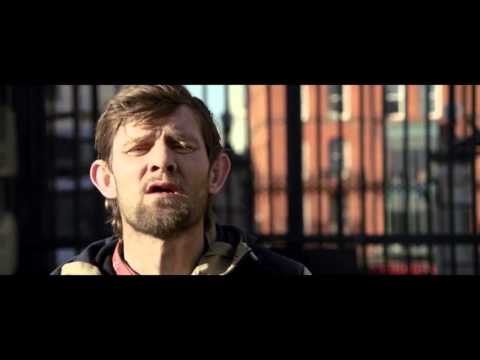
The execution follows a classic Setup-Turn-Payoff structure, amplified by its cultural significance. The setup is immediate and powerful: the title ‘THE PROCLAMATION’ appears over a shot of Dublin’s GPO, the headquarters of the 1916 Rising. This taps into a century of shared national memory and reverence. The ad primes the audience for a patriotic commemoration. The turn is the critical subversion. We don't get a historian or a politician reading the text; we get Tommy KD, an actor and musician whose raw delivery is informed by his own experience with homelessness. He recites the Proclamation’s most aspirational lines—'equal rights and equal opportunities', 'cherishes all the children of the nation equally'—while holding a sleeping bag with those same words printed on it. This juxtaposition is the engine of the ad. The sacred text is pulled from the museum and placed onto the streets, forcing a collision between historical pride and contemporary shame. The sleeping bag becomes a shroud for the nation’s unfulfilled promises. The payoff is stark and accusatory. The final cards, 'IN 2016 NO-ONE SHOULD STILL BE FIGHTING FOR THEIR LIVES ON OUR STREETS' and the hashtag '#ITMUSTEND', transform the historical reflection into an urgent, present-day call to conscience. It reframes the centenary not as a moment for self-congratulation, but for a moral reckoning.
The debrief for the creative team would be one of immense credit. They understood that to cut through the noise of centenary commemorations, they couldn't just join the chorus; they had to challenge it. The choice to use an authentic voice in Tommy KD instead of a polished celebrity was crucial for credibility. The campaign teaches a vital lesson in brand advertising for non-profits: the most powerful position to own is the moral high ground. Instead of simply asking for help, this ad positions the Simon Community as the conscience of the nation, the body holding the country accountable to its own principles. It’s an act of brand building that transcends fundraising, aiming for something much larger: a shift in the national mindset.
Theme Keywords
Brand Position
The Simon Community is the active conscience of the Irish nation, fighting to fulfill the broken promises made to its most vulnerable citizens.
Brand Archetype
The Sage & The Caregiver
Creative Game Plan
Juxtapose Ireland's celebrated founding ideals with the shameful reality of modern homelessness to provoke a national moment of conscience.
Diagnosis: Issues & Solutions
Primary Issue: Clarity of "What's Next?"
The Problem:
The ad generates significant emotional and intellectual energy but provides a relatively weak outlet for it. The call to action is a logo and a hashtag (#itmustend), which relies heavily on the viewer's initiative to translate feeling into action. It's a call to conscience but not a clear call to a specific, immediate step.
The Solution:
Strengthen the final call to action with a simple, memorable URL (e.g., 'Take a stand at Simon.ie') or a more direct textual instruction. This would provide a clear pathway for viewers moved by the message, better converting the powerful emotional response into tangible support, whether through donations, volunteering, or signing a petition.
Secondary Issue: Strategic Sense
The Problem:
The piece is so effective as a piece of social commentary that the role of the Simon Community as the *solution* can feel secondary. The focus is almost entirely on the problem and the government's/society's failure. A viewer might feel anger at the situation without clearly connecting the Simon Community as the primary vehicle for addressing it.
The Solution:
Subtly bridge the gap between the problem and the solution. This could be a minor change in the final tagline, for example: 'The Proclamation promised a home for everyone. We're still fighting to build it. Simon Community.' This frames the organization not just as a critic, but as the active agent striving to fulfill the original promise.