Sexual Violence with the Birds and the Bees - episode 2 - Ad Analysis

AI Editor notes
Straight from the gut!!
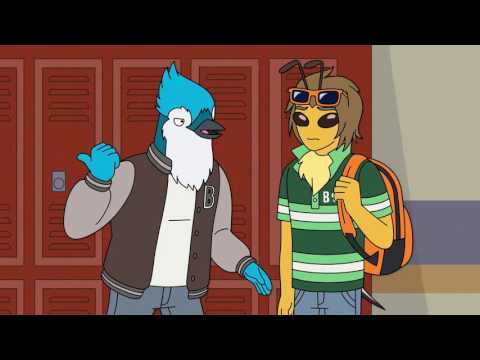
“This is surprisingly direct, and it works. The animation feels a bit like a Cartoon Network show, which is a smart way to keep the target audience from immediately tuning out. Calling the behavior a 'dick move' feels authentic to how teens might talk. It's not preachy. It gives a clear script for what someone can actually say in that situation. Solid work.”
Quick Summary
This PSA effectively uses a familiar animated high-school setting and blunt, teen-centric dialogue to model positive bystander behavior. It successfully shifts the responsibility for preventing sexual harassment from the victim to the perpetrator and, more importantly, their peers.
Executive Summary
This ad from the 'Birds and the Bees' campaign is a smart piece of social engineering that understands its audience. Its effectiveness lies in its core insight: that for young people, peer-to-peer correction is often more powerful than top-down instruction. The campaign avoids the common PSA pitfall of being preachy or out of touch, instead delivering a pragmatic lesson in bystander intervention.
Using a Problem-Solution framework, the execution is direct and efficient. The Problem is established immediately: a character, the bee, makes a sexually objectifying comment online and justifies it with a victim-blaming retort ('Shouldn't post photos like that...'). This is a common and insidious form of casual misogyny. The Solution is not an authority figure, but a peer. The blue jay character confronts his friend directly, labels the behavior ('That's a dick move'), and, crucially, dismantles the flawed logic ('It's not her job to keep you from being a douche'). This dialogue serves as a script for the viewer. The Payoff is swift: the bee, faced with a simple, logical argument from a friend, concedes and deletes the comment. The final line, 'That's right. You didn't think,' reframes the harassing behavior not as edgy or cool, but as simply thoughtless.
The use of animation is a deliberate choice. It creates a slight distance from the harsh reality of the subject, making the message more accessible and less confrontational for a young audience that might otherwise disengage. The style mirrors popular adult animation, lending it a degree of cultural relevance.
For the team that created this, the key lesson is that when targeting youth on social issues, providing practical, repeatable 'scripts' for behavior change is more effective than appealing to abstract morals. The ad doesn't just say 'don't be a bystander'; it shows you exactly how not to be one, using language that feels authentic to the world it depicts. It is a well-crafted tool designed for a specific purpose, and it succeeds on those terms.
Theme Keywords
Brand Position
The practical, no-nonsense resource for youth to actively and effectively combat sexual violence in their own social circles.
Brand Archetype
The Hero
Creative Game Plan
Show, don't just tell, how easy and effective it is to be an active bystander by calling out inappropriate behavior among friends.
Diagnosis: Issues & Solutions
Primary Issue: Emotional Connection
The Problem:
The ad is highly effective as a rational, instructional tool, but it lacks an emotional anchor. We don't see the person who was the target of the comment, which makes the harm feel abstract and academic.
The Solution:
In a future spot, briefly showing the impact on the person being targeted—even a fleeting shot of their hurt expression—could add emotional weight and raise the stakes without derailing the core peer-to-peer interaction.
Secondary Issue: Strategic Sense
The Problem:
The campaign name 'The Birds and the Bees' is traditionally associated with explaining sex to children, not preventing sexual violence. This could create initial confusion about the campaign's intent for those unfamiliar with it.
The Solution:
Future iterations or accompanying media should work to strongly associate the brand name with bystander intervention and consent to cement its new meaning in the public consciousness.