Never Happens – Gained Access :60 | Heatstroke Prevention - Ad Analysis

AI Editor notes
Straight from the gut!!
“This is a smart piece of creative. It avoids the typical PSA pitfall of trying to shock or scare you from the first frame. Instead, it builds a quiet, creeping dread that's far more effective. The 'never' setup is a clever way to earn trust and create self-recognition. You see yourself in these parents, which makes the final pivot to the car feel personal and terrifying. It doesn't preach; it makes you feel the panic of a near-miss, which is a solid way to drive a message home.”
Quick Summary
This ad's power comes from reframing a horrific tragedy as a preventable outcome of everyday, relatable parental imperfection. By getting parents to nod in agreement with the small, harmless 'nevers' they compromise on daily, it dismantles the dangerous belief that 'this could never happen to me,' making the final, non-negotiable safety message feel both urgent and achievable.
Executive Summary
This Public Service Announcement from the Ad Council and NHTSA is a sharp, emotionally intelligent piece of communication that sidesteps the usual tropes of its genre. Instead of leading with fear, it leads with empathy, making its ultimate warning all the more powerful. The work operates on a simple, resonant human truth: good parents are not perfect. They make small compromises on their own ideals every single day. This insight is the foundation of the ad’s effectiveness, allowing it to bypass the viewer's natural defense mechanisms against difficult topics.
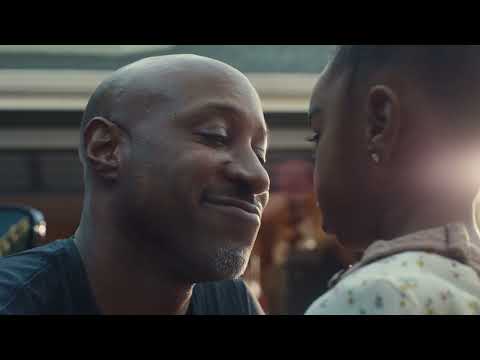
The execution follows a classic Setup-Turn-Payoff structure. The Setup (0:00-0:22) is a montage of relatable parenting moments, where parents break their own 'never' rules—giving in to a tantrum, using a tablet as a babysitter, letting the house get messy. The warm voiceover, gentle piano, and intimate cinematography create a bond with the viewer, a sense of 'we're all in this together.' This initial phase is crucial; it establishes that the ad understands and doesn't judge the realities of parenting. The Turn (0:23-0:45) is both subtle and gut-wrenching. The voiceover delivers the final, critical line, 'And never let them out of our sight,' just as the visual narrative shifts to a potentially tragic scenario. A father, momentarily distracted while cleaning his car, loses sight of his daughter who wanders into the unlocked minivan. The music shifts from nostalgic piano to tense, atmospheric sound, creating a palpable sense of dread. The closing of the car door is the point of no return. The Payoff (0:46-1:01) is the father's moment of sheer panic followed by immense relief as he finds his daughter safe. This emotional release is what cements the lesson. The ad doesn’t need to show the worst-case scenario; the fear of the near-miss is enough. The subsequent on-screen statistic and the 'Stop. Look. Lock.' call-to-action land with immense weight because the viewer has just experienced the emotional stakes.
The debrief for the creative team here is clear: empathy is a more powerful tool than fear, especially when you're trying to change the behavior of an audience that believes 'it could never happen to me.' By first validating the viewer's own experiences with everyday parental compromises, the ad earns the right to deliver its critical, life-saving message. It reframes heatstroke death not as a sign of monstrous negligence, but as a potential consequence of a single, familiar moment of distraction, making the threat feel frighteningly universal and the solution feel essential.
Theme Keywords
Brand Position
The Ad Council and NHTSA are the empathetic, authoritative partners helping good parents navigate unforeseen dangers.
Brand Archetype
Caregiver
Creative Game Plan
We will disarm parents by showing we understand their everyday compromises, in order to convince them that car safety is the one 'never' they can't afford to break.
Diagnosis: Issues & Solutions
Primary Issue: Emotional Connection
The Problem:
The ad's subtlety is its strength, but it could also be a weakness. A viewer who is only half-watching might enjoy the relatable parenting vignettes and miss the critical turn in tone, thereby blunting the impact of the final message.
The Solution:
Sharpen the audio transition. The moment the child climbs into the car could be punctuated by a more distinct sound effect or a brief, jarring moment of total silence to ensure even a distracted viewer's attention is recaptured.
Secondary Issue: Strategic Sense
The Problem:
The ad focuses on the 'gained access' scenario, which accounts for about 26% of hot car deaths. [1] This is a vital and often overlooked aspect, but the more common 'forgotten child' scenario (53%) [1] might be more top-of-mind for parents, potentially causing some to dismiss this specific ad's relevance to them.
The Solution:
This is likely part of a broader campaign with multiple executions. To strengthen this specific spot, a simple text card at the end could say, 'This is one way tragedies happen. Learn more at NHTSA.gov,' to cue viewers that this is one piece of a larger puzzle.
Additional Notes
Related Links
Credits
Share this Analysis
More Ad Council ad breakdowns
- Be Your Own Hero :60 | Type 2 Diabetes Prevention | Ad CouncilAd Council
- Ad Council: Kid's Healthy Mouths - DressingAd Council
- Nia | Finish Your Diploma | Ad CouncilAd Council
- Sexual Violence with the Birds and the Bees - episode 2The Birds and the Bees NS
- Пассажир рулит! / Passenger rules! / 90 secBEZDTP ("Without Road Accidents")