Purple September 2018 - Cystic Fibrosis Awareness Month - Ad Analysis

AI Editor notes
Straight from the gut!!
“This is a solid, if conventional, piece of PSA work. The sad-kid-on-a-swing shots feel a bit like a trope, but the 'puzzle' metaphor is smart and works perfectly for the message. What elevates it from being just another piece of 'sad-vertising' is the reveal that the young actress actually has Cystic Fibrosis. That single fact grounds the entire film in a reality that's impossible to ignore and gives the work genuine weight.”
Quick Summary
This public service announcement effectively uses the central metaphor of a jigsaw puzzle to reframe a list of disparate, easily-ignored medical symptoms as a single, solvable problem: Cystic Fibrosis. By first establishing the emotional isolation of a child suffering from the disease, it creates a powerful incentive for caregivers to connect the dots, making the final reveal of the symptom puzzle both a logical and an emotional payoff.
Executive Summary
In the crowded landscape of public health messaging, simplifying a complex diagnosis into a memorable idea is the primary challenge. This 2018 film for Brazil's Instituto Unidos pela Vida succeeds by building its entire narrative around a single, powerful metaphor: the jigsaw puzzle.
The Core Insight here is that for caregivers, the symptoms of a disease like Cystic Fibrosis don't appear as a neat checklist; they manifest as isolated, often dismissible problems. A chronic cough, difficulty gaining weight, repetitive infections—these are the scattered pieces of a puzzle. The ad intuits that parents might not recognize the pattern unless prompted. It's this failure to connect the dots that the campaign is designed to solve.
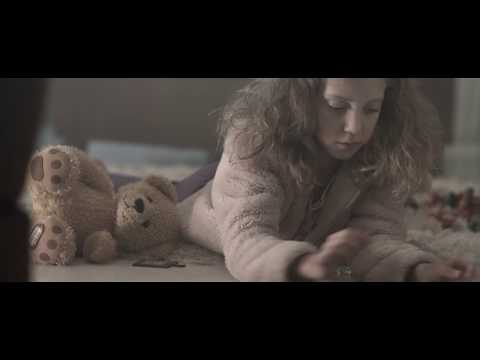
The Execution follows a classic Problem-Solution framework, but it does so with emotional intelligence. For the first 35 seconds, the 'Problem' isn't defined by symptoms, but by their consequence: the profound isolation of a child. We see a young girl, Marina, in a world devoid of vibrancy. She's alone at the window, alone at the breakfast table, alone on the swing. The desaturated visuals and melancholic score create a palpable sense of loneliness. This builds an emotional question—'What is wrong with this child?'—that pulls the viewer in. The 'Solution' arrives with the voiceover at 0:34, which introduces the puzzle concept. The ad then pivots. The family comes together, transforming the act of diagnosis from a clinical, scary event into a collaborative, supportive one. The final overhead shot of the puzzle, with symptoms like 'Tosse Crônica' and 'Suor Salgado' forming the full picture of 'Fibrose Cística,' is the critical payoff. It’s a direct visualization of the core insight, making the complex act of diagnosis feel approachable.
The Debrief for any team watching this is twofold. First, a strong central metaphor can be the most effective tool for communicating complex information. The puzzle works because it's universally understood and perfectly fits the message. Second, authenticity is a creative amplifier. The decision to cast a child who actually has Cystic Fibrosis, and to name her on screen, grounds the ad in undeniable truth. It’s no longer just a story; it’s a testimony, and that credibility is something no amount of production budget can buy.
Theme Keywords
Brand Position
The compassionate partner that empowers families to connect the dots of Cystic Fibrosis and navigate the path forward.
Brand Archetype
Caregiver
Creative Game Plan
Illustrate the lonely world of a child with an undiagnosed illness, then reveal that the confusing symptoms are simply pieces of a puzzle that caregivers can solve.
Diagnosis: Issues & Solutions
Primary Issue: Emotional Connection
The Problem:
While the child's isolation is powerfully established, her parents remain peripheral figures until the final act. Their concern is implied rather than shown, which slightly weakens the emotional arc of the family coming together to solve the problem.
The Solution:
Incorporate a brief, early shot of a parent observing the child with a look of loving concern and confusion. This would establish their emotional stake sooner, making the final scene of them joining her on the floor feel more like the culmination of their shared journey.
Secondary Issue: Strategic Sense
The Problem:
The ad is entirely focused on the problem of diagnosis and stops the moment the puzzle is solved. It misses an opportunity to communicate the hope that comes after diagnosis, which is central to the brand's 'United for Life' name.
The Solution:
Add a final, fleeting shot of the girl sharing a small, genuine smile with her parents after the logo appears. A subtle shift to a warmer color grade in this final moment would powerfully communicate that diagnosis is the beginning of a better, more supported life.