People Like Us presents #NameTheBias - Ad Analysis

AI Editor notes
Straight from the gut!!
“This is how you do a PSA. It’s got a real point of view. The black and white, the brutalist building, the Roy Andersson-style static shots—it all feels deliberate and weighty. The bus metaphor is a little on the nose, but it works. It's uncomfortable to watch, which is the point. This isn't trying to sell you soap; it's trying to make you confront an ugly truth. Solid work.”
Quick Summary
This campaign film transforms a statistic into a powerful human experience. Using a stark, theatrical visual of a bus that repeatedly leaves ethnic minorities behind, paired with a blistering spoken-word performance, it makes the abstract concept of 'name bias' feel like a tangible, systemic injustice, successfully driving home the message that this isn't just about feelings, but about economic opportunity.
Executive Summary
People Like Us’ #NameTheBias campaign is a masterclass in focused, issue-driven advertising. It avoids the common pitfalls of PSAs—preachiness and abstract data—by grounding a national problem in a visceral, human metaphor. The film operates on a single, powerful engine: the idea that a name, a signifier of heritage, can become a barrier that literally leaves you standing on the curb while others move forward.
The Core Insight here is that systemic bias isn't a dramatic, isolated event; it's a mundane, repetitive, and exhausting reality. It's the daily experience of being passed over for opportunities you are qualified for. The campaign cleverly taps into the shared frustration of ethnic minorities who, as research shows, have to work harder just to get in the door. [6] The statistic that people with ethnically diverse names have to send 60% more applications for a callback is the factual backbone, but the ad’s power comes from translating that number into a feeling. [3, 8]
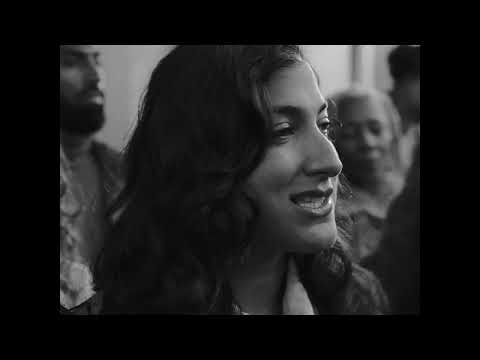
The Execution uses a simple but effective Setup-Turn-Payoff structure, framed within a highly stylized, almost theatrical visual world. The Setup is the bleak, static shot of a diverse group of people waiting for a bus—a universal symbol of journey and progress. The Turn comes when the bus arrives, but only allows white passengers to board before pulling away. This visual punch, repeated for emphasis, is the physical manifestation of the bias described in Yasmin Ali’s spoken-word poem. The poem itself is the film's soul, subverting Shakespeare’s famous line, 'What's in a name?', to argue that in modern Britain, a name is laden with prejudice that has real financial consequences. The Payoff is the final shot: defeated but not broken, the group begins to walk together, as Ali defiantly states, 'My name might mean I'm paid less, but I know I'm worth more.' This ending transforms the narrative from one of victimhood to one of collective resilience and self-worth, perfectly encapsulating the spirit of the organization, 'People Like Us.' The black-and-white cinematography and the influence of director Roy Andersson lend a timeless, serious quality that elevates the film beyond a standard campaign video into a piece of art. [5, 12]
The Debrief for the creative team is that when your message is this strong, you don't need to shout. The quiet, repetitive, and almost absurd nature of the visual execution makes the injustice feel more, not less, powerful. It proves that a single, well-executed metaphor, combined with an authentic, passionate voice, is more effective than a collage of statistics or tearful testimonials. The film's success in being screened at the UK Parliament is a testament to its ability to make a political issue personal and undeniable. [3, 5]
Theme Keywords
Brand Position
The leading advocate for dismantling practical, systemic workplace barriers for ethnically diverse professionals in the UK.
Brand Archetype
The Rebel/Activist
Creative Game Plan
Dramatize the invisible barrier of name bias by creating a stark, unforgettable visual metaphor that makes systemic inequality feel personal and urgent.
Diagnosis: Issues & Solutions
Primary Issue: Clarity of "What's Next?"
The Problem:
The film itself is emotionally powerful but stops short of providing a concrete, immediate action for the average viewer within the ad's runtime. The URL and specific legislative goal are found in the YouTube description but not on the end card, which relies solely on the hashtag and brand logo.
The Solution:
Strengthen the final call-to-action. After the '#NameTheBias' title card, a simple follow-up card with 'Demand mandatory ethnicity pay gap reporting. Visit plu.org.uk to help.' would have channeled the emotional momentum into a direct, measurable action for the audience.
Secondary Issue: Emotional Connection
The Problem:
The highly stylized, almost theatrical aesthetic, while artistically strong, can create a small emotional distance for some viewers. The characters are presented as symbols in a tableau, which slightly mutes their individual humanity in favor of the collective metaphor.
The Solution:
Incorporate one or two brief, intimate close-ups on the faces of the people left at the bus stop, capturing their subtle reactions of disappointment or resignation. This would add a layer of personal, relatable emotion to the powerful but somewhat formal visual style without undermining the overall creative concept.
Additional Notes
Related Links
Credits
Share this Analysis
More People Like Us ad breakdowns
- Ahadi Foundation - The Items (VO)Ahadi Foundation
- Just The Two Of Us | CoorDown | World Down Syndrome Day 2022CoorDown
- STOP VEO – THE WORDS I WON’T SAYStopVEO (Child without Educational Violence)
- AwarePodCanadian Women's Foundation
- Inter-LGBT / The Obstacle CourseInter-LGBT
- #drawaline | UN Women UK | Full FilmUN Women UK
- SOS RACISMO (EN)SOS Racismo
- The Wall #buildsomethingbetterEsperanza Immigrant Rights Project