#drawaline | UN Women UK | Full Film - Ad Analysis

AI Editor notes
Straight from the gut!!
“This is heavy. It's effective, but it's tough to watch. The stark black and white, the direct eye contact, the brutal statistics... it's designed to make you uncomfortable. The celebrity cast is solid, especially getting men like Cumberbatch and Stewart involved. My only question: does the celebrity factor overshadow the core message for some viewers? Or is it the necessary hook to get people to pay attention in the first place? It feels like the latter.”
Quick Summary
This campaign powerfully translates a hashtag into a tangible visual act—drawing a physical orange line—to stop viewer indifference and demand a commitment to ending violence against women. It uses a roster of UK celebrities to deliver stark, uncomfortable facts, making an abstract social issue feel personal, urgent, and undeniable.
Executive Summary
This UN Women UK campaign is a stark and effective piece of communication designed for a specific cultural moment. Its strength lies in its absolute clarity and the simplicity of its central metaphor: to literally 'draw a line' against violence. By stripping the execution down to its essentials—black and white visuals, a single pop of color, and direct-to-camera testimonials—the ad avoids any distraction and forces the viewer to confront the grim reality of the statistics being presented.
The Core Insight here is that societal problems like violence against women persist not because people approve of them, but because they feel disconnected and fail to take a personal stand. The campaign's strategy is to shatter this passivity. The physical act of drawing a line becomes a visual pledge, transforming a vague sentiment ('violence is bad') into a declared, active position. This insight was particularly potent coming in late 2017, as the ad was created to harness the global conversation sparked by the #MeToo movement. [1, 2]
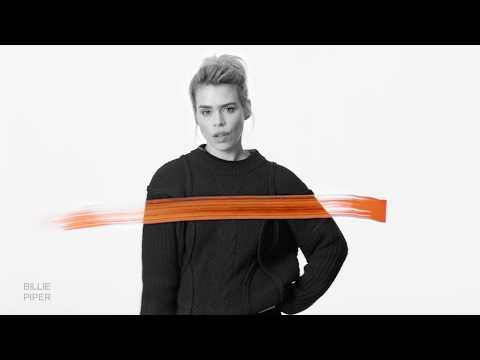
The Execution follows a simple, powerful structure. It opens with the visual hook: the mysterious, silent drawing of a bold orange line. This creates intrigue. The body of the ad consists of a montage of testimonials, providing the 'proof' of why this line must be drawn. Each celebrity delivers a different, shocking statistic or a personal reason, from the number of women killed each week in the UK to the trauma of sexual assault. Including prominent male voices like Benedict Cumberbatch and Alastair Stewart was a critical choice, broadening the responsibility and explicitly stating, 'it's not just a woman's issue.' The final 'ask' is the call to action, urging viewers to join the movement by sharing the hashtag and donating. The campaign doesn't just present a problem; it offers a clear, immediate way to become part of the solution.
The Debrief for the team would highlight the power of a simple, repeatable creative device. The orange line is a brilliant piece of branding—it's symbolic, visually arresting, and directly connected to the hashtag. It's an asset that can be used across social media, print, and outdoor advertising. The casting was also smart, leveraging the trust and reach of a diverse group of public figures to amplify the message. The campaign demonstrates that for social causes, a direct, unflinching emotional appeal, grounded in hard facts, is often more effective than a complex narrative.
Theme Keywords
Brand Position
The definitive authority and action-driver in the fight to end violence against women.
Brand Archetype
Ruler
Creative Game Plan
Use trusted public figures to make the invisible epidemic of violence against women visible and force a public commitment to stop it.
Diagnosis: Issues & Solutions
Primary Issue: Emotional Connection
The Problem:
The ad's relentless, somber tone and shocking statistics are powerful but risk leaving the viewer feeling overwhelmed and helpless. This can be paralyzing and may disincentivize action if the problem feels too large to solve.
The Solution:
Incorporate a single moment of hope or agency at the end. After the call to donate, a brief shot showing a positive outcome—a woman receiving support, a helpline worker answering a call—with a line like 'Your donation draws a line between danger and safety' would provide a tangible sense of the impact of taking action.
Secondary Issue: Clarity of "What's Next?"
The Problem:
The request to 'Share why you #drawaline' is a good engagement tactic but is quite abstract. Many viewers may support the cause but feel unequipped to articulate their reasons, leading to lower participation.
The Solution:
Make participation frictionless. The campaign website should have offered a 'click to share' toolkit with pre-written messages for Twitter and Facebook, or a simple tool to add the orange line filter to a social media profile picture, lowering the barrier to entry for public support.
Additional Notes
Related Links
Credits
Share this Analysis
More UN Women UK ad breakdowns
- Ahadi Foundation - The Items (VO)Ahadi Foundation
- Just The Two Of Us | CoorDown | World Down Syndrome Day 2022CoorDown
- STOP VEO – THE WORDS I WON’T SAYStopVEO (Child without Educational Violence)
- AwarePodCanadian Women's Foundation
- People Like Us presents #NameTheBiasPeople Like Us
- Inter-LGBT / The Obstacle CourseInter-LGBT
- SOS RACISMO (EN)SOS Racismo
- The Wall #buildsomethingbetterEsperanza Immigrant Rights Project