OUR FAVOURITE DUO ARE BACK | MARK & SPENCER - Ad Analysis

AI Editor notes
Straight from the gut!!
“Okay, the 'Mark and Spencer' pun is so on-the-nose it's almost cringey, but you can't deny it's clever. It’s the kind of idea you’d joke about in a brainstorm before dismissing it as too simple, but they actually went and did it. It works because it doesn't take itself too seriously. This isn't a 90-second emotional epic; it's a smart, scrappy social media gag that knows exactly what it is.”
Quick Summary
This campaign's effectiveness comes from its sheer simplicity. By casting two celebrities named Mark and Spencer, the brand created a self-referential pun that was instantly understandable, highly shareable, and uniquely ownable. It bypasses the need for a complex narrative and instead relies on a clever, low-fi cultural reference to generate buzz and directly drive sales for its menswear line.
Executive Summary
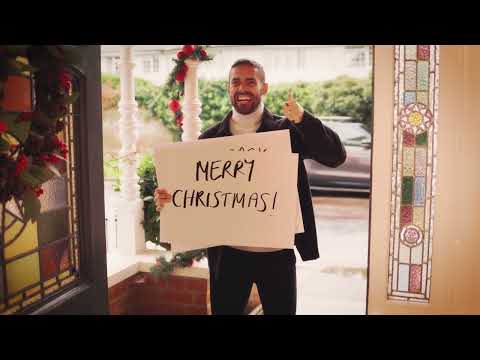
In the crowded, often overwrought landscape of Christmas advertising, Marks & Spencer took a decidedly different approach with its 2024 menswear social campaign. Instead of a sweeping, emotional narrative, the brand opted for a simple, surgically precise idea: a pun. By casting reality TV stars Mark Wright and Spencer Matthews to parody the iconic cue card scene from Love Actually, M&S created a piece of content that was not only humorous but structurally perfect for social media.
The core insight here is that a brand's most powerful asset can sometimes be the most obvious one—in this case, its own name. While competitors spend millions on epic storytelling, M&S found a way to become the story itself. The choice of Love Actually as the vehicle was a smart, calculated risk. The film, released in 2003, sits in a cultural sweet spot for Millennial and Gen X audiences who grew up with it as a Christmas staple. This reference provides an instant mental shortcut for the viewer, borrowing the film's warmth and humor without needing to build it from scratch.
The execution follows a classic Hook-Value-Proof-Ask structure, optimized for a short attention span. The Hook is the immediate visual recognition of the parody within the first three seconds. The Value is delivered through the charm of the celebrities and the humor of the situation, culminating in the punchline on the third cue card: "TO ME, YOU ARE THE MARK TO MY SPENCER." This is the Proof, the moment the entire concept clicks into place and inextricably links the joke to the brand. The Ask is implicit but clear: the two men are stylishly dressed in M&S Autograph menswear, and the festive context positions the brand as the place to shop for holiday outfits. The campaign was a documented success, leading to a 77% sales uplift for one of the featured items.
What the team should learn from this is the immense power of a simple, platform-native idea. This wasn't a repurposed TV spot. It was conceived as a social-first asset, built around a shareable pun and a recognizable cultural moment. It proves that in the right context, a clever idea that generates conversation and clicks can be far more valuable than a high-budget production that aims for broad, passive viewership. It's a solid case study in how to weaponize a brand's ownable assets for performance marketing.
Theme Keywords
Brand Position
The stylish, quality, and surprisingly clever destination for modern British menswear.
Brand Archetype
The Jester (with a touch of The Everyman)
Creative Game Plan
Leverage a perfectly coincidental celebrity name pun to create a simple, unforgettable, and highly shareable social ad.
Diagnosis: Issues & Solutions
Primary Issue: Strategic Sense
The Problem:
The ad's greatest strength—its reliance on a 20-year-old movie reference—is also its potential weakness. The joke lands perfectly with Millennials and Gen X, but it may not resonate as strongly with a younger Gen Z audience who have less attachment to *Love Actually*, potentially limiting the campaign's reach with a key growth demographic.
The Solution:
For future iterations, pair the core 'Mark and Spencer' duo with a trending Gen Z creator or a more current cultural reference. This would allow the campaign to retain its clever central pun while layering in relevance for a younger audience, broadening its appeal without abandoning the effective core concept.
Secondary Issue: Emotional Connection
The Problem:
The ad is a parody, which by nature creates a degree of emotional distance. While humorous and charming, the connection it builds is based on a clever wink to the audience rather than genuine brand warmth. The joke is memorable, but the feeling is fleeting.
The Solution:
In a follow-up piece of content, show a more 'behind-the-scenes' interaction between Mark and Spencer. Let them break character and share a genuine moment of laughter or conversation about what they like about the products. This would add a layer of authenticity on top of the parody, turning the clever characters into relatable people.
Additional Notes
Related Links
Credits
Share this Analysis
More Marks & Spencer ad breakdowns
- M&S: Adventures in which came firstMarks & Spencer
- Marks & Spencer: Adventures in ChristmasMarks & Spencer
- M&S: The art ofMarks & Spencer
- Hackett London: Landing in StyleHackett London
- Celio - Be normalCelio
- Paul Smith | A Suit To Travel InPaul Smith
- Jack & Jones Making the cutJack & Jones
- Being Real Suits You | Blackberrys Wedding CollectionBlackberrys