Built to Heal | Norton West Louisville Hospital - Ad Analysis

AI Editor notes
Straight from the gut!!
“At over nine minutes, this isn't built for a casual scroll; it's a long-form institutional documentary. But honestly? It works because it resists the urge to make the hospital system look like a savior. The decision to lead with urban planning history, life expectancy gaps, and Central High students makes the brand feel accountable and genuinely embedded rather than opportunistic.”
Quick Summary
Norton Healthcare earns hard-to-win community trust not through corporate self-congratulation, but by centering West Louisville residents, educators, and students as the rightful protagonists of their own systemic revitalization.
Executive Summary
The Core Insight: Healthcare delivery in historically disenfranchised urban corridors fails when institutions treat community investment as charity rather than restitution. In West Louisville, where systemic disinvestment created a 12-to-15-year life expectancy gap compared to neighboring zip codes, residents do not want corporate paternalism; they want dignity, local representation, and permanence. The human truth behind 'Built to Heal' is that true healing requires seeing oneself reflected in both the caregivers and the physical walls of the institution.
The Execution: Using YouTube's ABCD framework adapted for long-form brand journalism, director Imani Dennison structures the narrative around local credibility rather than institutional boasting.
-
Attract (0:00–1:30): The film hooks the viewer immediately with drive-by footage of the West End while urban planner Chastity White articulates the childhood realization of systemic inequity. By leading with infrastructural and transportation failures rather than hospital promos, the film hooks the viewer with authentic community perspective.
-
Brand (1:30–3:10): The hospital enters not as an abstract corporate logo, but through Chief Administrative Officer Corenza Townsend, who establishes the stakes: the life expectancy gap and the collective willpower required to build the first full-service facility in the neighborhood in over a century.
-
Connect (3:10–6:30): The piece deepens connection by pivoting away from the hospital building to Central High School. We watch instructor Shantel Reed and pre-med magnet students Jalen Dykes and Zavia Burrell engage with medical coursework. The dialogue underscores workforce development and racial representation in healthcare ('very few people that look like me and her'), linking Norton's presence directly to youth empowerment.
-
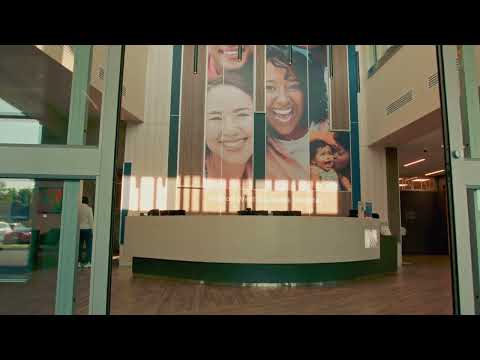
Direct (6:30–9:02): The final act reconciles past hardship with present dignity. Archival photographs of historic Black healthcare workers transition into contemporary footage of patients receiving attentive, respectful care in sunlit exam rooms. Chastity White's closing reflection ('They deserve it all') grounds the payoff before the quiet reveal of the Norton Healthcare and Doe-Anderson title cards.
The Debrief: The primary takeaway for healthcare marketers is that institutional trust cannot be bought with glossy capability reels. When operating in historically neglected markets, brands must cede narrative control to community voices. By treating the community as the visionary and the healthcare system as the partner, Norton builds generational equity that transactional performance campaigns could never achieve.
Theme Keywords
Brand Position
The dedicated community healthcare partner actively dismantling systemic regional health disparities.
Brand Archetype
Caregiver
Creative Game Plan
Center real West End educators, planners, and students to demonstrate that the new hospital is a community-driven achievement rather than top-down corporate philanthropy.
Diagnosis: Issues & Solutions
Primary Issue: Strategic Sense
The Problem:
At nine minutes, the runtime is too long for digital discovery feeds and pre-roll environments without a coordinated modular edit package.
The Solution:
Develop 30-second and 60-second cutdowns focusing individually on the Central High student journey, the CAO's ancestral narrative, and the urban planner's transit insight to drive viewership to the hero film.
Secondary Issue: Clarity of "What's Next?"
The Problem:
The piece concludes without a tangible pathway for community members to engage, find services, or support the education pipeline.
The Solution:
Add an unobtrusive lower-third or end-slate URL directing viewers to community health resources, youth mentorship programs, or career opportunities at the new facility.
Additional Notes
Credits
Share this Analysis
More Norton Healthcare ad breakdowns
- Apollo Hospitals | What are the benefits of COVID-19 Vaccination?Apollo Hospitals
- Big Fucking DealCasey House
- Apollo Hospitals | Covid Vaccine - Can women go for vaccination during or post menstruation?Apollo Hospitals
- Because with you, care goes beyond medicine, thank you, nurses. | International Nurses DayApollo Hospitals
- #PioneersOfHealthcare | Apollo Hospitals | Celebrating 39th Anniversary of Apollo HospitalsApollo Hospitals
- Welcome to Emplify HealthEmplify Health
- HonorHealth | Inner UniverseHonorHealth
- Fortis Hospitals Mumbai Asks: “Helmet Pehna Kya?” This World Brain Day, Think Again!Fortis Healthcare