Fortis Hospitals Mumbai Asks: “Helmet Pehna Kya?” This World Brain Day, Think Again! - Ad Analysis

AI Editor notes
Straight from the gut!!
“It's a smart, low-cost PR stunt turned into a social video. The visual is sticky and easy to get. But it feels more like a case study of an event than a piece of creative in its own right. It tells me what they did, which is clever, but it doesn't make me *feel* anything about the brand. It's all head, no heart. I'm left thinking, 'Neat idea,' but not, 'I trust Fortis with my family's health.'”
Quick Summary
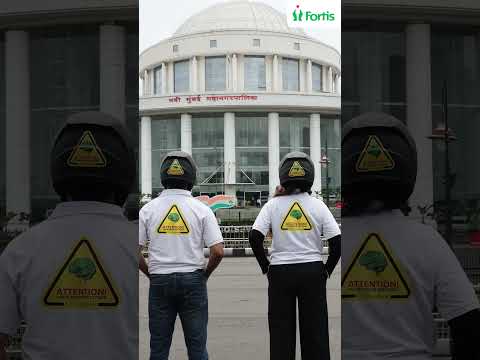
Fortis Hospitals transformed a simple safety helmet into a powerful symbol for proactive brain health. By placing helmeted volunteers in absurdly mundane locations across Mumbai, they created a disruptive, shareable social media campaign that cleverly hijacks a common question—"Helmet Pehna Kya?"—to start a much broader and more important conversation, positioning Fortis as a forward-thinking leader in community wellness.
Executive Summary
This campaign from Fortis Healthcare is a textbook example of modern, social-first thinking. It's built on a simple, disruptive idea designed for eyeballs and shares. The core strategy is not to tell a story in a film, but to create a story in the real world and then document it.
The Core Insight: The foundational insight is sharp: people compartmentalize 'safety.' A helmet is for a motorcycle, a seatbelt is for a car. We don't have a universal symbol or daily ritual for protecting our overall brain health from subtler threats like stress, poor diet, or lack of preventative check-ups. [5, 6] The campaign seizes on this mental blind spot. By taking the helmet out of its expected context, Fortis forces a public re-evaluation of what 'brain protection' really means.
The Execution: The ad functions as a sizzle reel of a guerilla marketing activation. It follows a simple Hook-Value-Proof structure. The Hook is immediate and visual: people in helmets doing everyday things. It's a question mark that demands an answer. The Value is delivered through the on-screen text, explaining the stunt's purpose and reframing the helmet as a metaphor for everyday brain health. The Proof is the montage itself—showing the activation across the length and breadth of Mumbai establishes this not as a small stunt, but as a city-wide initiative owned by Fortis. The relentless, energetic editing and percussive soundtrack mirror the pace of city life, making the message feel urgent and relevant to the urban audience.
The Debrief: The key takeaway for the brand team is the power of a simple, 'low-fi' idea executed at scale. In a world of high-gloss, emotional healthcare advertising, this stands out by being tactical and clever. It demonstrates that you don't always need a multi-million dollar production to make a point. A smart, observable action can generate significant talk value. The success here lies in creating an image so simple and sticky that it becomes the message itself. This is how a brand can effectively 'own' a conversation around a health day like World Brain Day, moving beyond a simple social media post into a tangible, memorable public statement.
Theme Keywords
Brand Position
The proactive and socially-conscious healthcare partner for modern India.
Brand Archetype
Caregiver
Creative Game Plan
Create a thought-provoking public spectacle by placing a familiar object in an unfamiliar context to symbolize the need for everyday brain health.
Diagnosis: Issues & Solutions
Primary Issue: Clarity of "What's Next?"
The Problem:
The campaign is excellent at starting a conversation but poor at directing it. Viewers are prompted to think about brain health but are given no clear, actionable next step. This leaves valuable engagement potential on the table.
The Solution:
Incorporate a simple URL or QR code in the final frame leading to a dedicated landing page. This page could offer a 'Brain Health Score' quiz, downloadable tips for mental wellness, or information on Fortis's neurology departments, converting passive awareness into active engagement.
Secondary Issue: Emotional Connection
The Problem:
The ad documents a stunt, keeping the audience at an analytical distance. By focusing on the 'what' (the activation) instead of the 'why' (the human stories behind brain health issues), it misses an opportunity to forge a deeper, more lasting emotional bond with the audience.
The Solution:
Create a companion piece of content that features a short interview with one of the volunteers or a Fortis neurologist, explaining the personal or professional motivation behind the campaign. A 15-second personal story would add a layer of humanity that the current montage lacks.
Additional Notes
Related Links
Credits
Share this Analysis
More Fortis Healthcare ad breakdowns
- Apollo Hospitals | What are the benefits of COVID-19 Vaccination?Apollo Hospitals
- Big Fucking DealCasey House
- Apollo Hospitals | Covid Vaccine - Can women go for vaccination during or post menstruation?Apollo Hospitals
- Because with you, care goes beyond medicine, thank you, nurses. | International Nurses DayApollo Hospitals
- #PioneersOfHealthcare | Apollo Hospitals | Celebrating 39th Anniversary of Apollo HospitalsApollo Hospitals
- Welcome to Emplify HealthEmplify Health
- HonorHealth | Inner UniverseHonorHealth
- #OutProudandWell Who You Are Is Who We Serve | UCLA Health LGBTQ InitiativeUCLA Health