Google + Team USA — Dear Sydney - Ad Analysis

AI Editor notes
Straight from the gut!!
“I see what they were trying to do here. The setup is solid—a classic Olympic story of inspiration. But the turn to Gemini is a record-scratch moment. Why would a father outsource a bonding moment with his daughter? It feels like a solution in search of a problem and fundamentally misunderstands why people cherish these moments. It’s a classic case of tech-for-tech’s-sake thinking that ends up feeling hollow, and the public backlash was completely predictable. [2, 7, 12]”
Quick Summary
Google made an emotionally resonant ad about aspiration that completely fumbled the product integration. By using its AI to write a child's fan letter—a deeply personal act—it misread the cultural moment around AI, positioning Gemini not as a helpful tool but as a substitute for human connection and creativity, which ultimately backfired and forced them to pull the ad. [3, 4, 5, 9]
Executive Summary
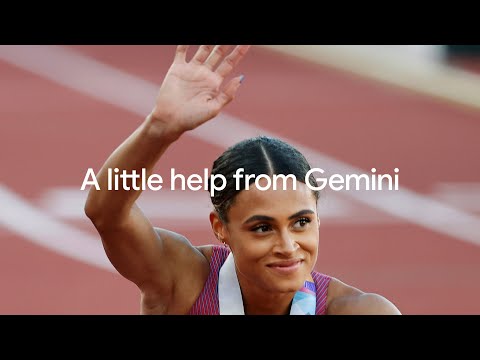
Google's 'Dear Sydney' is a textbook example of how a strategically sound foundation can be completely demolished by a single, tone-deaf execution. The ad starts with all the right ingredients for a classic Olympic tear-jerker: a loving father, an ambitious daughter, and an inspirational hero in Sydney McLaughlin-Levrone. It effectively uses a User-Generated Content style to create a feeling of authenticity and warmth, drawing the viewer into a relatable family story. The core insight—that the next generation finds its heroes and dreams bigger than the last—is powerful and perfectly suited for a Team USA sponsorship. The problem arises when Google introduces its product, Gemini, not as a tool to enable the girl's dream, but to articulate it for her.
The execution follows a simple Setup-Turn-Payoff structure. The Setup establishes the emotional bond between the father and daughter and her burgeoning passion for running. The Turn occurs when her inspiration shifts from her dad to Sydney McLaughlin-Levrone, setting up a clear goal. This is where the ad derails. Instead of showing the father and daughter researching training techniques together or bonding over writing the letter, the father turns to Gemini. The Payoff is meant to be the powerful letter and the girl's continued training, now fueled by 'a little help from Gemini.' But the real payoff for the viewer is a feeling of unease. The ad presents AI as a shortcut for emotional labor. The father, who claims to be 'good with words,' outsources the task because it 'has to be just right.' This implies that a machine's output is superior to a genuine, imperfect message from a child. It strips the very 'humanness' from the story it worked so hard to build. [4]
The debrief on this project should be a stark lesson in product demonstration. In its effort to find a use case for Gemini, Google chose one that crosses a cultural line. While AI can be a powerful tool for summarizing information or sparking ideas (as shown briefly with the 'hurdle technique' search), using it to author a personal expression of admiration is, for many, a step too far. [7, 12] The public reaction, which led to the ad being pulled, confirms this misstep. [9, 11] The campaign failed to understand that in stories about human achievement and connection, the process—the struggle, the effort, the imperfect expression—is just as important as the outcome.
Theme Keywords
Brand Position
Google Gemini is the helpful, accessible AI assistant that seamlessly integrates into your life to help you turn inspiration into action.
Brand Archetype
The Sage / The Caregiver
Creative Game Plan
Show how Google's AI can help everyday people achieve their biggest dreams.
Diagnosis: Issues & Solutions
Primary Issue: Emotional Connection
The Problem:
The ad's greatest pitfall was breaking the emotional connection it built by inserting technology in a place where human effort is most valued. Having a father use AI to write a fan letter *for* his daughter, rather than *with* her, felt impersonal and undermined the authenticity of their bond and her admiration.
The Solution:
Revise the script to show the father and daughter using Gemini together as a creative partner. For example, they could ask Gemini, 'What are some powerful words to describe an inspiring athlete?' and then be shown joyfully writing the letter together, incorporating some of the suggestions into their own words.
Secondary Issue: Strategic Sense
The Problem:
The strategy showcased a fundamental misunderstanding of the current public sentiment towards generative AI, which is fraught with anxiety about it replacing human creativity. This ad validated those fears instead of assuaging them.
The Solution:
The product demonstration should have focused on a less emotionally charged, more practical use case. For instance, the ad could have leaned more heavily into the father using Gemini to create a complex training and nutrition plan for his daughter, showing AI as an empowering tool for learning and support, not a substitute for expression.
Additional Notes
Related Links
Credits
Share this Analysis
More Google ad breakdowns
- Veo3 Launches in IndiaGoogle
- Introducing Gangoogly, Sourav Gangoogly 😉Google
- Make Everyday Easier With GeminiGoogle
- Google x Baker Boy | Helping you help othersGoogle
- Google Impact Challenge | UK 2013 - A better world, fasterGoogle
- Move On Dengan Bantuan GoogleGoogle
- Project Relate | Google for India 2022Google
- Suaramu Inspirasi Mereka #SelamatHariKartiniGoogle